


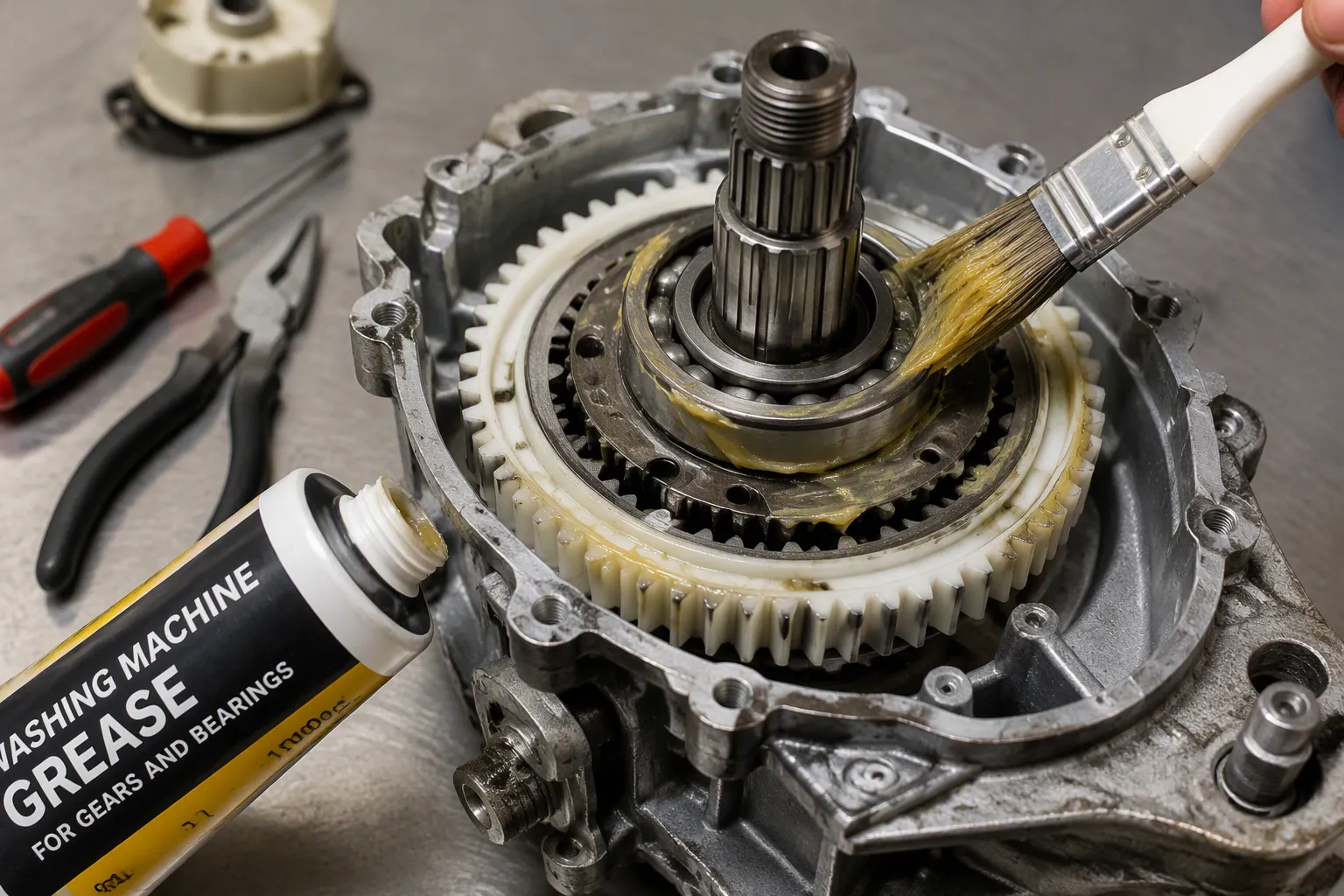
You need a high-quality appliance grease for the clutch and gearbox. Choose a lithium-based grease that resists water and heat. Some gear cases call for special oil instead, so check yours first.
Here are three top picks for washing machine clutch gearbox grease. A heavy-duty gearbox grease handles high-load gears and older transmissions. A plastic-safe clutch grease keeps clutch parts engaging smoothly. A water-resistant seal and bearing grease protects damp seal areas.
This guide serves DIY homeowners and repair enthusiasts. You get the right grease type for each assembly plus three vetted picks you can trust for a smooth repair.
Key Takeaways
Choose a lithium-based grease that resists water and heat for most washing machine clutch and gearbox repairs.
Match the grease to the part: heavy-duty for gears, plastic-safe for clutches, and water-resistant for seals and bearings.
Check if your gear case holds oil instead of grease. Fix any leaks before adding new lubricant.
Clean off old grease before applying new grease. Apply a thin, even coat to avoid attracting dirt.
Use the right amount: a little grease goes a long way for smooth operation and long-lasting parts.
Washing Machine Clutch Gearbox Grease: Key Requirements
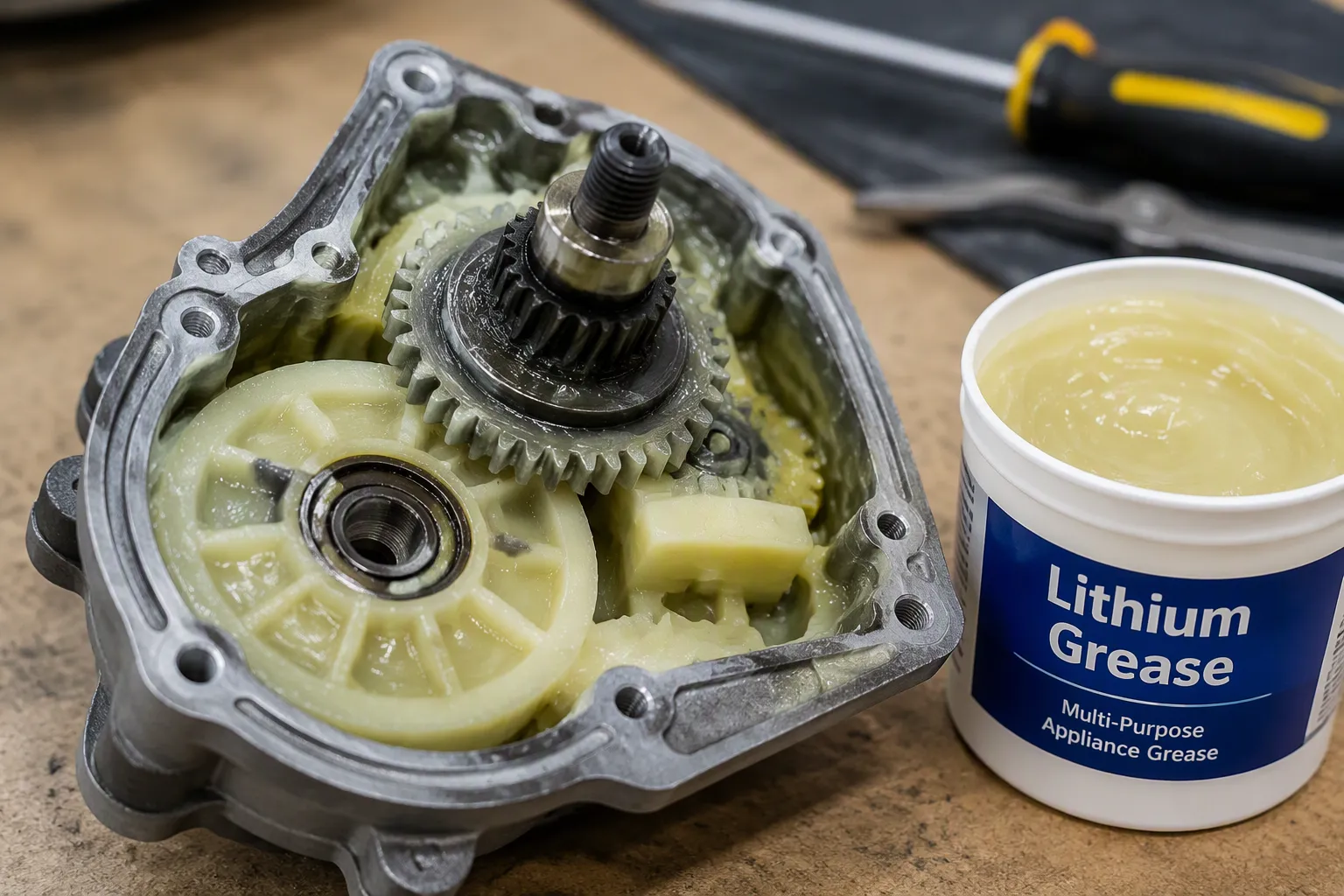
You cannot grab any grease off the shelf and call it done. A washer clutch and gearbox demand a grease built for the job. Appliance-grade grease is your baseline. Lithium-based grease is the common choice here. It resists water and heat, two forces that never stop inside a washing machine. The right washing machine clutch gearbox grease holds its body under load and keeps parts moving freely.
Heat, Water, and Load Resistance
A washer runs hot cycles, cold rinses, and constant vibration. Grease must survive all three. Heat thins a poor grease until it drips away from the gears. Water washes a weak grease out of the clutch housing. Load crushes a soft grease until metal grinds on metal. A quality lithium-based grease fights each problem at once. It clings to the gear teeth, sheds moisture, and keeps a protective film at working temperatures.
Now check what your gear case actually holds. Some washing machine gear cases contain special oil, not grease. This distinction matters before you open anything. External grease or oil around the case usually signals an internal leak. A failed seal lets the internal lubricant escape. Adding fresh grease on top hides the symptom and leaves the real fault in place.
Check the case for oil or grease before you regrease. If lubricant sits on the outside, fix the leak first.
Plastic and Metal Compatibility
Your clutch assembly mixes materials. Plastic clutch parts sit close to metal gears. Some greases attack plastic and cause it to swell, crack, or soften. Others react badly with certain metals. The wrong washing machine clutch gearbox grease can destroy the very parts you meant to protect. Choose a grease rated safe for both plastic and metal contact.
Consistency matters just as much. The grease must stay thick enough to stay put on the gear arm and clutch surfaces. It must also flow thin enough to work into the assembly gaps. A grease that sits like putty never reaches the bearing surfaces. A grease that runs like water leaves them bare. Medium-body grease strikes that balance. It holds position on vertical surfaces and still spreads under pressure.
Match the grease to the assembly, and the repair lasts. Skip these checks, and you repeat the job in a few months.
Pick 1: Heavy-Duty Gearbox Grease

Performance and Fit
Start with a grease built for loaded metal gears. Instrument Grease 794A is a clay-thickened, medium-viscosity grease with a PAO and ester base oil blend. It handles high-load, low-speed metal gearing and holds up across a wide temperature range. That range runs from -20 to 150°C, so the grease keeps working through hot wash cycles and cold rinse water alike. It also offers good water resistance, a must inside a damp washer cabinet.
Property | Value |
|---|---|
Chemistry | PAO / Ester / Clay |
Temperature range | -20 to 150°C |
NLGI grade | 2 |
Kinematic viscosity (40°C) | |
Oil separation (24 hrs @ 100°C) | |
Evaporation (24 hrs @ 100°C) | 0.94% |
SRV OK load | 350 N |
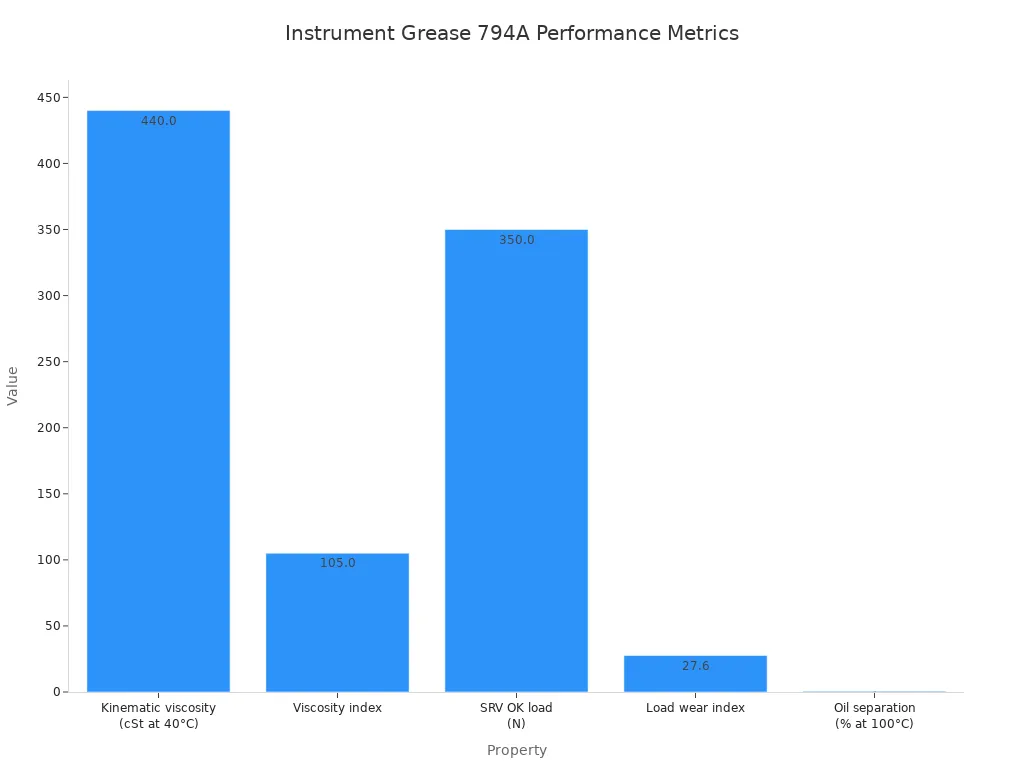
This grease earned its place in real hardware. A washing machine maker tested it independently and then chose it to lubricate the gears inside a top-loading machine. The low oil separation figure shows the grease stays put instead of bleeding oil onto the housing. For a loaded gearbox, that stability protects the gear teeth over the long run.
Vintage washer transmissions deserve a mention too. John Deere corn head grease sits thicker than oil and thinner than standard grease. It flows back into the gear path after the gears push it aside. That self-healing behavior suits older boxes with worn clearances.
Cost and Best Use
Expect to pay a premium for a specialty appliance grease like this one. Availability runs through industrial lubricant suppliers rather than the average hardware aisle. The price buys proven load capacity and a documented track record in washing machine gearboxes.
This pick fits high-load gearbox applications best. Reach for it when your washing machine clutch gearbox grease needs to survive heavy gear pressure and wide temperature swings. The other picks serve clutch parts and seal areas well. This one owns the loaded gear case.
Pick 2: Plastic-Safe Clutch Grease
Performance and Fit
Clutch assemblies punish the wrong lubricant. Plastic parts sit right next to metal surfaces, and a harsh grease can soften or crack them over time. A silicone-based or appliance-grade grease solves this problem. It stays compatible with plastic clutch components and metal alike. The grease keeps a stable film on the gear arm and clutch surfaces, so the clutch engages smoothly instead of grabbing or slipping. Parts last longer too, because friction stays low and the grease does not dry into a sticky paste.
Clean the gear arm before you apply new grease. Old grease traps grit and hardens into a crust that blocks fresh lubricant from reaching the contact surfaces. Wipe the arm down with a clean cloth until the surface looks bare. This step matters most on older Kenmore or Maytag clutch assemblies, where years of use leave a thick layer behind. Apply the new grease sparingly after cleaning. A thin, even coat does the job. Excess grease attracts dust and can fling onto nearby parts.
Cost and Best Use
Plastic-safe clutch grease sits in the middle of the price range. It costs more than a basic general-purpose grease and less than a specialty high-load product. Hardware stores and appliance parts suppliers usually stock it, so you rarely need to hunt for it.
This pick fits clutch assemblies and any repair that touches plastic components. Reach for it when you replace a clutch or service the gear arm. The heavy-duty gearbox grease covers loaded metal gears, and the water-resistant grease handles seal areas. This one protects the plastic-to-metal contact points that a general grease would slowly damage. Keep a tube on hand for routine clutch work, and the assembly stays smooth through many cycles.
Pick 3: Water-Resistant Seal and Bearing Grease
Performance and Fit
Water finds a way into every washer cabinet. Steam, splashes, and damp air attack seal areas all cycle long. A water-resistant grease holds its film when moisture shows up. It sheds water instead of absorbing it, so the lubricant stays on the seal surfaces where you put it.
Seal work calls for a careful hand. Apply quality grease between the top seals on the center post. Do the same at the agitator seals. These points see constant water exposure, and a grease that washes away leaves the seals dry and dragging. Use turbine oil between the top bearings and the second bearing. Oil reaches those tight clearances better than grease does, and the bearings spin freely as a result.
Water resistance matters most in this damp interior. A general grease can emulsify when water mixes in. The grease turns milky and loses its body. A water-resistant product resists that breakdown and keeps protecting the metal underneath. This pick complements the gearbox grease nicely. The heavy-duty grease guards loaded gears inside the case. This one guards the seals and bearings on the wet side of the assembly. Together they cover the whole machine.
Cost and Best Use
Water-resistant seal and bearing grease sits in the affordable range. Most hardware stores and appliance parts suppliers carry it, and a small tub lasts through many repairs. You pay a modest price for solid moisture protection.
This pick fits seal areas and bearing points best. Reach for it whenever you service the center post, the agitator seals, or the bearings. The plastic-safe grease covers clutch parts, and the heavy-duty grease handles the loaded gear case. This one keeps water out of the spots that need it most. Keep a tub in your toolbox, and your washing machine clutch gearbox grease job stays complete from gears to seals.
Match the grease to the assembly, and your washing machine clutch gearbox grease job goes smoothly. Heavy-duty lithium-complex grease suits loaded gearboxes. Plastic-safe grease suits clutch parts. Water-resistant grease suits seals and bearings.
Heavy-duty gearbox grease: best for high-load gears and older transmissions.
Plastic-safe clutch grease: best for clutch assemblies and plastic parts.
Water-resistant seal and bearing grease: best for damp seal and bearing areas.
All three are solid choices. Each one fits a different repair. Before you start, check whether the gear case holds oil or grease. Clean off the old grease. Apply the new grease sparingly for a smooth repair.
FAQ
Can you use regular automotive grease in a washer gearbox?
Skip it. Automotive grease may not resist water and heat the way an appliance-grade lithium-based grease does. It can also harm plastic clutch parts. Match the lubricant to the assembly instead.
How do you know if your gear case holds oil instead of grease?
Look for lubricant on the outside of the case. Oil or grease there usually means an internal seal has failed. Fix that leak before you add anything. Some gear cases take special oil, so confirm the fill type first.
How much grease should you apply to the clutch?
Apply it sparingly. A thin, even coat on the gear arm covers the contact surfaces. Extra grease attracts grit and can fling onto nearby parts. Wipe off the old grease first so the fresh coat reaches bare surfaces.
Why does the clutch need a different grease than the gearbox?
The clutch mixes plastic and metal parts. A general grease can soften or crack plastic over time. A plastic-safe grease keeps engagement smooth and protects both materials. The gearbox grease handles loaded metal gears instead.
Do you grease the seals and bearings the same way?
No. Pack quality grease between the top seals on the center post and at the agitator seals. Use turbine oil between the top bearings and the second bearing. Oil reaches those tight clearances better than grease does.
See Also
Essential Guide to Grease for Harmonic Drive Reducers
Boosting Automotive Reliability Using FAKKT-GC874K Synthetic Grease: Technical Bulletin
Modern Automotive Challenges Solved by FAKKT Grease Solutions
Underrated Silicone Oils Are Your Plastic Parts’ Best Friend
Key Factors That Make High-Performance Industrial Grease Exceptional