


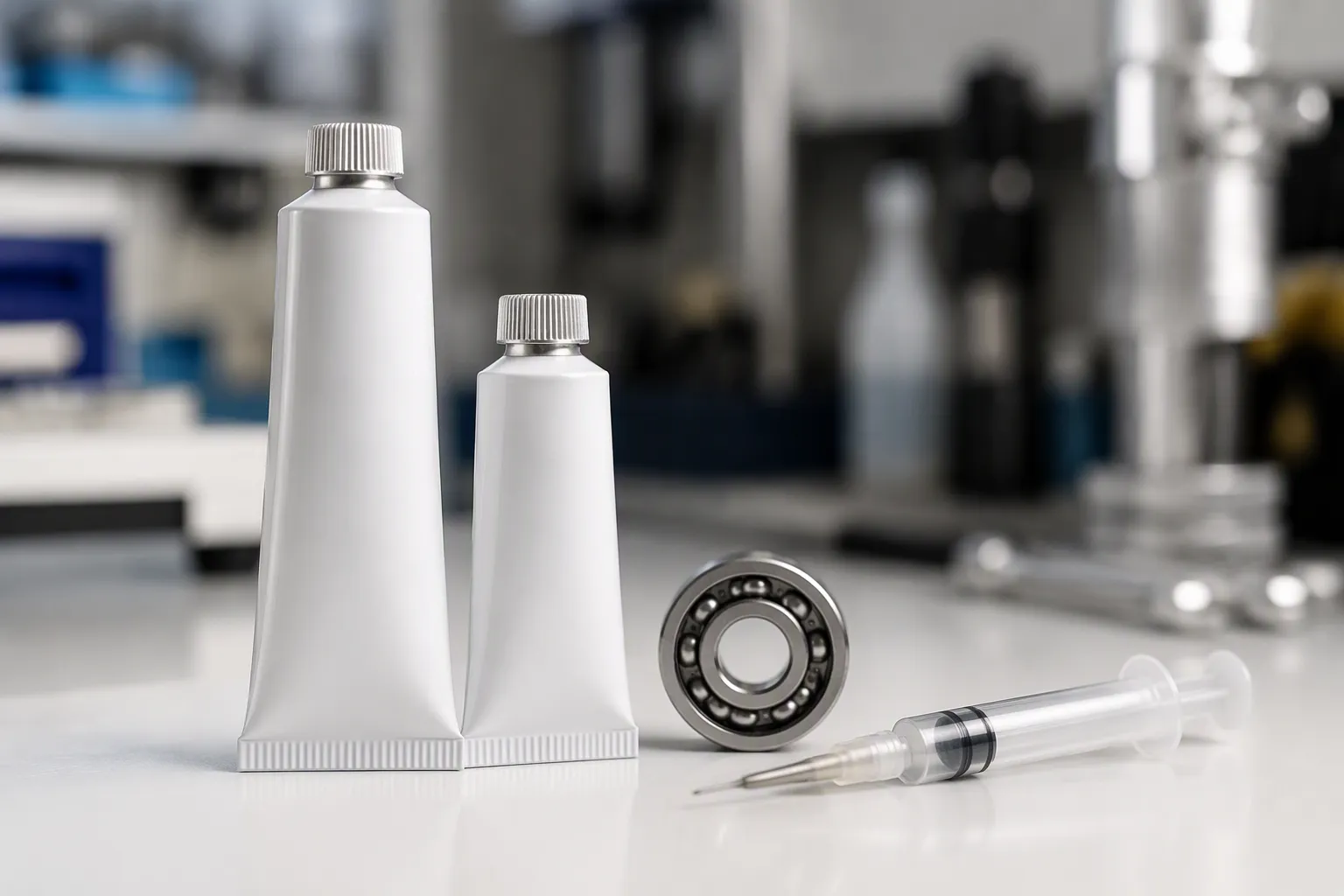
Fluorosilicone grease gives excellent chemical resistance and stays stable at high temperatures. Standard silicone grease is still the flexible, low-cost choice for everyday jobs. Buyers often mix up silicon, the semiconductor element, with silicone, the lubricant base. Silicon grease is not a real product, and suppliers do not sell it. What is the fluorosilicone grease and why it is important deserves a clear answer, because the two greases solve different problems. Fluorosilicone oil now draws growing interest in fuel and aerospace systems. This comparison looks at chemical resistance, temperature range, lubricity, compatibility, applications, and cost, so readers can match the grease to their setting.
Key Takeaways
Fluorosilicone grease stands up to fuels, solvents, and very hot or cold temperatures, making it ideal for aerospace and chemical plants.
Silicone grease does not cost much and works well for daily jobs like plumbing, electrical work, and food-safe uses.
Silicone grease makes silicone O-rings swell up and causes the seals to fail, but fluorosilicone grease keeps those seals safe.
Fluorosilicone grease costs more, so only use it in places with harsh chemicals or extreme temperatures.
Choose the right grease for the job: use fluorosilicone for tough conditions and silicone for normal use.
What Is Fluorosilicone Grease and Why It Matters
Fluorosilicone Defined
Fluorosilicone grease is a lubricant made from silicone base oil with fluorine atoms built into its molecules. A filler thickens the base oil into a paste, creating a grease that fights chemicals and heat much better than normal silicone products. The main chemical step is easy to explain: fluorine is added to the silicone polymer backbone, and that one change transforms how the material performs.
This change explains what is the fluorosilicone grease and why it is important for tough environments. The fluorine atoms protect the polymer chain from fuels, solvents, and harsh fluids that would attack it. A standard silicone grease does not have this shield, so it breaks down fast when exposed to those same substances. Engineers working with fuel systems or chemical processing equipment treat fluorosilicone as its own category, not as a better silicone.
Why It Outperforms in Harsh Conditions
Fluorosilicone grease brings two useful properties together in one product. It keeps the wide temperature stability of a silicone lubricant and adds the chemical resistance of a fluorocarbon. This dual nature makes fluorosilicone helpful where heat and chemical exposure happen at the same time. Aerospace and automotive fuel systems are two clear examples, and research interest in fluorosilicone oil keeps growing in these fields.
The material also fixes a common seal problem. Standard silicone grease swells silicone O-rings, and that swelling can cause seal failure over time. Fluorosilicone grease does not swell silicone O-rings, so it protects the seal instead of harming it. This compatibility matters for anyone who services equipment with silicone seals. A technician who understands what is the fluorosilicone grease and why it is important will grab it whenever fuels, solvents, or silicone O-rings show up in the same assembly.
Major Differences in Chemical Resistance
Fluorosilicone vs. Fuels and Solvents
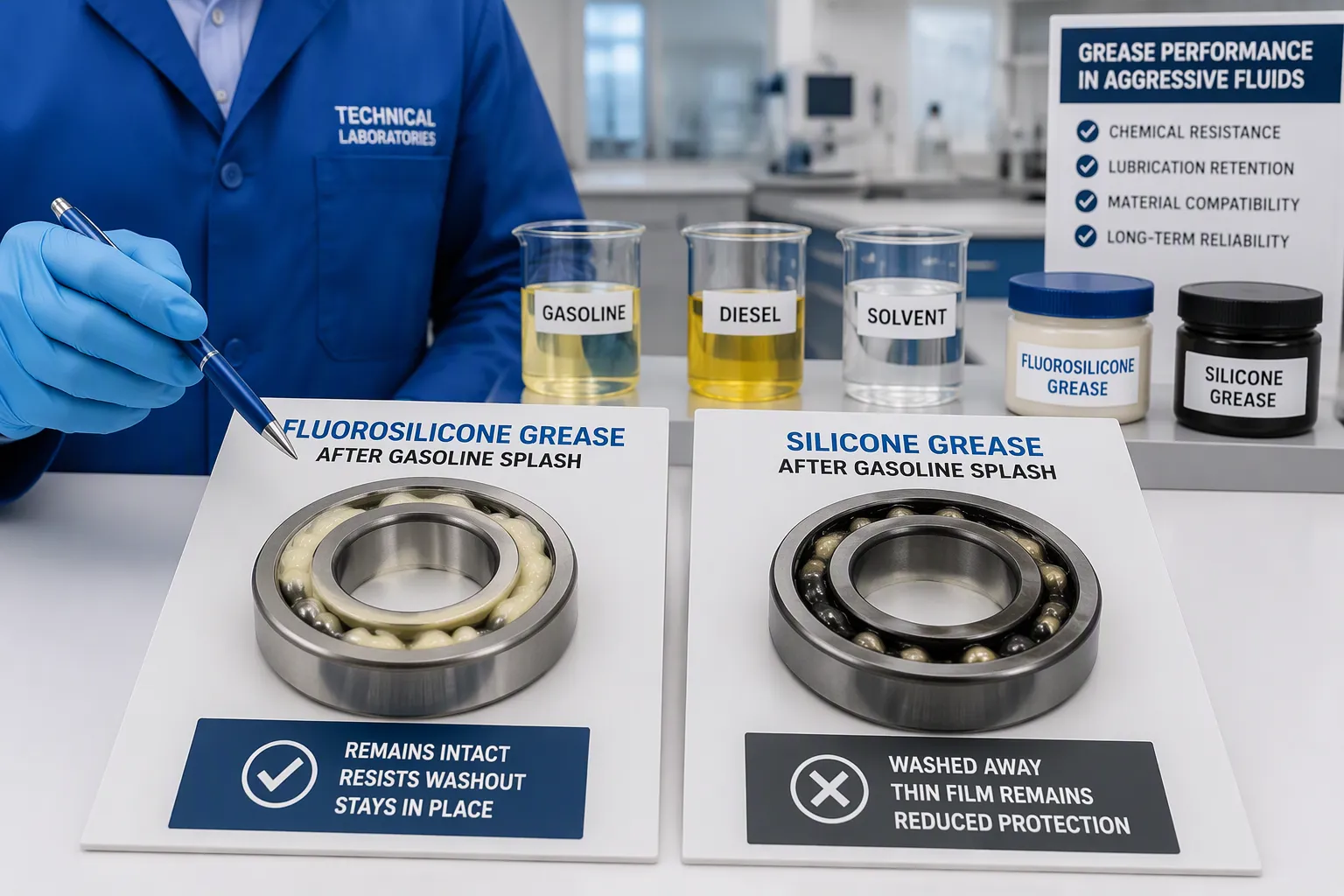
Fluorosilicone grease holds up against fuels, solvents, and aggressive fluids that destroy ordinary lubricants. The fluorine atoms in its polymer chain create a protective shield. This shield blocks chemical attack at the molecular level. Gasoline, diesel, jet fuel, and hydraulic fluids cannot easily break the polymer bonds. A technician who understands what is the fluorosilicone grease and why it is important will recognize this protection immediately. The material shows strong resistance to fuel, and it maintains that resistance to fuels, oils, and harsh chemicals over long service intervals.
Research into fluorosilicone oil continues to expand, and newer formulations keep improving its chemical compatibility properties. Aerospace fuel systems and chemical processing plants rely on this grease because it does not wash away when exposed to solvents. The resistance to fuel alone justifies the cost in many military and aviation applications. Fluorosilicone vs. silicone becomes a clear choice when the operating environment includes any petroleum-based fluid. One major differences point stands out: fluorosilicone absorbs almost no fuel, while other greases swell and lose structure.
Silicone’s Chemical Limits
Standard silicone grease tells a different story. It performs well in water and mild conditions, but it has serious weaknesses against organic solvents and fuels. The differences between silicone and fluorosilicone become obvious the moment fuel touches the surface. Silicone grease breaks down, washes away, or turns into a thin film that provides no lubrication. The polymer chain lacks fluorine protection, so nonpolar solvents dissolve it quickly.
These chemical compatibilities limit where silicone grease can go. A shop that uses silicone on a fuel line fitting will find the grease gone within hours. The same problem appears with oils, gasoline, and many industrial cleaning agents. Silicone shows greater resistance to water and oxidation than to hydrocarbons, and that distinction matters. Two important differences separate the materials: fluorosilicone resists chemical attack, and silicone does not. Another major differences factor involves seal integrity. Silicone grease swells silicone O-rings, and chemical exposure makes that swelling worse. Fluorosilicone protects those same seals. The oil base in fluorosilicone also resists extraction by solvents, so the grease stays in place. Silicone oil leaches out under the same conditions. These differences explain why engineers specify fluorosilicone for fuel contact and choose silicone only for dry or water-exposed applications.
Temperature Range Compared
High-Heat Performance
Fluorosilicone grease works well across a wide range of temperatures. It goes beyond what normal products can take. The polymer backbone, modified with fluorine, keeps its shape when it gets hot. Regular greases start to break down under the same heat. This heat stability makes the material a good fit for spots near engines, exhaust parts, and industrial ovens. This grease goes far past the limits of ordinary greases. It does not get too soft when the heat goes up. It also does not lose the film that lubricates. Engineers compare silicone vs. fluorosilicone for hot places. They find the latter gives better heat resistance. The fluorine atoms make the polymer stronger against heat breakdown. Users get steady performance across a wider heat range. They do not have to regrease as often. This heat stability cuts down on maintenance cycles. Equipment that runs nonstop under heavy loads gains the most. Places that handle hot fluids get longer service life.
Low-Temperature Flexibility
The same molecular structure resists both high heat and low temperatures. This product does not get stiff in extreme cold. It does not form crystals even well below freezing. Equipment operators see the difference when they start up in the cold. This grease keeps flowing. Other products lock bearings in place. This cold-weather flexibility allows smooth starts in cold climates. Silicone grease gets much thicker in extreme cold. The operating viscosity shifts enough to cause drag in precision valves. Fluorosilicone keeps steady torque needs from arctic cold to desert heat. The heat resistance works in both directions. It beats what silicone can do. Parts exposed to outdoor seasonal changes gain from this reliability. The greater resistance to heat extremes makes this grease the clear pick. Applications go through freezing nights and hot working days. Silicone works fine in mild conditions. It cannot match the range of this material. Research into oil formulas keeps pushing the limits. The changing chemistry promises even wider working ranges in future products.
Silicone vs. Fluorosilicone: Lubricity and Compatibility
Load Capacity and Metal Contacts
Fluorosilicone grease holds up under heavier loads than standard silicone grease where metal touches metal. The fluorine atoms make the polymer chain stronger, so the lubricating film does not get squeezed out under pressure. Bearings, threaded fittings, and sliding steel parts keep a steady film when fluorosilicone sits between them. Standard silicone grease thins out faster under the same load, and the film can break down when contact pressures get high. Engineers think about this difference when they compare fluorosilicone vs. silicone for heavy machinery. The load capacity gap is one of the major differences that pushes specifiers toward fluorosilicone in demanding assemblies.
That extra strength comes with a trade-off. Fluorosilicone may harm certain plastics and rubbers, so it is not a universal replacement. A technician who ignores this risk can damage sensitive components. The same chemical structure that resists fuels can attack some polymer materials over time. This is why material selection matters as much as load rating.
O-Ring and Plastic Compatibility
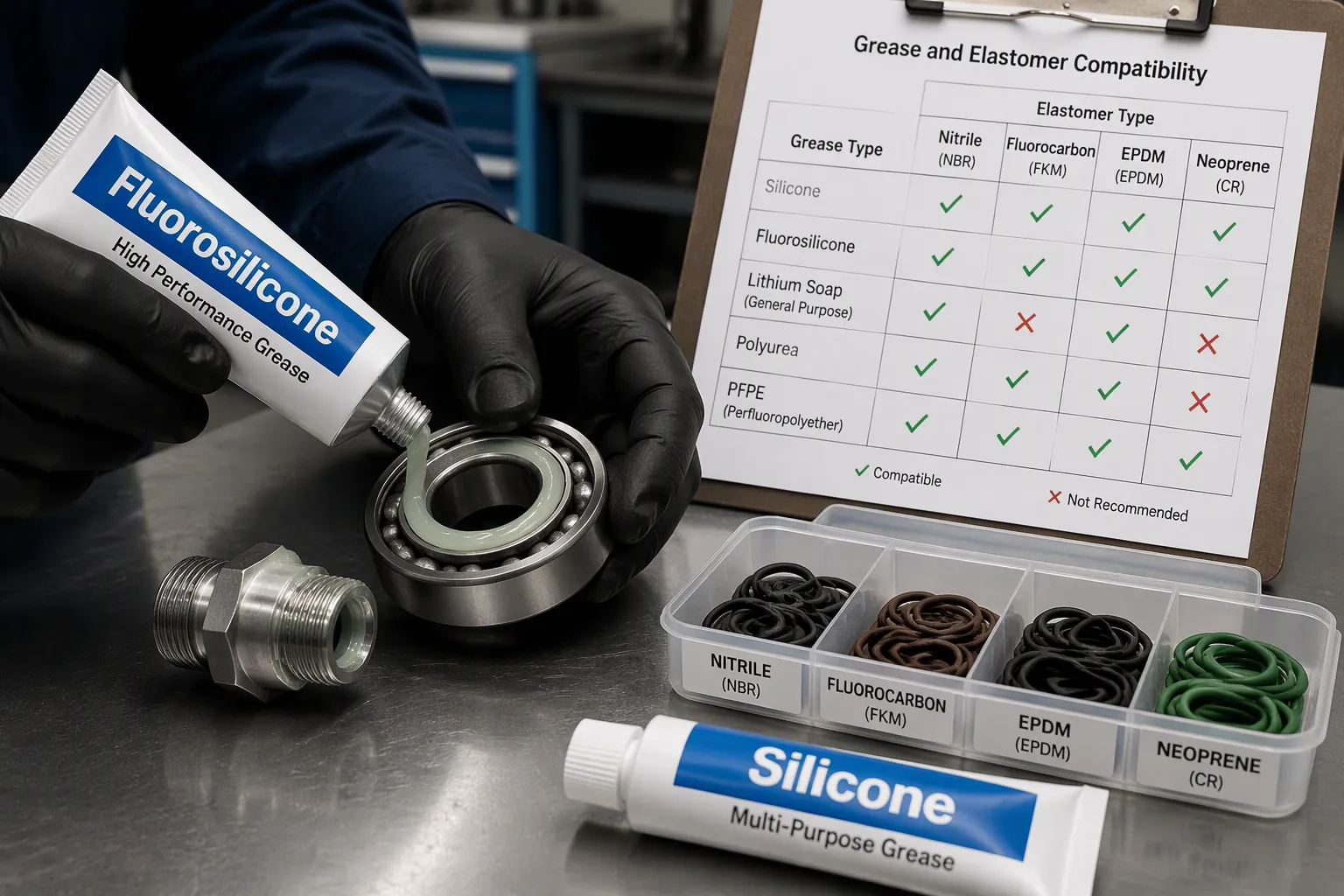
Standard silicone grease works with more plastics and elastomers, which makes it safer for sensitive materials. It works well with EPDM, neoprene, and silicone elastomers. It is not for natural rubber or nitrile (NBR), because it causes swelling and seal failure. Fluorosilicone grease covers a broader range, including nitrile (NBR) and fluorocarbon (FKM), and suits high-temperature fuel and chemical systems.
Grease Type | Compatible Elastomers | Incompatible / Notes |
|---|---|---|
Standard PDMS silicone grease | EPDM, neoprene, silicone elastomers | Not for natural rubber or nitrile (NBR) – causes swelling and seal failure |
Fluorosilicone grease | Broader range including nitrile (NBR) and fluorocarbon (FKM) | Suitable for high-temperature fuel and chemical systems |
The O-ring swelling issue needs special attention. Silicone grease swells silicone O-rings, and that swelling leads to seal failure. Fluorosilicone does not swell silicone O-rings, so it protects the seal instead of harming it. This single difference drives many sealing decisions in fuel and aerospace work. DuPont lists fluorosilicone as a lubricant technology under its Plastics & Rubber Compatibility guidance, which signals that formulators design it for use with plastics and rubber. The same guidance warns against lubricants that cause discoloration, swelling, or cracking. Fluorosilicone greases are engineered to avoid those outcomes.
Silicone rubber parts need careful thought here. A silicone O-ring paired with silicone grease will swell, while the same ring paired with fluorosilicone stays stable. Mechanical properties such as elasticity and compression set hold up better when the seal does not absorb the grease base oil. Compatibility testing before service remains the safest path. Research into fluorosilicone oil continues to widen the range of plastics and rubbers it can safely touch, and future formulations should close more of the compatibility gap. For now, the resistance profile and seal behavior of each grease guide the final choice.
Applications for Each Grease
Where Fluorosilicone Wins
Fluorosilicone grease is used in aerospace and car fuel systems. These places have heat, pressure, and fuel. The grease does not wash away, so it keeps working when other greases fail. Jet fuel systems need this staying power. Maintenance crews see fewer reseals when they use it. Chemical plants also pick fluorosilicone for pumps and valves that touch solvents. Heavy metal parts benefit too, because the grease film holds up under pressure.
Research on fluorosilicone keeps growing. Labs study new formulas to improve chemical resistance and heat limits. This work points to a future where the material handles tougher jobs at lower cost. Engineers who follow these studies see fluorosilicone as a growing option, not a special product. Its best uses keep expanding as more data comes in.
Where Silicone Excels
Silicone grease covers everyday jobs that do not involve fuels or solvents. It is best for general lubrication. Food-grade tools, electrical parts, window seals, doors, plumbing fittings, and valves all use it. Silicone grease fits this pattern well. It handles heat, resists water, and meets food-grade needs, making it a good choice for kitchens, workshops, and outdoor gear.
The choice between silicone and fluorosilicone often depends on the setting. Silicone protects plastics and rubber seals without swelling them. It also costs much less per ounce. A homeowner greasing a faucet or a technician packing an electrical connector gets what they need from silicone. No grease replaces the other. Each one works best for different conditions. Matching the product to the job is the smartest move.
Cost Comparison
Fluorosilicone Price Premium
Fluorosilicone grease costs a lot more per ounce than regular silicone grease. The fluorine atoms in its polymer chain need special raw materials and a harder manufacturing process. These steps raise the price at every stage, from making the base oil to the final blend. A buyer who needs fuel resistance or extreme heat stability pays for that ability upfront.
The price gap shows real performance, not just marketing. Fluorosilicone resists fuels, solvents, and silicone O-ring swelling in ways that cheaper greases cannot. Research into fluorosilicone oil keeps growing, and labs keep studying new formulas. That work may widen availability and slowly lower costs over time. For now, the premium stays high, and buyers should treat it as a targeted investment rather than a default purchase.
Silicone’s Budget Advantage
Standard silicone grease offers budget-friendly versatility for general use. It costs far less per ounce, and a single tub covers many everyday jobs. Homeowners, technicians, and maintenance crews can stock it without straining a budget. The low price makes it easy to apply generously and replace often.
That affordability pairs with broad compatibility. Silicone grease works with many plastics and elastomers, so it suits general lubrication, food-grade tasks, electrical connections, and plumbing fittings. Silicone grease handles heat, resists water, and meets food-grade needs at a fraction of the fluorosilicone price. A faucet repair or a window seal does not require fuel resistance, so paying extra makes little sense. Buyers get reliable performance for routine work at a cost that stays low. The budget advantage keeps silicone grease in every toolbox, while fluorosilicone stays reserved for harsh chemical and thermal environments.
Fluorosilicone vs. Silicone Summary Table
Quick Reference Guide
The table below shows the two greases next to each other. Each row looks at one thing you need to decide on. A reader can look over the table and pick the grease that fits the job.
Factor | Fluorosilicone Grease | Silicone Grease |
|---|---|---|
Chemical resistance | Strong against fuels, solvents, and harsh fluids | Breaks down and washes away under fuels and solvents |
Temperature resistance | Wide range, stable in extreme heat and cold | Narrower range, thickens in extreme cold |
Compatibility | Works with nitrile and fluorocarbon elastomers; does not swell silicone seals | Works with many plastics and elastomers; swells silicone O-rings |
Mechanical properties | Higher load capacity for metal-metal contacts | Lower load capacity, film thins under pressure |
Applications | Aerospace, fuel systems, chemical plants, heavy machinery | General lubrication, food-grade tasks, electrical work, plumbing |
Cost | High price per ounce | Budget-friendly per ounce |
The differences between the two products come down to chemistry. Fluorine atoms in the fluorosilicone polymer chain give it the chemical and thermal edge. That same structure limits which plastics and rubbers it can safely touch. Silicone grease gives up chemical resistance for broad material compatibility and a low price.
Research into fluorosilicone oil keeps growing. Labs keep studying new formulas that may widen its compatibility range and lower costs over time. For now, the table above gives buyers a clear starting point. A quick check of the operating environment and the seal material will point to the right grease every time.
The fluorinated material wins for chemical resistance, temperature extremes, mechanical properties, and O-ring safety. The standard product wins for material compatibility and overall cost. Knowing what is the fluorosilicone grease and why it is important helps engineers make smart selection choices. Choose the fluorine-modified lubricant for fuels, solvents, extreme heat, or silicone O-rings. Pick the standard version for general lubrication, food-grade needs, electrical work, or sensitive plastics. Match each grease to the specific operating environment and material compatibility requirements. Both product types remain relevant today. Ongoing research into fluorosilicone oil continues, suggesting expanding future capabilities. The performance gap justifies the price gap only when conditions truly demand it.
FAQ
Which grease should a buyer choose for fuel or solvent contact?
Pick fluorosilicone grease. It stands up to fuels, solvents, and harsh fluids. Regular silicone grease breaks down and washes away in those same conditions. If you work around gasoline, jet fuel, or cleaning agents, you need the fluorinated product.
Can a technician swap one grease for the other?
No. Each product does a different job. Fluorosilicone can harm some plastics and rubbers. Silicone grease swells silicone O-rings and fails when it meets fuels. A technician should check the seal material and the working conditions before making a choice.
Does silicone grease really damage silicone O-rings?
Yes. Silicone grease swells silicone O-rings, and that swelling causes the seal to fail. Fluorosilicone grease does not swell silicone O-rings. It protects the seal instead. This one difference guides many sealing choices in fuel and aerospace work.
Is silicone grease safe for food-grade tasks?
Yes. Silicone grease works well for food-grade jobs, electrical connections, and plumbing fittings. Silicone grease handles heat, resists water, and meets food-grade needs. Fluorosilicone costs much more and adds no benefit for these everyday jobs.
Does the higher price of fluorosilicone grease pay off?
Only when the conditions call for it. Fluorosilicone wins on chemical resistance, temperature extremes, load capacity, and O-ring safety. Silicone wins on material compatibility and cost. Ongoing research into fluorosilicone oil may widen availability and lower prices over time.
See Also
How Colloidal Stability In Grease Affects Its Overall Performance
FAKKT Grease Products Solve Today’s Automotive Industry Problems
Key Factors That Make Industrial High-Performance Grease Stand Out
Technical Update: Boosting Vehicle Reliability Using FAKKT-GC874K Synthetic Grease
Overlooked Silicone Oils Are The Ideal Companion For Plastic Parts