



Greasing your fan bearings with Cooling Fan Bearing Grease is crucial for keeping your equipment running smoothly. Proper lubrication minimizes friction in the metal parts, which prevents excessive wear and overheating. Regular application of Cooling Fan Bearing Grease can extend the lifespan of your fan bearings by up to 50%. So, how often should you grease them? It depends on factors like operational intensity and environmental conditions. If you neglect this maintenance, you’ll likely face increased friction, reduced airflow, and higher noise levels, leading to premature fan failure.
Key Takeaways
Regularly grease fan bearings to prevent costly breakdowns and ensure smooth operation.
Choose the right type of grease based on your fan’s operating conditions for optimal performance.
Establish a maintenance schedule to check for signs of wear, such as unusual noises or excessive heat.
Use precise measurement tools to apply the correct amount of grease, avoiding over-greasing or under-greasing.
Consider environmental factors like humidity and temperature to adjust your greasing frequency.
Greasing Frequency
Operational Intensity
When it comes to greasing fan bearings, the intensity of operation plays a significant role in determining how often you should apply lubrication. If your fan runs continuously or operates under heavy loads, you’ll need to grease it more frequently. Here are some general guidelines to help you establish a relubrication interval based on operational intensity:
Light Use: If your fan operates intermittently or under light loads, consider greasing every 6 to 12 months.
Moderate Use: For fans that run regularly but not continuously, a 3 to 6 month interval is advisable.
Heavy Use: If your fan works hard, such as in industrial settings or high-speed applications, you might need to grease it every month or even more frequently.
Remember, these intervals can vary based on specific conditions. If you don’t have manufacturer instructions, assess the motor RPM and bearing size to determine the best approach. For motors in challenging conditions, it’s wise to reduce the calculated lubrication interval by 50%. This proactive approach helps prevent wear and tear, ensuring your fan operates efficiently.
Environmental Factors
Environmental conditions can significantly impact how often you should grease your fan bearings. Factors like humidity, temperature, and exposure to contaminants can accelerate the degradation of both the bearings and the lubricant. Here’s how these elements can affect your greasing frequency:
Humidity: High humidity levels can lead to corrosion of bearing surfaces and degrade the lubricant. Moisture can also introduce rust particles that contaminate the bearings, making regular greasing essential.
Chemical Exposure: If your fan operates in an environment with corrosive substances, such as salt spray or industrial pollutants, you’ll need to grease more often. These chemicals can combine with moisture to accelerate degradation processes.
Temperature Extremes: High temperatures can cause grease to break down faster, while low temperatures can thicken it, reducing its effectiveness. Adjust your greasing schedule based on the temperature range your fan operates in.
By considering these environmental factors, you can better determine the appropriate intervals for applying fan bearing grease. Regular maintenance not only extends the life of your equipment but also enhances its performance.
Amount of Fan Bearing Grease
Types of Grease
Choosing the right type of grease for your fan bearings is essential for optimal performance. Different greases have unique properties that can affect how well they lubricate and protect your bearings. Here are some common types of grease you might consider:
Lithium Grease: This is the most widely used type. It offers excellent water resistance and thermal stability, making it suitable for a variety of applications.
Polyurea Grease: Known for its high-temperature performance, polyurea grease is ideal for fans that operate in extreme conditions. It also has a longer lifespan, which means less frequent maintenance.
Calcium Sulfonate Grease: This type provides excellent corrosion protection and is suitable for environments with high moisture or chemical exposure.
Using the right grease not only enhances the performance of your fan bearings but also extends maintenance intervals. Remember, proper lubrication prevents issues like corrosion and overheating, which can lead to bearing failure.
Measuring Grease
Now that you know the types of grease, let’s talk about how to measure the correct amount to apply. Applying too much or too little grease can lead to problems. Here’s how to get it right:
Calculate Based on Dimensions: To determine the amount of grease needed, consider the bearing dimensions. Larger bearings require more grease. You can use these formulas:
For ounces: (OD in inches) x (width in inches) x 0.114
For grams: (OD in mm) x (width in mm) x 0.005
For example, if you have a 6209 ball bearing with a shaft diameter of 45mm, an outer diameter of 85mm, and a width of 19mm, you would need about 8 grams of grease every 10,000 hours.
Use Precise Measurement Tools: To ensure accuracy, consider using tools like a grease gun with a calibrated nozzle. This helps you apply the right amount without over-greasing or under-greasing.
Tip: Over-greasing can increase internal friction and elevate operating temperatures, while under-greasing can lead to metal-to-metal contact and premature bearing failure.
Here’s a quick reference table summarizing the consequences of improper greasing:
Type of Greasing | Consequences |
|---|---|
Over-Greasing | Increased internal friction, elevated operating temperature, seal damage, reduced bearing service life |
Under-Greasing | Metal-to-metal contact, accelerated wear, excessive heat generation, premature bearing failure |
By measuring accurately, you can maintain the efficiency and longevity of your fan bearings.
Methods to Grease Fan Bearings
Tools Required
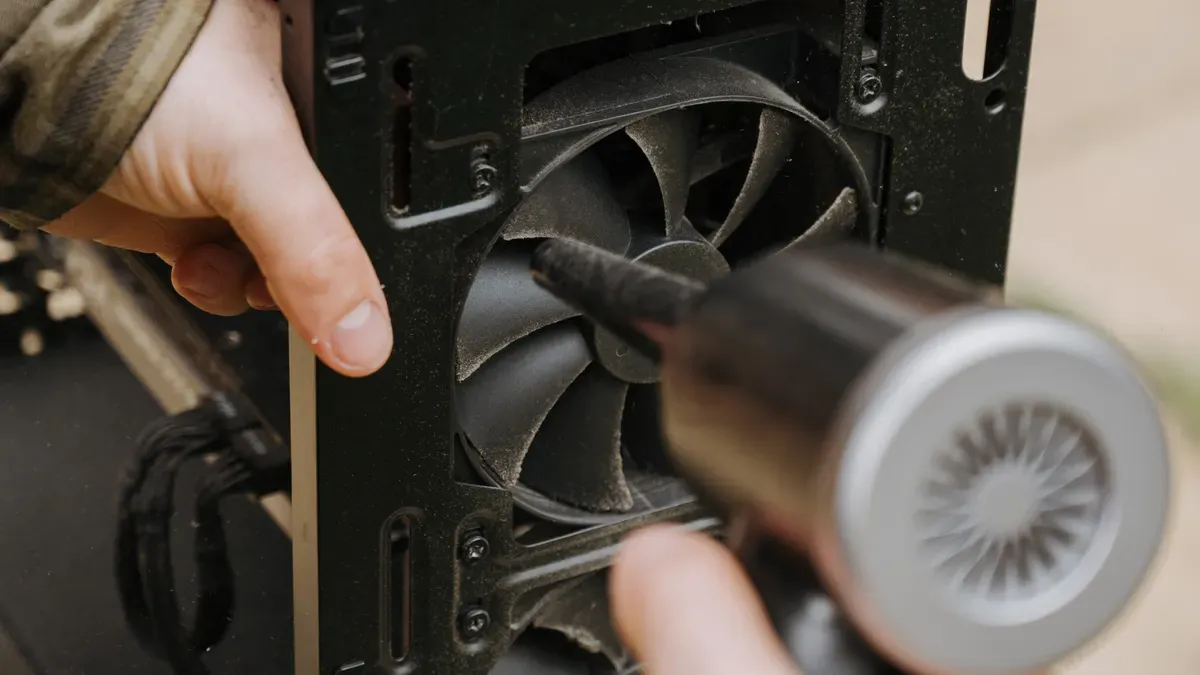
Before you start greasing your fan bearings, gather the necessary tools. Having the right equipment makes the process smoother and more effective. Here’s a list of essential tools you’ll need:
Automatic Grease Gun: This tool allows for precise application of grease into the bearing.
Appropriate Grease: Make sure to choose the right type of grease for your fan bearings. Refer to the manufacturer’s recommendations.
Cleaning Cloth: Use this to wipe down any dust or debris from the grease fittings before you start.
Safety Gear: Always wear gloves and safety glasses to protect yourself during the process.
Application Process
Now that you have your tools ready, let’s dive into the step-by-step process for greasing a bearing effectively:
Safety First: Always ensure the power is off before working on the fan. This prevents any accidents while you grease the bearings.
Access the Motor: Remove any necessary panels to reach the motor and the grease fittings.
Clean the Ports: Wipe away dust and old grease from the grease ports. This step is crucial to avoid contamination.
Apply the Correct Lubrication: Position the pointed end of the grease gun over the zerk valve fitting. Apply the recommended amount of grease, usually around 2 to 3 drops of high-quality lubricant. Consult the IOM manual for specific recommendations.
Final Inspection and Reassembly: After applying the grease, replace any caps and wipe away excess grease. Wait a moment for the lubricant to penetrate before restoring power.
Tip: Avoid common mistakes like over-greasing, which can cause heat buildup and damage seals. Always follow OEM guidelines to ensure proper lubrication.
By following these steps, you’ll keep your fan bearings well-lubricated and functioning efficiently. Regular maintenance not only enhances performance but also extends the lifespan of your equipment.
Maintenance Tips for Fan Bearings
Inspection Tips
Regular inspections are key to effective fan bearing maintenance. You should establish a routine to catch potential issues early. Here are some practical tips for inspecting your fan bearings:
Visual Inspections: Look for cracks, corrosion, or discoloration on the bearing surfaces. These signs can indicate wear or damage.
Grease Checks: Check for grease leakage or buildup. This can signal inadequate lubrication, which may lead to overheating.
Lubricant Condition: Ensure the lubricant remains clean and effective. Dirty grease can cause mechanical failure.
Incorporating tools like ultrasound technology can help you detect early signs of wear. This proactive approach allows you to manage maintenance activities effectively, reducing unplanned downtime and costs.
Signs of Wear
Recognizing the signs of wear in your fan bearings is crucial for timely maintenance. Here are some common indicators that you should watch for:
Visible Shaft Play: If you notice any wobble when moving the fan wheel, it’s a sign of wear.
Heat: Excessive heat radiating from the bearing housings often indicates internal friction or inadequate lubrication.
Unusual Noises: Grinding or high-pitched squealing sounds can signal misalignment or internal wear. Pay attention to changes in sound, especially when the fan is under load.
By identifying these signs early, you can plan for necessary repairs without risking catastrophic failure. Following a recommended maintenance schedule will help extend the life of the fan bearings and keep your equipment running smoothly.
Tip: Regularly check for overheating, unusual noises, or excessive vibration. These signs can help you address issues before they escalate.
Regular maintenance and greasing of fan bearings are essential for optimal performance and longevity. Here are some key takeaways:
Prevent Failures: Regular greasing helps avoid costly breakdowns in industrial fans.
Maximize Lifespan: Proper lubrication from installation through the bearing’s life is crucial.
Reduce Wear: Adequate lubrication minimizes surface wear and power loss.
To keep your fan bearings in top shape, establish a maintenance schedule. Here’s a quick look at common challenges and solutions:
Challenge | Solution |
|---|---|
Improper selection of components | Choose the right bearing types |
Lubrication issues | |
Need for regular inspections | Schedule consistent maintenance checks |
By staying proactive, you can enhance the reliability of your equipment and ensure smooth operations. Don’t wait for issues to arise—start your maintenance routine today!
FAQ
How do I know if my fan bearings need greasing?
You can check for unusual noises, excessive heat, or visible wear. If you notice any of these signs, it’s time to grease your fan bearings.
Can I use any grease for my fan bearings?
No, you should use grease specifically designed for fan bearings. Check the manufacturer’s recommendations for the best type to ensure optimal performance.
What happens if I over-grease the bearings?
Over-greasing can lead to increased internal friction, elevated temperatures, and seal damage. Always apply the recommended amount to avoid these issues.
How can I clean the grease fittings before applying new grease?
Use a clean cloth to wipe away dust and old grease from the fittings. This prevents contamination and ensures proper lubrication.
Is it necessary to grease fan bearings in winter?
Yes, even in winter, you should grease your fan bearings. Cold temperatures can thicken grease, so regular maintenance is essential to keep them functioning well.
See Also
Innovative Grease Solutions Addressing Today’s Automotive Issues
Key Features That Define Exceptional Industrial Grease Performance
Improving Vehicle Reliability Using FAKKT-GC874K Synthetic Grease
The Role of Colloidal Stability in Grease Performance
FAKKT-UB 45001: A Benchmark for High-Performance Lubrication