



Choosing the right Electric Power Steering (EPS) gear grease for your system is crucial for optimal performance. The right EPS gear grease can significantly enhance the efficiency and longevity of your steering components. Commonly recommended types of Electric Power Steering (EPS) gear grease include lithium complex grease and synthetic grease. For instance, Rheolube® 462CF is a popular choice, offering a temperature range of -54 to 130°C and full compatibility with EPS gear plastics. Selecting the appropriate Electric Power Steering (EPS) gear grease ensures smooth operation and reduces wear on critical parts.
Key Takeaways
Choosing the right grease, like lithium complex or synthetic grease, is essential for optimal Electric Power Steering (EPS) performance.
High-quality grease reduces friction, enhances torque, and extends the lifespan of your EPS system.
Proper application of grease involves cleaning components, using the right tools, and following manufacturer guidelines for best results.
Regular maintenance, including grease application every six months, helps ensure smooth operation and prevents wear in your EPS system.
Selecting reputable brands like Rheolube or FUCHS guarantees high performance and reliability for your EPS system.
Why Choose the Right Grease
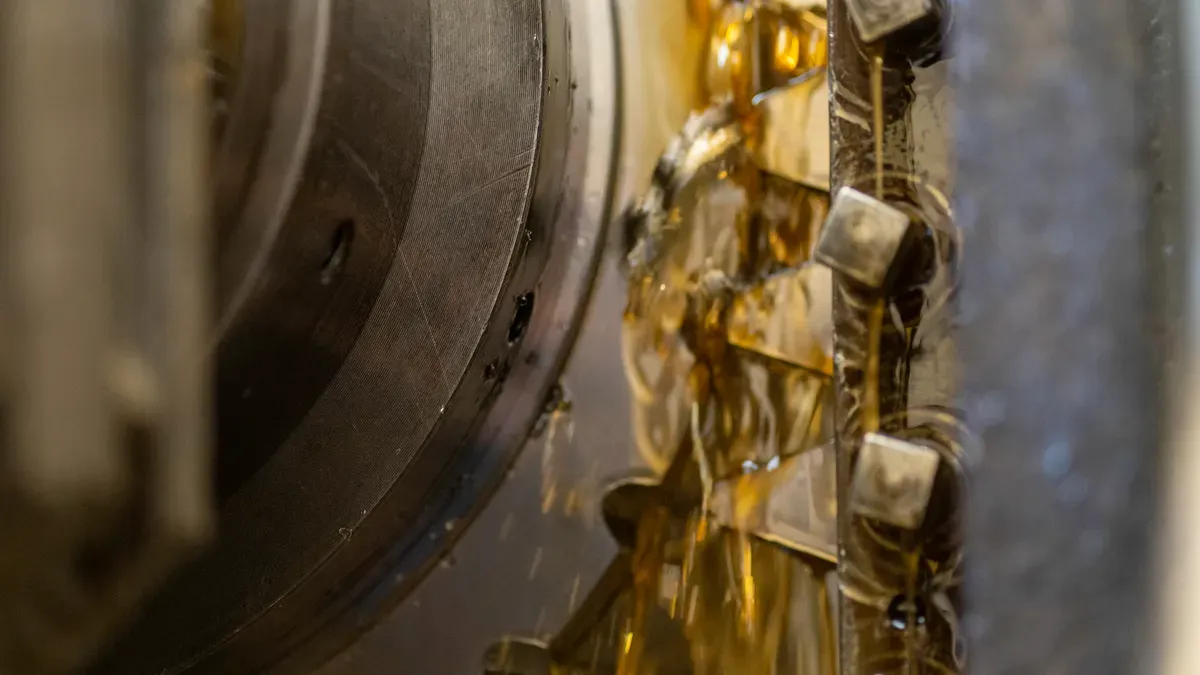
Choosing the right grease for your Electric Power Steering (EPS) system is essential for optimal performance. The grease you select directly impacts how well your steering operates. High-quality grease minimizes friction, which enhances torque performance. This improvement leads to a longer lifespan for your EPS system.
Proper lubrication plays a critical role in reducing heat and friction. When you apply the right grease, it forms a protective layer between moving parts. This layer prevents metal-to-metal contact, which can cause wear and tear. As a result, your steering components experience less stress, allowing them to function smoothly.
Using synthetic hydrocarbon greases can significantly lower frictional torque between gears. These advanced greases come equipped with additives that improve efficiency. They also enhance performance in low-temperature conditions. This means your EPS system will operate effectively, even in colder climates. Moreover, these greases provide essential wear protection and help dampen vibrations, contributing to a more comfortable driving experience.
Types of EPS Gear Grease
When selecting grease for your Electric Power Steering (EPS) system, you will encounter various options. Two of the most recommended types are lithium complex grease and synthetic grease. Each type has unique properties that can enhance the performance of your EPS system.
Lithium Complex Grease
Lithium complex grease is a popular choice for EPS systems due to its excellent performance under high-load conditions. This type of grease excels in high-speed and high-temperature applications. It provides superior lubrication, which helps reduce wear on moving parts. Here are some key benefits of lithium complex grease:
High Load Capacity: It performs well under demanding conditions, making it suitable for vehicles that require robust steering support.
Water Resistance: This grease offers good resistance to water, which helps maintain lubrication even in wet conditions.
Thermal Stability: It remains stable at high temperatures, ensuring consistent performance during extended use.
Using lithium complex grease can significantly enhance the efficiency of your EPS system, especially in challenging driving conditions.
Synthetic Grease
Synthetic grease is another excellent option for your EPS system. It is formulated with advanced additives that improve performance and reduce friction. Here are some advantages of synthetic grease:
Low Friction: Synthetic greases are designed to minimize friction, which can lead to improved fuel efficiency. This is particularly beneficial for electric power steering systems, as they contribute to reduced emissions and a lesser environmental impact.
Temperature Range: Synthetic greases often have a wider temperature range than traditional greases. They perform well in both high and low temperatures, ensuring reliable operation in various climates.
Enhanced Longevity: The advanced formulation of synthetic grease helps it last longer than standard greases, reducing the frequency of application.
In high-load conditions, synthetic grease can outperform lithium complex grease, making it a strong contender for your EPS system.
In addition to these two types, you may also consider standard greases and silicone gun oil. While they can provide adequate lubrication, they may not offer the same level of performance as lithium complex or synthetic greases.
Choosing the right grease for your Electric Power Steering (EPS) system is crucial. By understanding the benefits of lithium complex and synthetic greases, you can make an informed decision that enhances your vehicle’s performance and longevity.
Key Properties of EPS Grease
When selecting grease for your Electric Power Steering (EPS) system, understanding its key properties is vital. Two of the most important characteristics are viscosity and temperature resistance. These properties directly influence the performance and longevity of your EPS system.
Viscosity
Viscosity refers to the thickness or flowability of the grease. It plays a crucial role in how well the grease lubricates moving parts. A grease with the right viscosity ensures stable film formation between surfaces, which reduces friction and wear.
Here’s a quick overview of how viscosity affects EPS systems:
Parameter | Target Value | Influence on Noise |
|---|---|---|
150 – 300 cSt at 40°C | Ensures stable film formation |
Using grease with the correct viscosity helps maintain optimal performance. If the viscosity is too low, the grease may not provide adequate lubrication, leading to increased wear. Conversely, if the viscosity is too high, it can create excessive resistance, making the steering feel heavy.
Temperature Resistance
Temperature resistance is another critical property of EPS grease. Grease must perform well under varying temperature conditions to ensure reliable operation. High-quality grease should withstand both high and low temperatures without breaking down.
Consider the following performance metrics for temperature resistance:
Performance Metric | Specification |
|---|---|
Exceeding 180°C (356°F) | |
Down to -40°C (-40°F) | |
Chemical resistance | Solvents, fuels, acids, etc. |
Corrosion protection | Moisture, oxidation, water washout |
Solid lubricants | Increased protection on wear surfaces |
Specialized bases | Silicone, fluorosilicone, PFPE oils |
Grease that can handle extreme temperatures helps prevent failures in your EPS system. It protects against oxidation and maintains its properties over time. This durability reduces maintenance costs and enhances the overall driving experience.
Recommended EPS Gear Grease Products
Top Brands
When it comes to selecting the best grease for your Electric Power Steering (EPS) system, several brands stand out for their quality and performance. Here are some top brands you should consider:
Rheolube: Known for its high-performance greases, Rheolube offers products specifically designed for EPS applications.
FUCHS: This brand focuses on sustainable options, providing innovative greases that meet modern environmental standards.
Mobil: A trusted name in lubricants, Mobil produces a range of greases suitable for various automotive applications, including EPS systems.
Specific Product Recommendations
Here are some specific products that you can trust for your EPS system:
Rheolube 363F: This grease provides excellent lubrication and stability, making it ideal for high-performance EPS systems.
Rheolube 462CF: With a temperature range of -54 to 130°C, this product ensures compatibility with EPS gear plastics and offers superior performance.
FUCHS RENOLIT CX SWG 0-1: This sustainable grease operates effectively in temperatures from -40°C to 130°C. It demonstrates superior torque stability, temperature control, and wear resistance compared to traditional greases. Additionally, it is free from PFAS and lithium, addressing regulatory pressures from global bodies. The RENOLIT CX SWG 0-1 also reduces plastic-on-metal friction noise, making it an excellent choice for electric and hybrid vehicles.
Choosing the right Electric Power Steering (EPS) gear grease can significantly impact your vehicle’s performance. By selecting products from reputable brands, you ensure that your steering system operates smoothly and efficiently.
Application Tips for EPS Grease
Proper Application Techniques
Applying Electric Power Steering (EPS) gear grease correctly is essential for optimal performance. Follow these steps to ensure effective application:
Clean the Area: Before applying grease, clean the steering components thoroughly. Remove any old grease, dirt, or debris. This step prevents contamination and ensures proper adhesion.
Use the Right Tools: Utilize a grease gun or a precision applicator for accurate application. These tools help you apply the grease evenly and avoid over-application.
Apply Evenly: Distribute the grease evenly across all moving parts. Focus on areas where metal-to-metal contact occurs. This practice ensures that all components receive adequate lubrication.
Check for Excess: After application, check for any excess grease. Wipe away any surplus to prevent it from attracting dirt or debris.
Follow Manufacturer Guidelines: Always refer to the manufacturer’s instructions for specific application techniques. Each EPS system may have unique requirements.
Frequency of Application
Regular maintenance is crucial for the longevity of your EPS system. The frequency of grease application depends on several factors, including driving conditions and manufacturer recommendations. Here are some general guidelines:
Every 6 Months: For most vehicles, applying grease every six months is a good rule of thumb. This schedule helps maintain optimal performance.
After Harsh Conditions: If you drive in extreme conditions, such as heavy rain or off-road environments, consider applying grease more frequently. These conditions can lead to faster wear and tear.
Check Regularly: Inspect your EPS system regularly for signs of wear or inadequate lubrication. If you notice any issues, reapply grease as needed.
By following these application tips, you can ensure that your Electric Power Steering (EPS) gear grease performs effectively, enhancing the overall performance and lifespan of your steering system.
Selecting the right grease for your Electric Power Steering (EPS) system is crucial for optimal performance and longevity. The right choice can enhance reliability and efficiency. Consider the following benefits of using recommended greases:
The developed grease reduces friction, achieving an average coefficient of 0.066, compared to 0.081 for imported options. This leads to an 18.5% reduction in friction.
Transmission efficiency improves, with the developed grease reaching 84.12% efficiency versus 82.62% for alternatives.
Durability tests show no significant wear after 100,000 cycles, indicating excellent longevity.
A 30,000-kilometer road test confirmed flawless performance with no steering issues.
By choosing the right grease, you ensure your EPS system operates smoothly and efficiently.
FAQ
What is the purpose of grease in EPS systems?
Grease lubricates the moving parts in your Electric Power Steering system. It reduces friction, minimizes wear, and helps maintain smooth operation, ensuring your steering feels responsive and reliable.
How often should I apply grease to my EPS system?
You should apply grease every six months under normal conditions. If you drive in harsh environments, consider more frequent applications to maintain optimal performance.
Can I use regular grease for my EPS system?
Using regular grease is not recommended. Standard greases may not withstand the specific temperature and load conditions of EPS systems, leading to reduced performance and potential damage.
What are the signs that my EPS system needs grease?
Signs include increased steering resistance, unusual noises, or a feeling of roughness when turning the wheel. If you notice these symptoms, check the grease levels and apply more if necessary.
Is synthetic grease better than lithium complex grease?
Synthetic grease often outperforms lithium complex grease in low-friction and temperature resistance. It provides enhanced longevity and efficiency, making it a strong choice for your EPS system.
See Also
Key Factors That Define Exceptional Industrial Grease Performance
Innovative FAKKT Grease Solutions Addressing Today’s Automotive Issues
The Role of Colloidal Stability in Grease Performance Explained
Boosting Automotive Reliability Using FAKKT-GC874K Synthetic Grease