


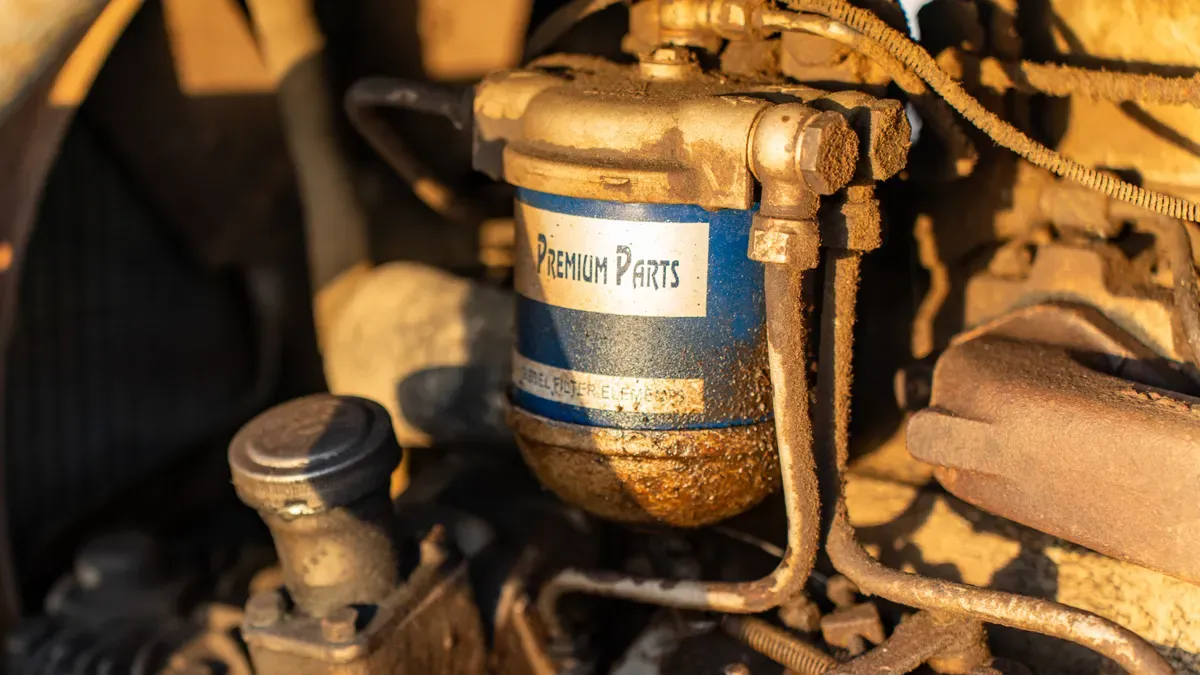
Choosing the right Water Pump Bearing Grease for your water pump bearings is crucial. The right Water Pump Bearing Grease ensures compatibility with your equipment and enhances performance. It also protects against harsh environmental conditions. Proper selection of Water Pump Bearing Grease can significantly impact the lifespan and efficiency of your water pump bearings. Industry studies show that when Water Pump Bearing Grease can no longer separate and protect surfaces, it leads to increased friction. This friction can cause premature failure, ultimately affecting your pump’s operational efficiency.
Remember, high-performance Water Pump Bearing Grease not only reduces wear but also enhances longevity, saving you time and money in the long run!
Key Takeaways
Choose the right grease based on operating temperature and load to enhance performance and longevity.
Proper lubrication prevents friction and wear, significantly extending the lifespan of your water pump bearings.
Avoid mixing different types of grease to prevent incompatibility issues that can lead to bearing failure.
Implement regular maintenance checks to monitor lubrication and ensure optimal performance of your water pump.
Follow recommended greasing intervals, typically every three months or 2,000 operating hours, to maintain efficiency.
Role of Grease in Water Pump Bearings
Importance of Lubrication
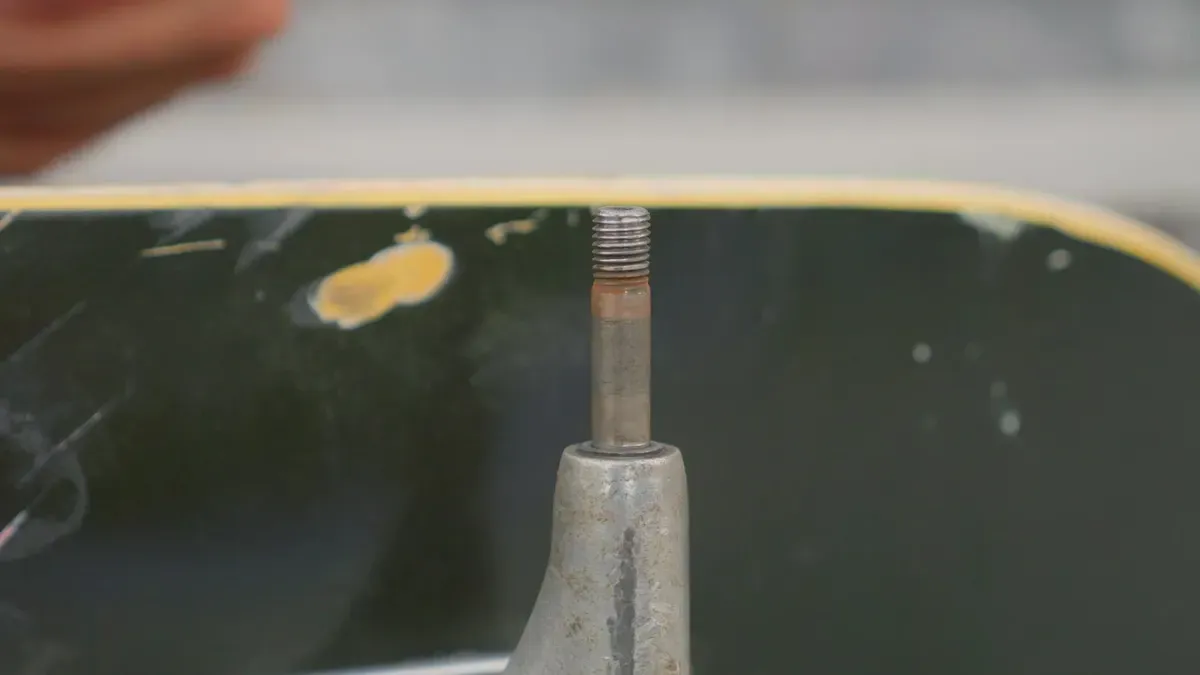
Lubrication plays a vital role in the functionality of water pump bearings. It prevents sticking and allows smooth sliding between components. Without proper lubrication, friction increases, leading to wear and tear. This wear can shorten the lifespan of your bearings. Here are some primary functions of grease in water pump bearings:
Function of Grease | Description |
|---|---|
Lubrication | Prevents sticking and provides smooth sliding between components. |
Contact Lubrication | Lubricates points of contact between races and rolling parts. |
Heat Dissipation | Dissipates heat generated in the bearing. |
Corrosion Prevention | Prevents corrosion on polished surfaces. |
Sealing | Creates an airtight and watertight barrier against outside elements. |
Impact on Performance
The right grease significantly impacts the performance of your water pump bearings. Proper lubrication reduces friction and wear, which enhances operational efficiency. For instance, studies show that using high-quality lubricants can improve load-carrying capacity. This prevents oil film rupture and minimizes metal-to-metal contact. As a result, you experience lower friction and wear rates, leading to increased mechanical efficiency.
Additionally, controlled temperature rise occurs when friction decreases. Lower temperatures prevent oil degradation, enhancing the stability of your pump’s operation. By selecting the appropriate Water Pump Bearing Grease, you ensure that your pump operates smoothly and efficiently, ultimately saving you time and money.
Types of Water Pump Bearing Grease
Calcium-Based Grease
Calcium-based grease is a popular choice for water pump bearings due to its excellent water resistance and stability. This type of grease comes in two main forms: anhydrous and hydrated.
Anhydrous Calcium Grease: This grease offers moderate water resistance and can tolerate temperatures up to 120°C continuously and 140°C temporarily. It works well in environments where moisture is present but not excessive.
Hydrated Calcium Grease: This variant excels at low temperatures, making it ideal for cold environments. However, it degrades beyond 80°C, limiting its use in high-temperature applications.
Here’s a quick comparison of the two types:
Type of Grease | Water Resistance | Temperature Tolerance |
|---|---|---|
Anhydrous Calcium Grease | Moderate | Up to 120°C (continuous), up to 140°C (temporary) |
Hydrated Calcium Grease | Excellent at low temps | Degrades beyond 80°C |
Synthetic Grease
Synthetic grease is another excellent option for water pump bearings. It offers several advantages over traditional greases, making it suitable for various applications.
Leak Control: Its higher viscosity helps it stick better than oils, reducing the risk of leaks.
Contamination Prevention: Synthetic grease seals bearings and machine parts, keeping out dirt and moisture.
Longevity: It lasts longer than oil, which means less frequent maintenance.
However, synthetic grease does have some drawbacks. It can degrade at high temperatures, which reduces its effectiveness. Additionally, it may absorb dust and dirt, which can compromise its performance. Here’s a summary of the advantages and disadvantages:
Advantages | Disadvantages |
|---|---|
Leak control: Grease’s higher viscosity helps it stick better than oils, lowering the risk of leaks. | Temperature limitations: Grease can degrade at high temperatures, reducing its effectiveness. |
Contamination prevention: Grease seals bearings and machine parts, keeping out contaminants. | Contamination risk: Grease can absorb dust and dirt, reducing its effectiveness. |
Longevity: Grease lasts longer in equipment than oil, reducing maintenance needs. | Maintenance complexity: Replacement is necessary at regular intervals, which can be time-consuming. |
Structural stability: Grease does not need a circulation system for effective distribution. | Energy consumption: Grease has more initial resistance than oil, increasing energy use during startup. |
Load-bearing and shock protection: Grease can withstand heavy loads and prevents shock loads. | Incompatibility issues: Different types of grease may be incompatible, harming machinery. |
When selecting grease for high-temperature or high-load applications, consider synthetic options that can exceed 180°C (356°F) and perform well under extreme conditions.
By understanding the properties of calcium-based and synthetic greases, you can make informed decisions that enhance the performance and longevity of your water pump bearings.
Key Selection Factors
Operating Temperature
Operating temperature is a critical factor when selecting grease for your water pump bearings. The temperature range affects the grease’s performance and longevity. High temperatures can degrade lubricants, reducing their effectiveness. This degradation increases friction, which generates more heat and accelerates wear. Conversely, low temperatures can make lubricants too thick, preventing adequate coverage. This can also lead to increased wear and potential failure.
Maintaining optimal operating temperatures is crucial for ensuring the longevity and performance of grease in bearings.
For example, MOLYKOTE® 41 Extreme High Temperature Bearing Grease is rated for continuous service from -18°C to 290°C (-4°F to 554°F). This wide range makes it suitable for various applications, especially in environments with fluctuating temperatures.
Load and Speed
Load and speed significantly influence your choice of grease. The viscosity of the lubricant must match the load and speed of the bearing to maintain a protective film. Using grease that cannot handle the required load can lead to increased wear and tear. This inadequate lubrication can drive up maintenance costs and lead to equipment failure.
Here’s a quick overview of how different operating conditions affect lubricant selection:
Operating Conditions | Lubricant Type | Recommended Lubricants |
|---|---|---|
Low speed, moderate load | Grease | Lithium-based grease, calcium-based grease |
High speed, high load | Oil | Mineral oil, synthetic oil |
Extreme operating conditions | Solid lubricants or self-lubricating materials | Graphite, molybdenum disulfide, self-lubricating materials |
When selecting grease, consider the following factors:
Bearing Load and Speed: Ensure the lubricant can handle the specific load and speed requirements.
Environmental Conditions: Assess exposure to water, dust, and chemicals. Choose lubricants with appropriate resistance properties.
Viscosity Requirements: The lubricant’s viscosity must ensure adequate film thickness to prevent metal contact and excessive heat.
Compatibility with Bearing Materials: Ensure the lubricant does not react negatively with the bearing materials.
Lubricant Additives: Additives can enhance performance by providing anti-wear, anti-corrosion, and oxidation resistance.
By understanding these key selection factors, you can make informed decisions that enhance the performance and longevity of your water pump bearings.
Common Mistakes in Grease Selection
Incompatibility Issues
One common mistake in grease selection is using incompatible grease types. Mixing different greases can lead to serious problems. For example, combining polyurea grease with lithium-based grease can collapse the thickener structure. When this happens, the grease separates into oil, which can leak out of the bearing. This results in inadequate lubrication and can cause bearing failure.
Here are some key points about incompatibility:
Mixing polyurea and lithium complex grease can lead to rapid bearing failure.
There have been cases where bearings failed within days due to this incompatibility.
To avoid these issues, always check compatibility before mixing greases. Refer to manufacturer guidelines to ensure you use the right type.
Over or Under Greasing
Another frequent error is over or under greasing your water pump bearings. Both situations can lead to significant problems.
Over-greasing can cause:
Churning: Excess grease leads to increased friction, resulting in energy loss and higher temperatures.
Seal Damage: High pressure from too much grease can rupture seals, allowing dirt and moisture to enter.
Increased Heat and Oil Bleed: Excessive heat can cause oil to separate from the grease, compromising lubrication.
Under-greasing can also be harmful. Insufficient grease fails to provide adequate lubrication, leading to increased wear and potential failure.
To prevent these mistakes, follow these guidelines:
Guideline | Description |
|---|---|
Proper Storage | Seal grease containers and store them in dry, mild temperature environments. |
Staff Training | Train maintenance staff on grease selection to avoid incorrect applications. |
Manufacturer Specifications | Adhere to specifications provided by manufacturers for optimal performance. |
Monitoring Grease Usage | Develop lubrication plans and keep records to avoid mistakes in application. |
By being aware of these common mistakes, you can enhance the performance and longevity of your water pump bearings.
Best Practices for Application
Proper Greasing Techniques
Applying grease correctly is essential for the longevity of your water pump bearings. Here are some recommended techniques for optimal coverage:
Oil Drip Feed Lubrication: This method allows a steady drip of oil to lubricate the bearings continuously.
Oil Splash Feed Lubrication: In this technique, oil splashes onto the bearings from rotating parts, providing lubrication.
Oil Force Feed Lubrication: This method uses a pump to force oil into the bearings, ensuring consistent lubrication.
Grease Lubrication: Apply grease directly to the bearings using a grease gun, ensuring even distribution.
Proper lubrication significantly impacts bearing life. Approximately 80% of bearing failures stem from lubrication and contamination issues. Therefore, you must choose the right method based on your pump’s design and operating conditions.
Regular Maintenance Checks
Regular maintenance checks are vital for maximizing the service life of your water pump bearings. Follow these best practices:
Implement a Regular Inspection Schedule: Conduct routine visual and mechanical inspections to identify issues early.
Prioritize Seal and Bearing Maintenance: Ensure seals are lubricated and replace worn bearings to prevent damage.
Monitor Bearing Temperature and Vibration: Regularly check for abnormal temperature and vibration to catch potential failures.
Monitor Operating Conditions: Ensure pumps operate within design parameters to avoid stress.
Maintain Proper Lubrication: Use recommended lubricants and follow oil change intervals.
Keep Systems Clean: Install filters and flush systems to prevent debris buildup.
Align and Balance Equipment: Regularly check alignment to minimize vibration and wear.
Train and Empower Operators: Educate operators to recognize early warning signs and take action.
Water pump bearings should be greased every three months or every 2,000 operating hours, whichever comes first. Always refer to the operation manual for specific instructions on grease intervals and types. Regular maintenance not only prevents wear but also reduces the likelihood of failure, ensuring your water pump operates efficiently.
Selecting the right grease for your water pump bearings is crucial for ensuring reliability and performance. Proper lubrication prevents failures and enhances the lifespan of your pump. Remember these key factors:
Choose grease based on operating temperature and load.
Follow recommended application methods for optimal results.
Effective grease selection and maintenance significantly improve pump performance. The American Bearing Manufacturers Association states that 64% of bearing failures arise from improper lubrication. To ensure you meet industry standards, refer to guidelines like IEEE Standard 841-2001 and API610 11th Edition. By following these best practices, you can keep your water pump running smoothly and efficiently.
FAQ
What type of grease should I use for high-temperature applications?
For high-temperature applications, consider using synthetic grease. It can withstand temperatures exceeding 180°C (356°F) and offers excellent performance under extreme conditions.
How often should I grease my water pump bearings?
You should grease your water pump bearings every three months or every 2,000 operating hours, whichever comes first. Always refer to the operation manual for specific recommendations.
Can I mix different types of grease?
Mixing different types of grease is not advisable. Incompatibility can lead to grease separation and inadequate lubrication, causing premature bearing failure.
What are the signs of under-greasing?
Signs of under-greasing include increased noise, overheating, and visible wear on bearings. Regularly check your bearings to ensure proper lubrication.
How do I know if my grease is still effective?
You can check grease effectiveness by monitoring bearing temperature and performance. If you notice excessive heat or wear, it may be time to replace the grease.
See Also
Key Factors That Define Exceptional Industrial Grease Performance
The Role of Colloidal Stability in Grease Performance
Improving Automotive Reliability Using FAKKT-GC874K Synthetic Grease
FAKKT Grease Innovations Addressing Today’s Automotive Issues