


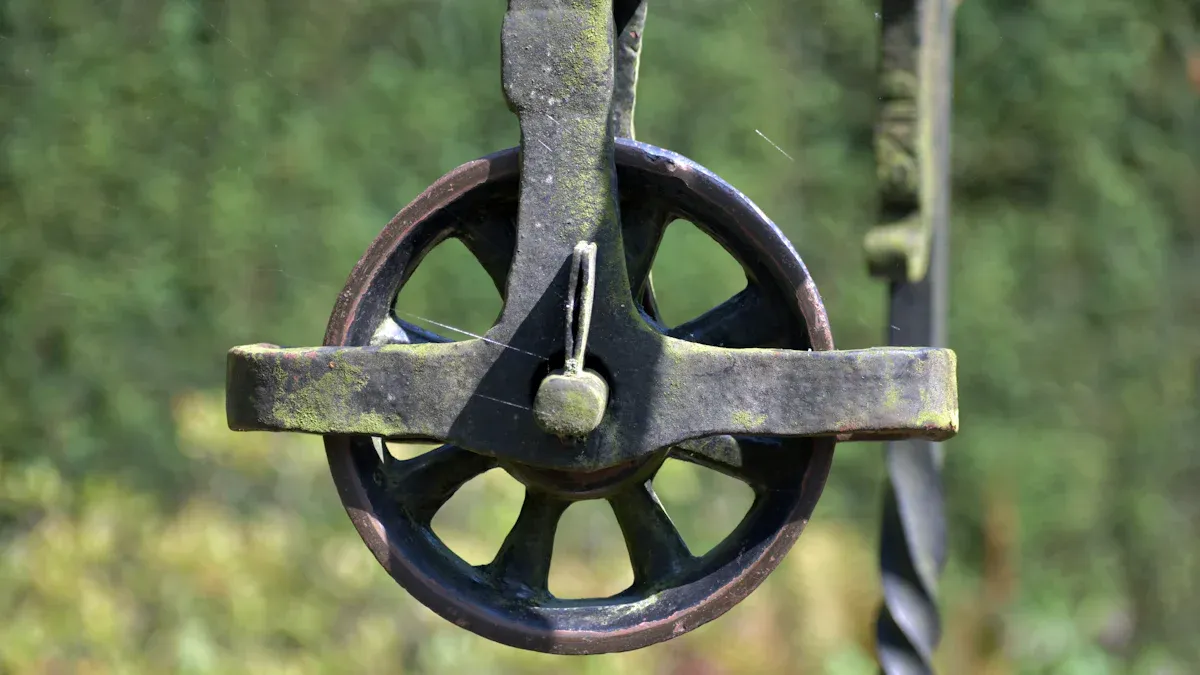
Wheel flange lubrication involves the controlled application of a lubricant or friction modifier to the interface between rail vehicle wheels and the inner sides of the rails. This process is especially important during curve negotiation. This seemingly small detail plays a critical role in enhancing railway efficiency, safety, and sustainability. It has a profound impact on the entire railway system’s operation.
Effective lubrication reduces wear, improves fuel efficiency, and lowers maintenance costs. For instance, industry studies indicate that effective wheel flange lubrication can improve overall fuel efficiency by approximately 2%. Monte Carlo analyses further suggest a probable range of 1.8% to 4.3% in energy savings. A test track study specifically found a 3.2% reduction in energy consumption for lubricated locomotives. Applying Wheel-Flange Mechanism Grease strategically ensures smoother, more economical train movements.
Key Takeaways
Wheel flange lubrication applies special grease between train wheels and rails to stop metal-on-metal rubbing.
Smooth wheel motion reduces track friction and improves overall train fuel efficiency by up to four percent.
Less wheel friction protects steel tracks from dangerous cracks and cuts annoying screeching noises during sharp turns.
Proper train lubrication doubles component lifespans and saves railway companies thousands of dollars in yearly maintenance costs.
What is Wheel Flange Lubrication?
The Wheel-Rail Interface
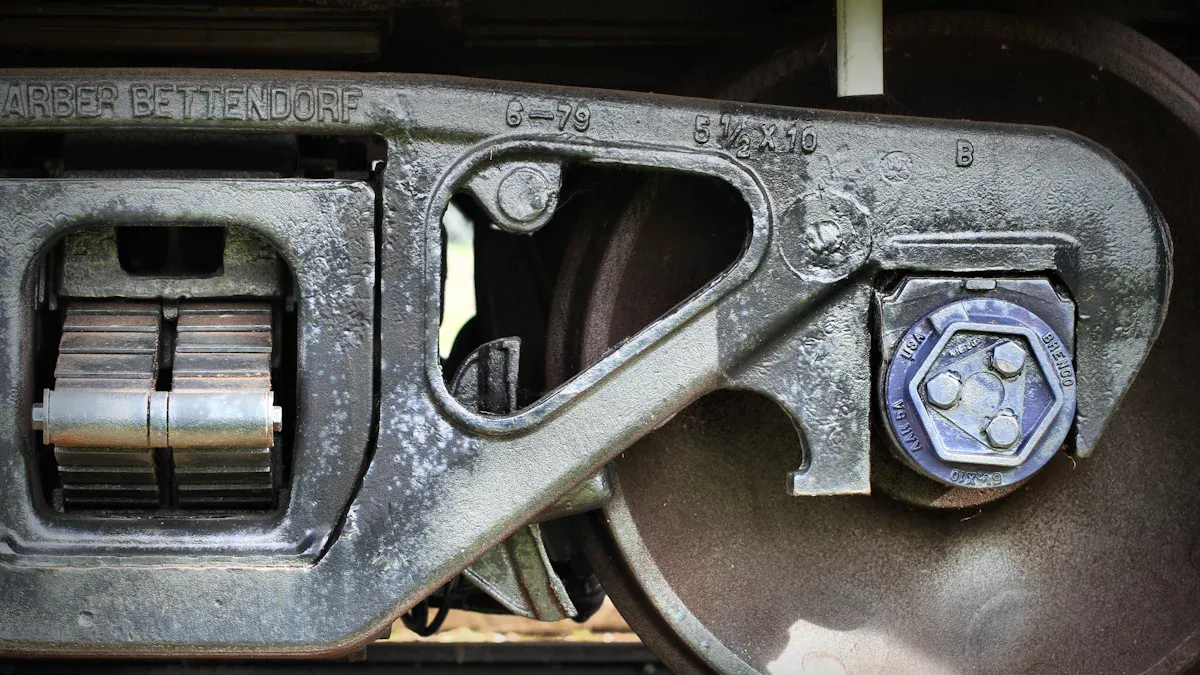
Wheel flange lubrication involves applying specialized lubricants or friction modifiers. These substances reduce friction between wheel flanges and rail gauge corners. This action is crucial for managing the forces at the wheel-rail interface. For example, freshly ground rail often shows a coefficient of friction (COF) above 0.6. This high COF causes very high lateral creep forces. These forces push against the rail. When workers swabbed the rail with grease at the curve entry, lateral forces dropped immediately. These forces climbed back up as the treatment dried out. This shows a direct link between top-of-rail lubricant and reduced lateral forces. Canadian Pacific (CP) achieved approximately 30% reductions in lateral forces during curve negotiation. They did this by maintaining a COF between 0.2 and 0.4 with wayside friction modifiers. This controlled friction prevents excessive wear and stress on both the wheels and the rails. It allows trains to navigate curves more smoothly and efficiently.
Applying Wheel-Flange Mechanism Grease
Railway operators use various methods to apply Wheel-Flange Mechanism Grease. These systems ensure the lubricant reaches the critical contact points. On-board systems mount on the first leading vehicle axle. They include spray grease systems, common in Europe, which offer fine-tuned control. These systems spray a thin layer onto the wheel flange. This layer then transfers to the rail gauge face. They suit vehicles without an onboard air supply. Another on-board option is the solid stick system. This system uses a spring-loaded stick pressed against the wheel flange. It provides continuous and precise application without migrating to the top-of-rail. These solid sticks are simple, reliable, low maintenance, clean, non-toxic, and non-flammable.
Wayside systems are track-mounted. They use high-pressure, low-volume pumps with applicators. These systems detect passing trains via wheel sensors. The wheels pick up the lubricant and carry it through curves. Exact metering occurs through drilled holes or clamped applicators. These systems can pump lubricants long distances and handle high-viscosity types. Options include wiper bars, injection devices, and drilled channels. Trackside application systems like Electric PROTECTOR® systems and Traction Gel Applicator (TGA) often include Remote Performance Monitoring (RPM) for remote asset management. KELTRACK On-Board (KOB) liquid spray systems manage top-of-rail friction without needing track access. Evaluating the effectiveness of Wheel-Flange Mechanism Grease involves key performance indicators. Field-based metrics include grease pick-up, retentivity, and carry down. Lab tests show graphite-based solid lubricants have a lower stable traction coefficient than MoS2-based lubricants. They also cause less rail wear and offer better retentivity, leading to low stable traction and reduced rail wear over a longer period.
Reducing Wear and Friction
Minimizing Metal-on-Metal Contact
Wheel flange lubrication plays a crucial role in minimizing direct metal-on-metal contact between train wheels and rails. When a train navigates curves, its wheel flanges press against the inner side of the rail. This creates significant friction and wear. Lubrication introduces a protective boundary layer between these steel surfaces. This layer prevents the direct grinding of metal against metal. Without this lubrication, the constant rubbing would quickly erode both components. This leads to premature failure and costly repairs.
The primary mechanism involves the lubricant creating this boundary layer. This layer significantly reduces the coefficient of friction (COF) at the wheel-rail interface. The PN-EN 15427-2-1:2022 Annex H standard sets a clear benchmark. It specifies that the permissible value of the coefficient of friction for wheel flange lubricants must be ≤0.15. This regulatory threshold confirms that effective lubrication must reduce steel-on-steel friction to this level or lower. This controlled friction prevents excessive heat generation and material transfer.
Consider the dramatic difference lubrication makes. Dry steel-on-steel contact exhibits a static friction of 0.74 and a kinetic friction of 0.57. However, with oil-lubricated steel-on-steel, the static friction drops to 0.15, and the kinetic friction falls to 0.09. This data shows an approximate 80% decrease in static friction and an 84% decrease in kinetic friction. This substantial reduction directly lessens the intensity of abrasive wear on both the wheel flange and the rail head side surface. This is especially important when rolling stock operates on small-radius curves where lateral slips frequently occur. The controlled application of Wheel-Flange Mechanism Grease ensures this critical boundary layer remains effective. It protects against common issues like corrugation and fatigue cracks that arise from high friction.
Extending Component Lifespan
Minimizing metal-on-metal contact directly extends the lifespan of critical railway components. Reduced friction means less material loss from both the wheel flanges and the rail tracks. This translates into significant cost savings for railway operators and infrastructure owners. They face fewer expenses for replacing worn-out wheels and rails. The reduced wear also means fewer instances of component failure. This improves overall system reliability.
Optimized flange lubrication strategies also impact maintenance schedules, such as rail grinding. When lubrication is highly effective, excess lubricant no longer spills onto the rail top. This leaves the top-of-rail drier than before. This drier condition can lead to higher wear and increased lateral forces at the low rail. These forces push the wheelset against the outer rail. As a result, the previous rail grinding angle of 45 degrees became insufficient to prevent gage corner shelling. Gage corner shelling is a type of rail damage where small pieces of metal break off the rail head.
Railway maintenance programs must adapt to these changes. The grinding program was subsequently amended. Grinding now goes down to 60 degrees on the gage face. A ‘100% effective friction management program’ was also added. This program includes top-of-rail applicators to further reduce lateral forces. This demonstrates that the grinding frequency and profile requirements change in direct response to improved lubrication strategies. Deeper grinding into the gage face becomes necessary to manage the new wheel/rail interface conditions. As one expert noted, “Improvements in friction control are also changing the equations” for the frequency and amount of rail grinding. This highlights how lubrication strategies directly alter the parameters of grinding programs. Ultimately, effective lubrication ensures longer life for wheels and rails, reducing the need for frequent and costly replacements. This also contributes to more reliable and continuous railway operations. It reduces the need for unscheduled maintenance, keeping trains running on time. This proactive approach to maintenance, driven by effective lubrication, safeguards the integrity of the entire railway infrastructure.
Boosting Operational Efficiency
Improving Fuel Economy
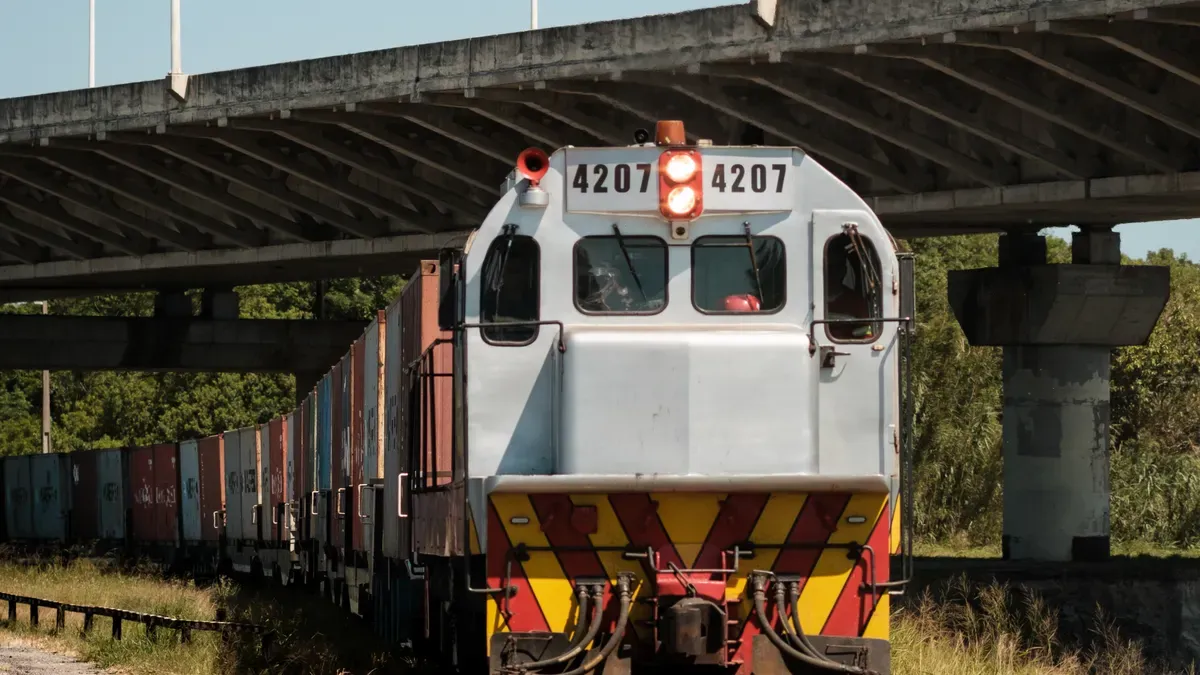
Reduced friction directly improves fuel efficiency and lowers energy consumption for railway operations. When wheel flanges and rails experience less resistance, trains require less power to move along the tracks. This is particularly true when trains navigate curves. The energy savings translate into significant reductions in fuel costs for railway companies. Studies have shown that effective lubrication can lead to substantial energy conservation.
For instance, industry analyses indicate that proper wheel flange lubrication can improve overall fuel efficiency by approximately 2%. More detailed Monte Carlo analyses suggest a probable range of 1.8% to 4.3% in energy savings. A specific test track study found a 3.2% reduction in energy consumption for lubricated locomotives. These figures demonstrate the direct financial benefits of implementing effective lubrication strategies. Less fuel burned also means fewer emissions, contributing to environmental goals.
Enhancing Train Performance
Lubrication significantly enhances train performance by enabling smoother and more reliable train operation. Reduced friction at the wheel-rail interface allows trains to negotiate curves with less effort. This minimizes lateral forces and reduces wear on both the wheels and the track. Smoother curve negotiation leads to a more stable ride for passengers and cargo. It also reduces stress on the train’s components.
Improved performance also means trains can maintain more consistent speeds. This reduces delays and improves schedule adherence. The decreased resistance from friction allows locomotives to operate more efficiently, leading to better overall operational flow. This reliability is crucial for maintaining tight schedules and ensuring the timely delivery of goods and passengers. Ultimately, effective lubrication contributes to a more robust and dependable railway system.
Enhancing Safety and Reliability
Preventing Rail Damage
Lubrication significantly contributes to preventing rail damage. It reduces the intense friction and stress that occur when train wheels interact with the rail, especially on curves. This reduction in stress helps avoid common rail defects. These defects include fatigue cracks, corrugation, and gauge corner shelling. Without proper lubrication, the constant metal-on-metal grinding can quickly degrade the rail structure. This leads to costly repairs and potential safety hazards.
Preventing these types of rail damage directly enhances railway safety. Damaged rails can lead to serious incidents, including derailments. By maintaining a protective lubricant layer, railway operators ensure the structural integrity of the tracks. This proactive approach minimizes the risk of rail breaks or other failures that could compromise train stability. It also reduces the need for emergency track repairs, keeping railway lines operational and safe for continuous use.
Reducing Noise and Vibrations
Wheel flange lubrication plays a vital role in reducing noise and vibrations generated by trains. When train wheels negotiate curves, the friction between the wheel flange and the rail gauge corner often creates a high-pitched “squeal” noise. This noise results from stick-slip motion at the contact point. Lubrication introduces a film that smooths this interaction. It prevents the rapid build-up and release of energy that causes the squealing sound.
Implementing flange lubrication has shown significant reductions in curve squeal noise, particularly in urban transit systems. Tests using a drilled-hole lubrication system measured noise reductions between 2 to 16 dB in the 2 kHz to 20 kHz frequency range. Furthermore, systems combining gauge-face/wheel-flange lubrication with top-of-rail friction modifiers in underground stations achieved an average overall noise reduction of 7.3 dBA. These systems also showed an average reduction of 5.2 dBA at low frequencies (31.5 – 200 Hz) and a more substantial 13.3 dBA average at high frequencies (1,000 – 20,000 Hz). These reductions improve the quality of life for communities near railway lines and enhance the comfort for passengers.
Economic and Environmental Impact
Lowering Maintenance Expenses
Wheel flange lubrication significantly reduces maintenance expenses for railway operators. It extends the lifespan of critical components. Reduced friction means less wear on both wheel flanges and rail tracks. This directly translates into fewer replacements and lower material costs. A study from the Railway Tie Association found that lubricated rails can withstand almost double the tonnage of unlubricated rails before needing replacement. This significantly extends the rail’s potential lifespan.
Effective lubrication also provides substantial financial savings. Data shows an 80% reduction in rail wear after 12 months. Wheelset lifespan doubled from 110,000 km to 210,000 km. These improvements lead to annual cost savings of £2,365 per locomotive section. Furthermore, extending the service interval from four to six years can bring savings of about $3,400 per bogie per year. These figures highlight the direct economic benefits of investing in proper lubrication.
Promoting Sustainable Rail
Wheel flange lubrication plays a crucial role in promoting sustainable rail transport. It reduces energy consumption by minimizing friction and wear. This directly lowers fuel usage per journey. The product’s low friction coefficient carbon material directly cuts energy demand. This contributes to a smaller carbon footprint for the entire fleet.
Lubrication also preserves materials. It extends wheel flange and rail gauge life. This means fewer replacement parts are necessary over an asset’s lifetime. Reducing the need for new material production lowers the embodied carbon associated with manufacturing. The manufacturer’s solution aims to reduce fleet consumption while avoiding pollutant release. Automatic wheel flange and rail lubrication systems are cited as a solution to reduce friction and noise, particularly when crossing curves. This contributes to the rail industry’s sustainability efforts by mitigating noise pollution, a key environmental impact addressed in broader low-carbon and sustainability frameworks.
Wheel flange lubrication holds fundamental importance for modern railway operations. Its multifaceted role directly contributes to enhanced efficiency, improved safety, and substantial cost savings. This process also significantly promotes environmental responsibility. Effective lubrication is not merely a routine maintenance task. Instead, it represents a strategic investment in the future of rail transport. It ensures smoother, quieter, and more sustainable operations across the entire railway system. This seemingly small detail has a profound and lasting impact on the industry’s performance and its ecological footprint. Railway operators recognize its value for long-term success and operational integrity.
FAQ
What is the primary goal of wheel flange lubrication?
The primary goal is to reduce friction between train wheel flanges and rail gauge corners. This action prevents metal-on-metal contact. It minimizes wear on both wheels and rails. This process extends component lifespan and ensures smoother train operation.
How does lubrication contribute to better fuel economy?
Lubrication reduces friction. Trains then require less power to move along the tracks. This lowers energy consumption. It directly translates into significant fuel savings for railway operators. Studies show fuel efficiency improvements around 2%.
What safety advantages does wheel flange lubrication offer?
Lubrication prevents rail damage such as fatigue cracks and corrugation. It reduces the risk of derailments. It ensures the structural integrity of tracks. This makes railway operations safer and more reliable for all users.
How does wheel flange lubrication help reduce noise?
It creates a protective film between the wheel and rail. This film smooths their interaction. It prevents the high-pitched “squeal” noise from stick-slip motion. This significantly reduces noise, especially in urban areas.
What types of systems apply Wheel-Flange Mechanism Grease?
Railway operators use on-board systems mounted on trains. They also use wayside systems installed along the track. Both methods ensure the lubricant reaches critical contact points. This includes applying Wheel-Flange Mechanism Grease effectively.
See Also
Solving Modern Automotive Engineering Challenges With Advanced FAKKT Greases
Key Qualities That Make High Performance Industrial Grease Truly Exceptional
Boosting Vehicle Reliability Using FAKKT-GC874K High Tech Synthetic Grease
How Understanding Grease Colloidal Stability Directly Impacts Overall Performance
FAKKT-UB 45001 Sets The Ultimate Tribological Standard In Performance