


For optimal performance of your wiper motor reduction gears in 2026, you need high-performance synthetic, lithium-based or silicone-based greases. These advanced lubricants are your ideal choice. They provide excellent low-temperature stability, ensuring smooth operation even in harsh winter conditions. You will also find high shear resistance, which prevents breakdown under constant stress and movement. Good water washout protection is another critical attribute, safeguarding your gears from moisture damage and corrosion. Manufacturers specifically formulate these greases for plastic-on-plastic or plastic-on-metal gear applications. This ensures maximum compatibility and longevity for your vehicle’s wiper system. Selecting the correct Wiper Motor Reduction Gear Grease guarantees reliable, quiet wipes every time you need them.
Key Takeaways
Select synthetic lithium or silicone greases to ensure smooth wiper operation during extreme weather.
Check gear materials first because wrong greases cause plastic parts to swell or crack.
Pick NLGI Grade 1 or 2 grease with strong water resistance to prevent rust.
Apply dielectric grease on electrical contacts to protect motor connections from moisture damage.
Clean out old grease completely before you apply a thin layer of new lubricant.
Understanding Wiper Motor Gears and Lubrication Needs
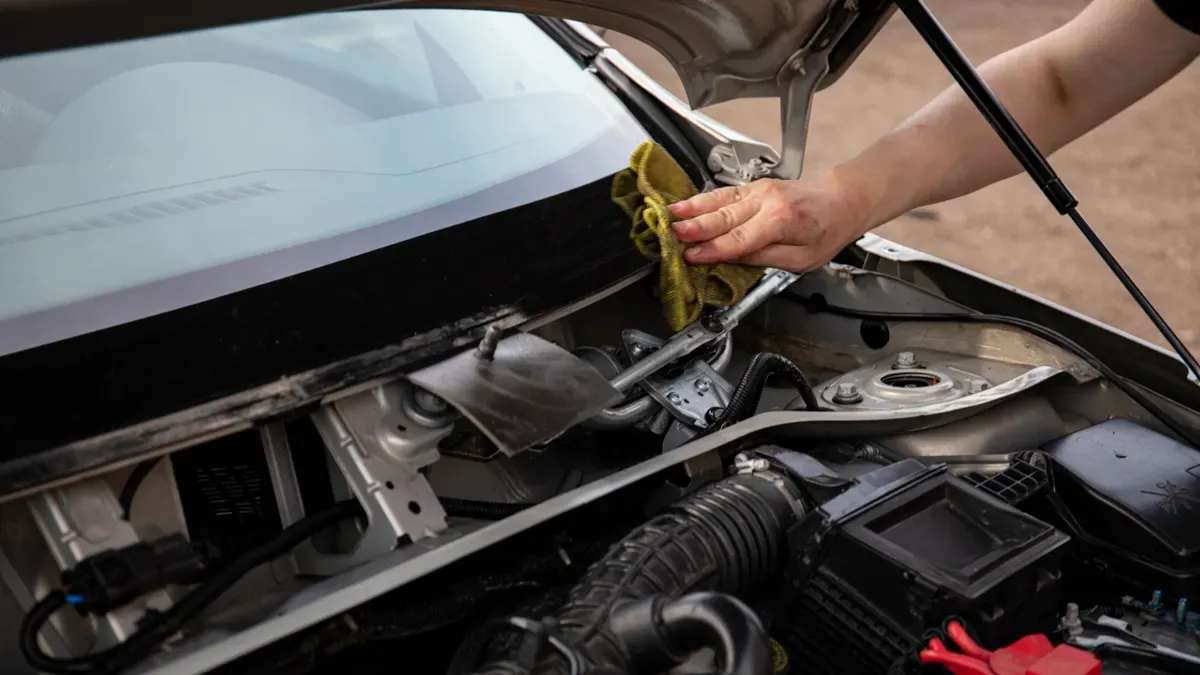
Wiper Motor Gears: Function and Lubrication Needs
Wiper motor gears play a crucial role in your vehicle. They convert the motor’s rotational energy into the oscillating motion needed for your windshield wipers. This system faces unique challenges. You experience temperature fluctuations, from freezing cold to scorching heat. The gears also endure intermittent use and constant vibration. These conditions demand specialized lubrication.
Proper lubrication is critical for the gearbox’s longevity and efficiency. During final assembly, manufacturers integrate the DC motor and gearbox into a complete unit. High-quality synthetic greases are applied to the gear teeth and bearings. The lubricant must provide adequate film strength. This prevents metal-to-metal contact. It must also maintain appropriate viscosity across the operating temperature range. When temperatures drop, lubricants become thicker and flow poorly. This increases friction between moving parts. Your motor must then work harder. Conversely, extreme heat can cause lubricants to break down or thin out excessively. This leads to inadequate protection and accelerated wear. Over-lubrication increases friction and reduces efficiency, while under-lubrication accelerates wear.
Gear Materials and Grease Compatibility
Wiper motor gears often consist of plastic-on-plastic or plastic-on-metal components. You must choose a grease that is compatible with these materials. Incompatible greases can cause plastics to swell, crack, or degrade over time. This leads to premature gear failure. Therefore, selecting the correct Wiper Motor Reduction Gear Grease is essential.
High operating temperatures, generated by friction in gear systems, directly challenge lubricant stability. When a lubricant cannot withstand these temperatures, it undergoes oxidation. This chemical breakdown produces acidic byproducts. These byproducts corrode and wear down the metal surfaces of the gears. Selecting a lubricant specifically formulated to withstand high temperatures, for example, up to 125°C, is critical. This prevents accelerated degradation and ensures long-term gear protection for your plastic and metal components.
Key Grease Characteristics for Wiper Motors
Viscosity, Temperature Range, and Plastic Compatibility
You must consider grease viscosity for optimal wiper motor performance. The National Lubricating Grease Institute (NLGI) grade indicates grease consistency. An NLGI Grade 1 or 2 is generally ideal for wiper motor reduction gears. Using anything too thick will cause your wipers to move slowly. This also strains the motor. You need a grease that allows the motor to operate efficiently without excessive resistance.
Temperature range is another critical factor. Wiper motors operate in diverse climates. For high temperatures or hot climates (above 35°C ambient), you need greases like lithium complex or polyurea. These greases offer a high dropping point, resisting melting up to 180°C. They also provide oxidation stability, preventing breakdown. In contrast, for low temperatures or cold climates (below -10°C ambient), calcium complex or lithium complex greases with synthetic base oils are better. These ensure low-temperature pumpability and low starting torque, allowing your motor to start easily even at -40°C. For variable temperatures, lithium complex or calcium sulfonate complex greases with synthetic base oils maintain mechanical stability across a wide range, from -30°C to +150°C.
Water Resistance, Shear Stability, and Noise Reduction
Your chosen grease must offer excellent water resistance. This protects the gears from moisture ingress. Water can lead to corrosion and lubricant degradation. Good water resistance ensures the grease stays in place and continues to protect the moving parts. This is especially important in a vehicle component exposed to rain and snow.
Shear stability is also vital. This property describes the grease’s ability to maintain its consistency and structure under mechanical stress. Wiper motor gears experience constant shearing forces. A grease with high shear stability will not thin out or break down over time. This ensures continuous lubrication and protection. You will also find that proper lubrication significantly reduces operational noise. A well-greased system runs quietly. For these reasons, white lithium grease is a very effective choice. You should use NLGI2 lithium grease on the wiper rack as well. This ensures smooth, quiet operation across the entire wiper system.
Top Wiper Motor Reduction Gear Grease Types
Synthetic Lithium and Silicone Greases
You have several excellent choices for Wiper Motor Reduction Gear Grease. Synthetic lithium greases offer superior performance. They provide exceptional temperature stability and high shear resistance. These properties ensure your wiper motor operates smoothly in various conditions. You will find them ideal for demanding applications where consistent lubrication is paramount. These greases resist breakdown under continuous stress. They maintain their protective film even with frequent use.
Silicone-based greases are another top contender. They excel in plastic and rubber compatibility. This makes them particularly suitable for wiper motor components. You need to consider how different greases interact with materials. For example, white lithium grease can cause swelling over time in both plastic and rubber components. This swelling can lead to premature failure of seals or plastic gears. Synthetic (PAO) grease is acceptable for plastic but not for rubber. However, silicone grease shows good compatibility with both plastic and rubber. This makes silicone grease a versatile option for your wiper system. Many experts recommend silicone grease for the cam and boot area of your wiper motor. This specific application benefits greatly from its non-reactive properties. It is also often cited as the overall winner for wiper transmission lubrication based on extensive research. You can use Dow Corning Molykote 33, a specific silicone-based grease. It is safe for plastic components and maintains effectiveness across a wide temperature range. This particular grease ensures your plastic gears remain intact and functional. It also provides consistent lubrication from extreme cold to high heat, preventing sluggish operation.
PTFE-Enhanced and Traditional Options
Beyond synthetic lithium and silicone, you can explore other effective greases. PTFE-enhanced greases incorporate polytetrafluoroethylene. This additive significantly reduces friction. It provides a very slick surface. This helps your gears move with minimal resistance. You will notice smoother operation and reduced wear on critical components. The PTFE particles fill microscopic imperfections on gear surfaces. This creates a low-friction barrier. This barrier extends the life of your wiper motor.
Traditional white lithium grease remains a popular choice for many applications. It is very effective for general lubrication. However, you must remember its potential for causing swelling in plastic and rubber components over time. Always check compatibility with your specific wiper motor materials before application. This precaution prevents unexpected damage. For nylon components, you should consider Red Rubber Grease. This specialized grease is formulated to be compatible with nylon. It ensures proper lubrication without degradation or material breakdown. It maintains the integrity of your nylon gears. You can also use a good quality non-moly bearing grease. These greases offer robust protection for metal-on-metal gear applications. They provide excellent film strength. This prevents wear and tear. They are designed to withstand high pressures and maintain lubrication.
Finally, consider the electrical contacts within your wiper motor assembly. You should apply dielectric grease to the parking electrical contacts. This grease does not lubricate the gears directly. Instead, it protects electrical connections from moisture and corrosion. It ensures reliable electrical signaling for your wiper motor’s parking function. This prevents intermittent operation or complete failure of the parking mechanism. You will maintain consistent electrical conductivity. This ensures your wipers always return to their correct resting position. This small step contributes significantly to the overall reliability of your wiper system.
Choosing Wiper Motor Gear Grease: Key Factors
Vehicle Recommendations and Gear Material
When you choose a grease for your wiper motor, you must first consult your vehicle’s service manual. Manufacturers often specify the exact type of lubricant for your wiper motor. This recommendation is crucial. It ensures you use a grease compatible with your vehicle’s specific gear materials and operating conditions. Following these guidelines helps maintain your warranty. It also guarantees optimal performance. Sometimes, the manual might suggest a generic type, like “lithium grease.” Other times, it provides a specific product number. Always prioritize the manufacturer’s advice.
You also need to consider the gear material itself. Wiper motor gears frequently consist of plastic-on-plastic or plastic-on-metal components. Incompatible greases can cause significant damage to these materials. For example, some greases can make plastic gears swell. This swelling leads to increased friction and premature wear. Other greases might cause plastics to crack or become brittle over time. This compromises the gear’s structural integrity. You might find gears made from nylon, acetal, or other specialized plastics. Each material has unique compatibility requirements. Silicone-based greases often work well with most plastics and rubber. They do not cause swelling or degradation. For nylon gears, a specialized product like Red Rubber Grease offers excellent compatibility. If you cannot find specific documentation, visually inspect the existing grease and gear material. This helps you make an informed decision. Choosing the correct Wiper Motor Reduction Gear Grease prevents costly repairs.
Climate, Budget, and Availability
Your local climate plays a significant role in grease selection. Wiper motors operate in a wide range of temperatures. In extremely cold conditions, grease can thicken considerably. This increased viscosity makes the motor work harder. You will notice slower wiper speeds and increased strain on the motor. Conversely, extreme heat can cause grease to thin out. It might even break down. This reduces its protective qualities. You need a grease with a wide operating temperature range. This ensures consistent performance in all seasons. For very cold climates, choose greases with synthetic base oils. These maintain low-temperature fluidity. For very hot climates, select greases with a high dropping point. These resist melting and offer excellent oxidation stability.
Your budget is another practical consideration. High-quality synthetic greases often have a higher initial cost. However, this cost is an investment. It provides superior protection and extends the life of your wiper motor. Using a cheap, general-purpose grease might save money upfront. It can lead to premature wear and motor failure. Replacing a wiper motor is far more expensive than investing in the right grease. Therefore, prioritize quality over immediate savings.
Finally, consider the availability of your chosen grease. Some specialized lubricants might require online ordering. You might need to purchase them from specific automotive suppliers. Ensure you can easily obtain the recommended product. It is also wise to have a suitable alternative in mind. This helps if your primary choice is unavailable. Using a compatible, readily available grease is always better than using an incompatible one. It is also better than operating the motor without proper lubrication.
Proper Grease Application for Wiper Motors
Cleaning Old Grease and Applying New
Proper grease application is crucial for your wiper motor’s longevity. First, you must disassemble the motor gearbox. Carefully remove all components. You will see the old, possibly hardened or contaminated grease. You must thoroughly clean all existing grease from the gears, housing, and other moving parts. Use a suitable degreaser or solvent. Ensure no debris or residue remains. This step prevents contamination of the new lubricant. It also ensures optimal performance.
After cleaning, you can apply the new grease. For heavy-load gearboxes, like those found in wiper motors, you should apply molybdenum disulfide grease. This is a high-quality EP (Extreme Pressure) grease. Specifically, an NLGI Grade 2 is specified for worm gear sets, which are common in these applications. This grease should have a minimum operating range of -20°C to +120°C. This wide range ensures protection in various climates. Apply a thin, even layer to the gear teeth. Do not over-lubricate. Too much grease can create resistance. This makes the motor work harder.
Reassembly and Testing
Once you have applied the fresh grease, carefully reassemble the wiper motor gearbox. Ensure all gears, shafts, and seals are correctly seated. Pay close attention to any alignment marks or specific torque settings for fasteners. Incorrect reassembly can lead to premature wear or malfunction. Double-check all connections. Make sure they are secure.
After reassembly, you must test the wiper motor. Connect it to a power source. Observe its operation. The wipers should move smoothly across the windshield. Listen for any unusual noises, such as grinding or squealing. These sounds indicate a problem with the lubrication or assembly. The motor should operate quietly. It should complete its full range of motion without hesitation. This final test confirms your proper application of Wiper Motor Reduction Gear Grease. It ensures reliable wiper performance.
You now understand the best choices for your wiper motor reduction gears in 2026. Prioritize synthetic, lithium-based, or silicone-based greases. These advanced lubricants offer excellent temperature stability, ensuring consistent performance in any climate. You will also find superior plastic compatibility, which protects your gears from degradation and damage. High shear resistance prevents lubricant breakdown, keeping your wipers working smoothly under stress. Selecting the right Wiper Motor Reduction Gear Grease guarantees quiet, reliable operation. This careful choice ensures your wipers function perfectly for many years. You make a smart investment in your vehicle’s long-term maintenance and safety.
FAQ
Can I use any grease for my wiper motor?
No, you cannot use just any grease. You need specific synthetic, lithium-based, or silicone-based greases. These types offer excellent temperature stability and plastic compatibility. Using the wrong grease can damage your gears.
How often should I re-grease my wiper motor?
You should re-grease your wiper motor when you notice sluggish operation or unusual noises. There is no fixed schedule. Regular inspection during other vehicle maintenance helps you determine when to re-lubricate.
What happens if I use the wrong grease?
Using the wrong grease can cause significant problems. Incompatible greases can make plastic gears swell or crack. This leads to increased friction and premature motor failure. You might also experience poor performance.
Is white lithium grease always bad for plastic?
White lithium grease is effective for general lubrication. However, it can cause swelling in some plastic and rubber components over time. Always check compatibility with your specific wiper motor materials before applying it.
Can I mix different types of grease?
You should avoid mixing different types of grease. Mixing can lead to chemical incompatibilities. This reduces the effectiveness of both lubricants. It can also cause premature breakdown and damage to your wiper motor gears.
See Also
Boosting Automotive Reliability Using Advanced FAKKT-GC874K Synthetic Grease Solutions
How Innovative FAKKT Grease Solutions Solve Modern Automotive Challenges
Key Features That Make High Performance Industrial Grease Truly Exceptional
Understanding Grease Colloidal Stability And Its Direct Impact On Performance
FAKKT-UB 45001 Sets The New Tribological Standard In Industry