


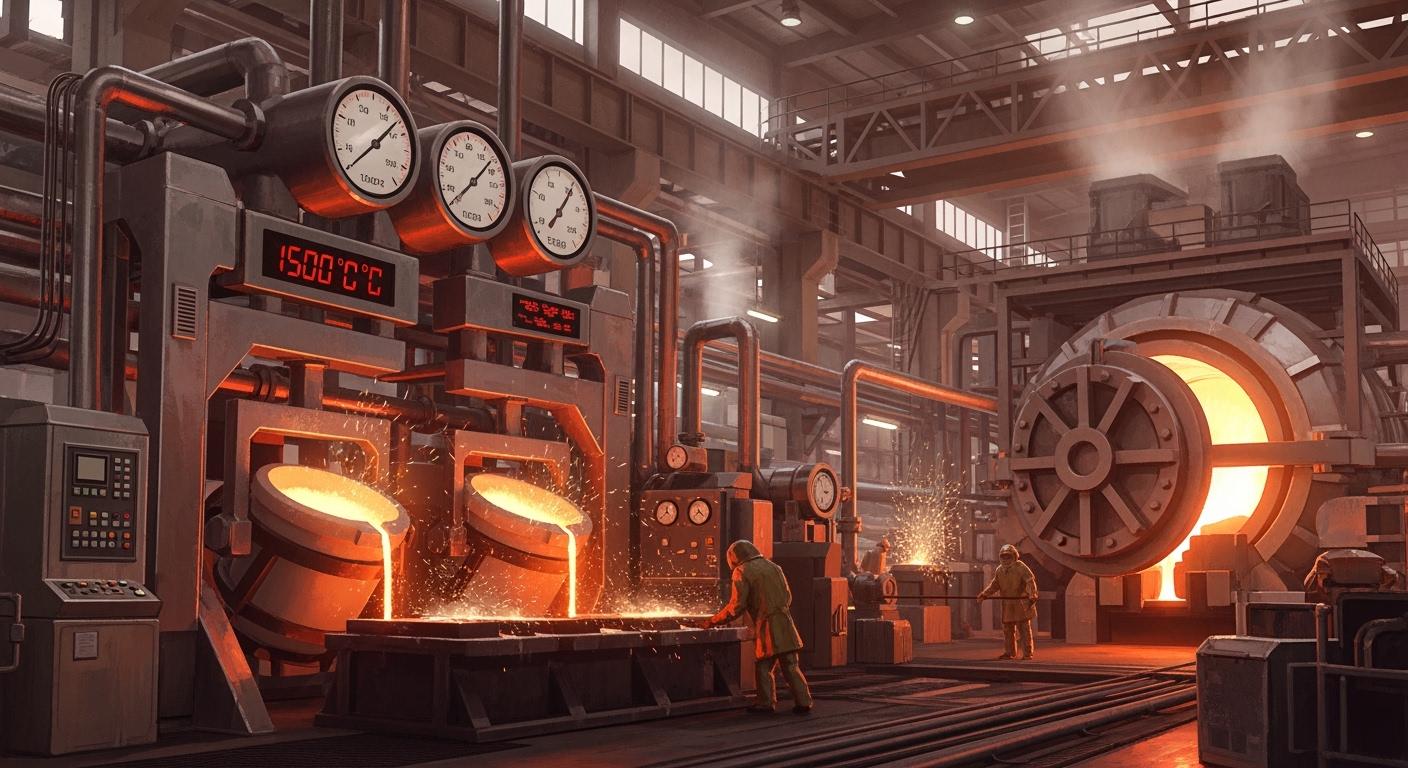
Stability in high-temperature applications is very important for performance and safety. When you use machines at high temperatures, you have special challenges. These challenges can cause materials to break down and systems to fail. Knowing these risks helps you create good plans for long-term stability. By focusing on stability, you make your operations more reliable and protect your investments.
Key Takeaways
Focus on making systems work better in high heat. Use better materials and designs to lower risks.
Keep safety a priority by knowing heat stress factors. Follow safety rules and train workers in hot areas.
Choose materials carefully to stop damage. Pick options like PEEK and superalloys that resist heat and stay strong.
Use good thermal management methods. Use heat sinks and liquid cooling to keep temperatures steady and improve reliability.
Check equipment often and use predictive maintenance. These steps help find problems early and make high-temperature tools last longer.
High-Temperature Performance
System Efficiency
In high-temperature situations, system efficiency is very important. You want your machines to work well, even in tough conditions. Many parts are now made to work in very high temperatures. These parts save time for engineers and lower the chance of problems. By using new technology and good design practices, you can make sure your systems work great.
When temperatures go too high, problems happen. For example, battery cells have more internal resistance. This means they lose energy and create more heat. Over time, these issues can really lower how well the system works. So, keeping the right operating conditions is key for long-term performance.
Safety Considerations
Safety is very important in high-temperature areas. You need to know the dangers that can happen. Here are some common things that cause heat stress:
Factors Contributing to Heat Stress | Description |
|---|---|
Environmental Conditions | Includes air temperature, humidity, sunlight, and air speed, especially on consecutive days. |
Presence of Heat Sources | Such as hot tar ovens or furnaces in the work area. |
Level of Physical Activity | The workload leading to body heat production. |
Use of Protective Gear | Clothing that can reduce the body’s ability to lose excess heat. |
Individual Risk Factors | Personal characteristics that may increase susceptibility to heat stress. |
It’s important to know that 50% to 70% of outdoor deaths happen in the first few days of working in warm places. Heavy work with warm weather raises the risk of heat illness. To keep yourself and your team safe, always follow safety rules and get proper training.
There are also rules to improve safety in high-temperature jobs. For example, OSHA rules focus on worker safety and material strength. Knowing these rules helps you make a safer workplace.
By focusing on system efficiency and safety, you can achieve long-term stability in high-temperature applications.
Risks of High Temperatures
Material Degradation
High temperatures can really harm materials. When materials get very hot, they change in ways that can weaken them. Here are some common types of damage you should know about:
Type of Degradation | Description |
|---|---|
Creep | Slow change in shape under steady pressure over time. |
Oxidation | Damage from reacting with oxygen when it’s hot. |
Thermal Fatigue | Harm from repeated heating and cooling. |
Mechanical Wear | Damage from rubbing and stress on materials. |
Knowing about these types of damage helps you pick the right materials for your needs. For example, if oxidation is a problem, you might choose materials that resist rust better. This smart choice can help your systems last longer.
System Failures
System failures often happen when materials are too hot for too long. These failures can cause serious problems, like safety risks and money loss. Here are some main dangers of high temperatures:
Long exposure can cause serious health issues.
Higher death rates are linked to very hot weather.
Work output drops because of high heat.
In factories, even a small rise in temperature can make a big difference. For instance, a 1°C increase can lead to a 2.5% drop in production. Areas like wholesale and retail might see losses of up to 6.1%. This shows how important it is to keep an eye on temperatures.
By understanding the dangers of material damage and system failures, you can take steps to fix these problems. Using good design and maintenance will help you keep things stable in high-temperature situations.
Environments for High-Temperature Applications
Aerospace Applications
Aerospace applications need parts that can handle high temperatures. Components like turbine engine blades and combustion chambers must work in extreme heat over 1,000°C. These parts face problems like creep, oxidation, and thermal cycling fatigue. You need to choose materials carefully to keep them strong under high heat.
To solve these problems, aerospace engineers use special coating technologies. These coatings make parts last longer in extreme heat. They also use advanced manufacturing methods to make parts stronger while saving time. Testing and checking are very important to ensure long-lasting reliability in high-temperature applications.
Industrial Manufacturing
In industrial manufacturing, high-temperature processes happen often. These processes can affect the stability of working fluids. They can hurt system performance and greatly shorten the life of parts. For example, fluids exposed to high heat can break down. This includes a big drop in fluid thickness, which happens quickly as temperatures rise.
High-temperature conditions can cause serious problems. Regular maintenance and checking of equipment are very important to avoid issues and keep temperatures stable. Training workers on the importance of stable temperatures is key.
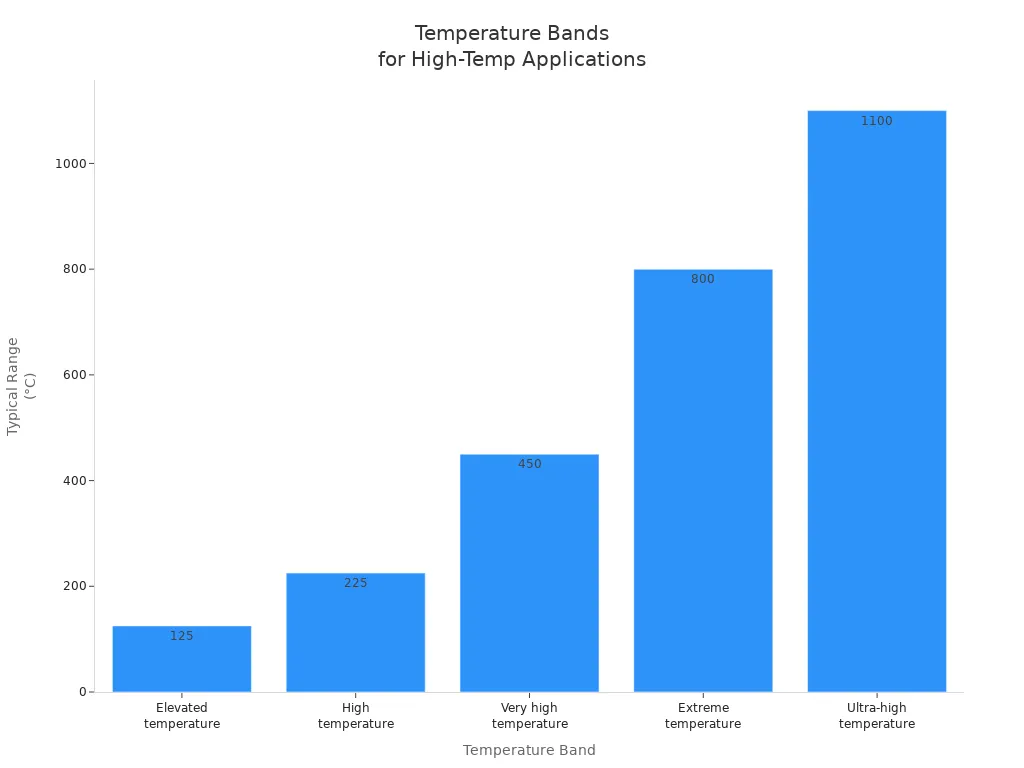
Here are some common high-temperature situations in industrial manufacturing:
Temperature band | Typical range | Common scenarios |
|---|---|---|
Elevated temperature | 100–150 °C | Warm electronics housings, light under-hood exposure |
High temperature | 150–300 °C | Continuous hot air, tooling near heat sources, many high-temp plastics |
Very high temperature | 300–600 °C | Exhaust systems, hot manifolds, industrial furnaces |
Extreme temperature | 600–1000 °C | Turbine hot-sections, high-temp fasteners, some nickel alloys |
Ultra-high temperature | 1000 °C+ | Specialized superalloys, ceramics, thermal barrier systems |
By knowing about these environments, you can get ready for the challenges of high-temperature applications. Using good strategies will help you achieve long-term stability in your operations.
Design for Long-Term Stability

Material Selection
Picking the right materials is key for long-term stability in high heat. You need materials that can handle tough conditions without breaking down. Here are some important things to think about when choosing materials:
High Glass Transition Temperatures (Tg): Pick materials that stay strong and flexible in high heat. This makes sure they don’t lose their strength.
Low Coefficients of Thermal Expansion (CTE): Materials with low CTE help stop stress from temperature changes. This lowers the chance of cracks or bends.
Oxidation and Corrosion Resistance: Find materials that fight against rust and wear. This is super important in hot places with reactive gases.
Some good materials for high heat are:
PEEK: Stays strong above 250°C and fights off radiation and chemicals.
PTFE: Known for not reacting with chemicals and being slippery, great for non-stick uses.
Superalloys: Very hard and good at moving heat, making them work well in hot spots.
By picking the right materials, you can stop problems like heat damage, rust, and wear. This makes things last longer and work better, keeping your systems running well.
Thermal Management
Good thermal management is needed to keep systems stable in high heat. You can use different ways to manage heat well:
Heat Sinks: Use these to move heat away from important parts. This keeps temperatures just right.
Liquid Cooling Systems: Think about using liquid cooling for better heat removal. It needs more setup but makes things more reliable.
Thermal Integration: Mix thermal management with other processes to save energy. This helps use waste heat, which is good for system performance.
Here are some smart thermal management ideas:
Redundant Cooling Pathways: These make systems more reliable by giving extra ways to get rid of heat.
Load-Balancing Mechanisms: Spread cooling power based on need to keep temperatures steady.
Advanced Control Systems: Use sensors and smart tools to watch and change temperatures as needed.
Keeping things cool with the right thermal system helps them last longer and work better. Most importantly, reliable systems keep things safe. By focusing on both picking materials and managing heat, you can keep things stable in high heat.
Maintenance for Stability
Regular Inspections
Regular inspections are very important for keeping high-temperature systems stable. You should use infrared thermography to check equipment temperatures. This helps make sure they work well. Keep the system at least 40% loaded for good thermal imaging. Make inspection checklists that fit specific assets for better evaluations. Combine inspections with preventive maintenance programs to boost reliability. Regularly compare thermal images to baseline data to spot changes in equipment condition.
Think about safety by making sure guards are in place and lockout/tagout rules are followed. Check mechanical conditions like how tight fasteners are, belt tension, and bearing temperatures. Make sure oil levels are good and grease points are serviced. Look for leaks at seals and gaskets. Check for exposed wiring and working indicator lights. More frequent inspections are needed for critical assets and tough operating environments. Follow OEM guidelines for minimum inspection times and change inspection frequency based on past failure data.
Predictive Maintenance
Predictive maintenance technologies greatly help the stability and lifespan of high-temperature equipment. These systems predict failures using data like vibration, temperature, and wear patterns. This lets you plan repairs and order spare parts ahead of time. By finding early issues, predictive maintenance allows you to take action before problems get worse, which helps equipment last longer.
Predictive maintenance systems use real-time data to improve operating conditions. This makes sure high-temperature equipment works within the best limits. By looking at sensor data, teams can change settings to lessen stress on equipment parts. Early actions stop critical assets from getting worse, which helps them last longer. Using predictive maintenance strategies ensures long-term stability and makes your operations more reliable.
To keep things stable in high-temperature applications, you need to take action. Focus on choosing the right materials, managing heat, and doing regular maintenance. Here are some good strategies:
Automotive Engine Control Unit (ECU): Engineers used high-Tg FR-4 material to spread heat, making it reliable at 150°C.
Downhole Drilling Instrumentation: Polyimide laminates with high-temperature solder paste stayed stable above 175°C.
Satellite Transmitter: Special coatings protected parts from tough conditions, proving they work well beyond 150°C.
By using these best practices, you can make your systems more reliable and safe. Always test thoroughly and design carefully to help your operations succeed in high-temperature areas. 🌡️
FAQ
What are the main risks of high temperatures in applications?
High temperatures can harm materials. This can lead to problems like creep, oxidation, and thermal fatigue. These issues can cause system failures, safety risks, and higher maintenance costs.
How can I improve thermal management in my systems?
You can improve thermal management by using heat sinks, liquid cooling systems, and thermal integration. These methods help keep temperatures right and make systems more reliable.
What materials are best for high-temperature applications?
Materials like PEEK, PTFE, and superalloys are great for high heat. They resist damage and stay strong in extreme conditions, which helps with long-term stability.
How often should I conduct inspections on high-temperature equipment?
You should check your equipment regularly based on how important it is and how it operates. Frequent checks help find problems early and keep systems stable.
What is predictive maintenance, and how does it help?
Predictive maintenance uses sensor data to predict when equipment might fail. This lets you plan repairs ahead of time, which reduces downtime and helps your high-temperature systems last longer.
See Also
FAKKT-UB 45001: A Key Standard for High-Performance Tribology
Exploring Grease Colloidal Stability and Its Performance Effects
Technical Update: Boosting Automotive Reliability Using FAKKT-GC874K Grease
Key Factors That Define Exceptional High-Performance Industrial Grease
Innovative FAKKT Grease Solutions Addressing Today’s Automotive Issues