



In industries where temperatures soar, ultra-high temperature grease plays a crucial role. This specialized lubricant ensures that machinery operates smoothly under extreme conditions. You need reliable solutions to prevent wear and tear caused by heat. Regular lubricants often fail in these environments, leading to costly downtimes. With ultra-high temperature grease, you enhance performance and protect your equipment from the harshest elements.
Key Takeaways
Ultra-high temperature grease ensures machinery operates smoothly in extreme heat, preventing wear and costly downtimes.
Its specialized formulation includes base oils, thickeners, and additives that enhance thermal stability and reduce friction.
Industries like manufacturing, mining, and aerospace rely on this grease to improve equipment reliability and safety.
Synthetic greases offer longer service life and better performance under high temperatures compared to mineral-based options.
Choosing the right grease involves considering temperature range, material compatibility, and specific performance needs.
Definition of Ultra-high Temperature Grease
Ultra-high temperature grease is a specialized lubricant designed to perform in extreme thermal environments. It plays a vital role in ensuring the smooth operation of machinery subjected to high heat. This grease is essential for preventing wear and tear, which can lead to costly downtimes and equipment failures.
Composition and Properties
The formulation of ultra-high temperature grease sets it apart from conventional lubricants. It typically consists of several key components:
Component | Description |
|---|---|
Base Oil | Constitutes up to 90% of the formulation, significantly affecting performance and economy. |
Thickener | Provides properties like adhesiveness, resistance to washout, and oil separation. |
Additives | Enhances aspects such as thermo-oxidative stability and anti-wear properties, typically up to 4%. |
Solid Lubricants | Examples include PTFE and graphite, which reduce friction and enhance protection at high temperatures. |
These components work together to create a grease that can withstand temperatures exceeding 500°F (260°C) without losing its lubricating properties. Unlike conventional greases, ultra-high temperature greases utilize thickeners with higher dropping points and better thermal stability. This ensures that they maintain their effectiveness even in the harshest conditions.
Importance in Industry
The significance of ultra-high temperature grease in various industries cannot be overstated. Heavy industry sectors, such as manufacturing, mining, and energy, rely heavily on this specialized lubricant. Here are some reasons why it is essential:
Manufacturing: It maintains equipment reliability and reduces downtime, which is crucial for operational efficiency.
Mining: Machinery often operates in extreme conditions, making high-temperature grease critical for performance.
Energy: Efficient operation of high-load equipment depends on the use of ultra-high temperature grease.
In fact, over 40% of machine failures are linked to inadequate lubrication due to oxidative breakdown. By selecting the right grease, you can enhance equipment reliability and prevent costly failures. Regular monitoring of grease condition is also vital to ensure optimal performance.
Applications of Ultra-high Temperature Grease
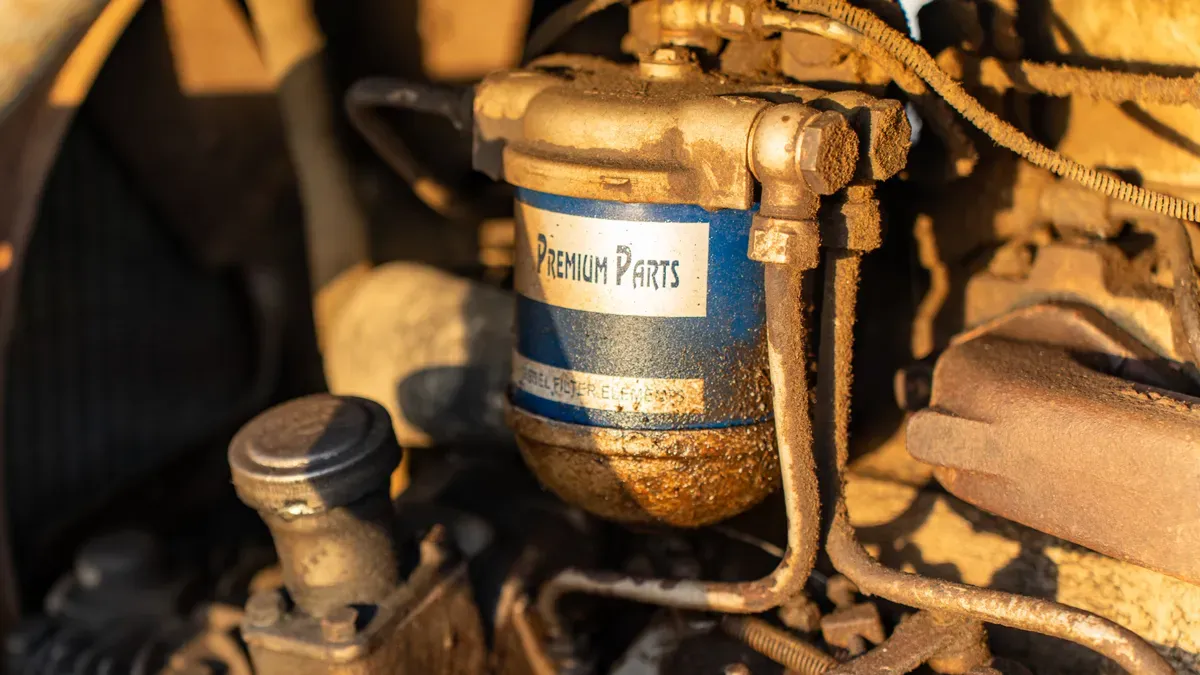
Ultra-high temperature grease finds its place in various industries, where it plays a vital role in ensuring machinery operates efficiently under extreme conditions. Here are some key sectors that benefit from this specialized lubricant:
Automotive Industry
In the automotive sector, ultra-high temperature grease is essential for maintaining performance and safety. You will find it used in critical components such as brake systems and bearings. For instance, the FAKKT-GC918 excels in preventing brake pads from seizing due to heat. This grease reduces friction and noise, ensuring smooth operation. Its anti-oxidation and anti-rust properties enhance the longevity of automotive parts, making it a preferred choice for manufacturers and mechanics alike.
Aerospace and Aviation
The aerospace industry demands the highest standards of performance and reliability. Ultra-high temperature grease is crucial for components exposed to extreme temperatures and pressures. You can find it in engines, landing gear, and other critical systems. The ability of ultra-high temperature grease to withstand high thermal loads without breaking down ensures that aircraft operate safely and efficiently. This reliability is vital for maintaining safety standards in aviation.
Manufacturing and Heavy Machinery
Manufacturing processes often involve heavy machinery that operates under intense conditions. Ultra-high temperature grease is indispensable in this environment. Here are some examples of heavy machinery that rely on this specialized lubricant:
Steel mill bearings operate at continuous temperatures as high as 149° C (300° F).
Drying ovens for curing surface coatings operate at approximately 204° C (400° F).
Using ultra-high temperature grease in these applications helps prevent wear and tear, ensuring continuous operation and reducing downtime. By selecting the right grease, you can enhance the reliability of your manufacturing processes and protect your investment in machinery.
Benefits of Ultra-high Temperature Grease
Enhanced Performance
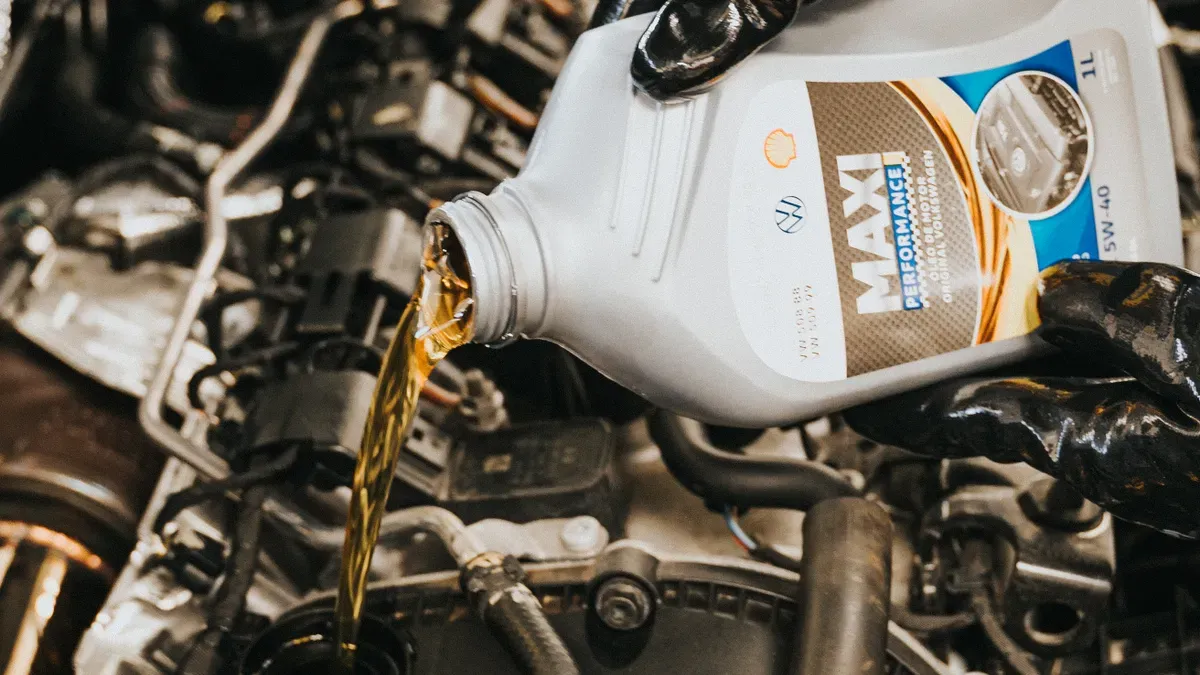
Using ultra-high temperature grease significantly improves the performance of machinery operating in extreme conditions. This specialized lubricant maintains film strength at elevated temperatures, ensuring that components remain well-lubricated. Here are some key performance aspects:
High-Temperature Grease | Standard Lubricants | |
|---|---|---|
Operational Reliability | Superior protection and reliability | Varies, often less effective at high temps |
Service Life | Longer due to better thermal stability | Shorter, degrades faster under heat |
Maintenance Efficiency | Requires less frequent application | More frequent lubrication needed |
Longevity and Reliability
Ultra-high temperature grease enhances the longevity and reliability of equipment. Its formulation includes extreme pressure and anti-wear additives, which provide superior protection compared to standard lubricants. This results in a longer service life, reducing the need for frequent replacements. You can expect fewer breakdowns and lower maintenance costs, allowing your operations to run smoothly.
Safety and Environmental Compliance
Safety and environmental compliance are critical when using lubricants in industrial settings. The use of ultra-high temperature grease raises significant safety concerns. Improper handling can lead to hazardous situations, including contamination of soil and water. As a response, there is a growing trend towards eco-friendlier alternatives, such as bio-based greases, which aim to reduce harmful environmental impacts. By choosing products like the FAKKT-GC918, which comply with EU environmental protection standards, you can ensure that your operations are both safe and responsible.
Types of Ultra-high Temperature Grease
Ultra-high temperature greases come in various formulations, each designed to meet specific performance requirements. Understanding these types helps you choose the right grease for your application.
Synthetic Greases
Synthetic greases are engineered for superior performance in extreme conditions. They offer several advantages over traditional mineral-based options:
Extended Change Intervals: You can use synthetic greases for longer periods without needing to replace them.
Higher Temperature Tolerance: These greases operate effectively at elevated temperatures, making them ideal for high-tech industries like aerospace and nuclear energy.
The FAKKT-GC918 is a prime example of a premium synthetic grease. It excels in high-temperature applications, providing exceptional anti-oxidation and anti-rust properties. This grease maintains its lubricating effectiveness even under extreme conditions, ensuring your machinery runs smoothly.
Mineral-based Greases
Mineral-based greases are derived from refined petroleum oils. They are widely used due to their availability and cost-effectiveness. However, they have limitations compared to synthetic options:
Shorter Service Life: Mineral greases typically require more frequent replacements due to their lower thermal stability.
Limited High-Temperature Performance: They may not perform well in extreme heat, which can lead to breakdown and reduced lubrication.
Despite these drawbacks, mineral-based greases still find applications in various industries, particularly where cost is a significant factor.
Specialty Greases
Specialty greases incorporate unique additives to enhance performance in specific applications. These greases often include:
Friction Modifiers: These reduce the coefficient of friction, improving efficiency.
High-Temperature Enhancers: These boost the grease’s high-temperature limits, ensuring reliability in extreme conditions.
Tackifiers: These increase the grease’s ability to adhere to moving parts, providing better protection.
Choosing the right type of ultra-high temperature grease is crucial for maintaining equipment performance and longevity. By understanding the differences between synthetic, mineral-based, and specialty greases, you can make informed decisions that benefit your operations.
Choosing the Right Ultra-high Temperature Grease
Selecting the right ultra-high temperature grease is crucial for ensuring optimal performance in demanding applications. You must consider several factors to make an informed choice.
Temperature Range Considerations
When choosing grease, the operational temperature range is a primary factor. Different applications have varying temperature requirements. For instance, rolling mill bearings in steel manufacturing typically operate between 120°C to 150°C. In contrast, drying furnaces in automobile assembly can reach around 205°C. Here are some key points to keep in mind:
Ensure the grease can maintain its properties at temperatures exceeding 200°C.
Choose a thickener that provides structural stability at high temperatures.
Assess the grease’s ability to retain base oil under elevated temperatures.
Material Compatibility
Material compatibility is another critical aspect of grease selection. You need to ensure that the grease you choose works well with the materials of the machinery components. Incompatibility can lead to several issues, such as:
Changes in grease consistency, which can affect lubrication effectiveness.
Reduced heat resistance, leading to premature failure of components.
Inadequate protection against wear and tear.
To avoid these problems, evaluate the compatibility of the grease with the materials it will contact. This includes considering the thickener type and consistency, as mixing different greases can lead to undesirable changes.
Performance Requirements
Finally, consider the performance requirements specific to your application. Look for greases that offer:
Criteria | Description |
|---|---|
High Temperature Stability | Grease must maintain consistency and lubrication properties up to 200°C or more. |
Load-Carrying Capacity | Focus on base oil viscosity and additives for enhanced stability and reduced wear. |
Oxidation Resistance | Important to prevent degradation of grease at high temperatures, which can lead to machine failures. |
Sealing Properties | Essential for grease exposed to dust or moisture to ensure effectiveness in harsh environments. |
By carefully considering these factors, you can select the right ultra-high temperature grease that meets your specific needs and enhances the reliability of your machinery.
Ultra-high temperature grease is essential for maintaining machinery performance in extreme conditions. Advances in material science and additive chemistry have revolutionized its capabilities, making it more effective and environmentally friendly. Key takeaways include:
Synthetic base oils enhance thermal stability and oxidation resistance.
Application-specific greases reduce maintenance needs across industries.
Digital tools like AI optimize lubrication practices for better efficiency.
Biodegradable options align with sustainability goals.
When selecting a grease, evaluate your machinery’s temperature range, moisture resistance, and relubrication needs. By choosing the right product, you ensure reliability, safety, and long-term performance.
FAQ
What is ultra-high temperature grease?
Ultra-high temperature grease is a specialized lubricant designed to perform effectively in extreme thermal environments. It prevents wear and tear on machinery, ensuring smooth operation under high heat conditions.
How do I choose the right ultra-high temperature grease?
Consider the operational temperature range, material compatibility, and specific performance requirements of your application. Ensure the grease can withstand the heat and maintain its properties effectively.
Can I use ultra-high temperature grease in automotive applications?
Yes, ultra-high temperature grease is ideal for automotive applications. It excels in critical components like brake systems, providing anti-oxidation and anti-rust properties that enhance performance and safety.
What are the benefits of using synthetic ultra-high temperature grease?
Synthetic ultra-high temperature grease offers extended service life, higher temperature tolerance, and superior thermal stability. These advantages make it suitable for high-performance applications in demanding environments.
Is ultra-high temperature grease environmentally friendly?
Many ultra-high temperature greases, like the FAKKT-GC918, comply with environmental protection standards. They often feature non-toxic formulations, making them safer for use in sensitive environments.
See Also
Key Factors That Define Exceptional Industrial Grease Performance
Improving Automotive Dependability Using FAKKT-GC874K Synthetic Grease
Exploring Grease Colloidal Stability And Its Performance Effects
FAKKT-UB 45001: The Benchmark For High-Performance Tribology
FAKKT Grease Innovations Addressing Today’s Automotive Issues