


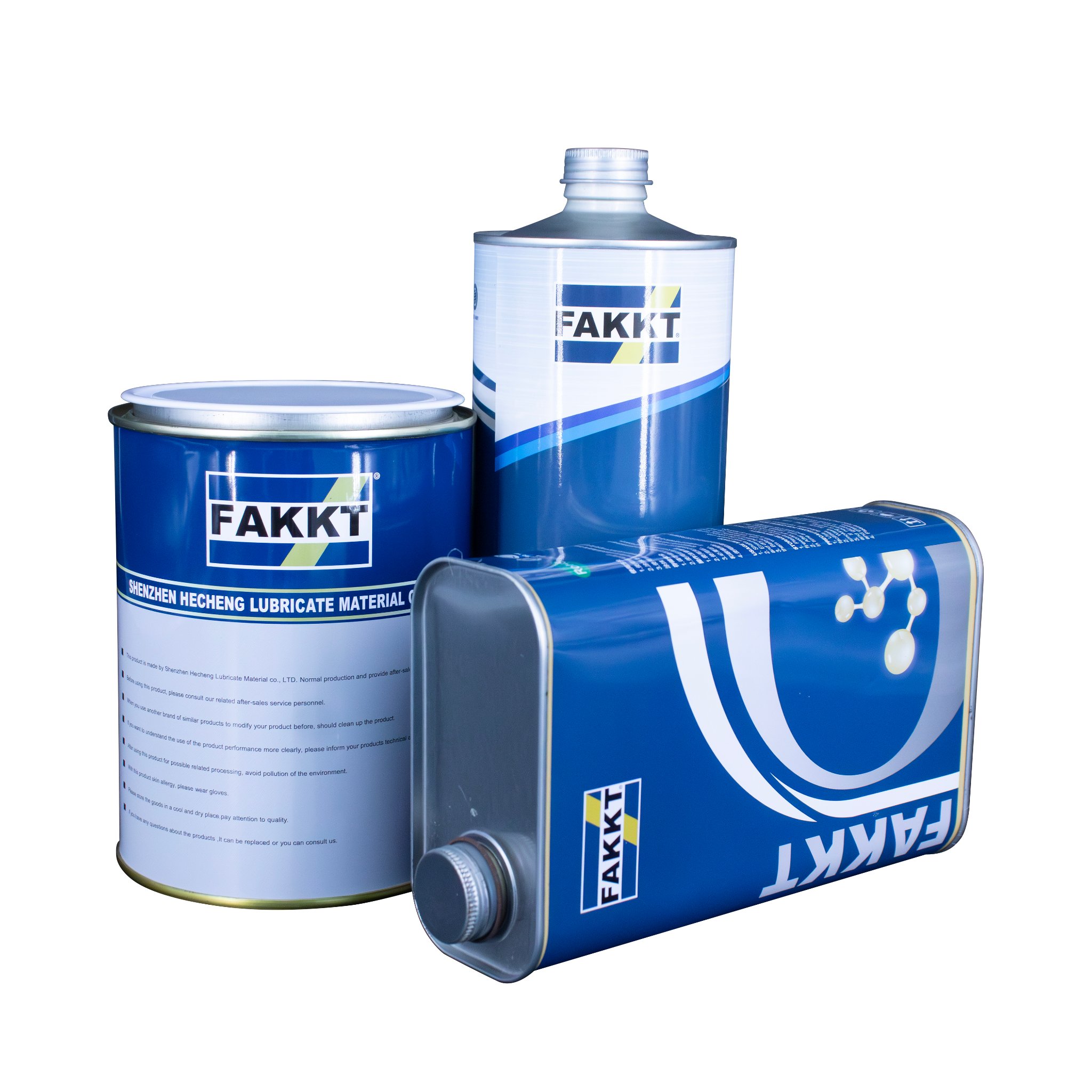
Keeping your car’s seat rails lubricated is crucial. Proper lubrication helps avoid sticking, grinding, or loose seat tracks, which can make your driving experience uncomfortable. Using the right seat slide rail grease ensures smooth operation and extends the life of your seats. Regular maintenance can save you from costly repairs down the road.
Key Takeaways
Choose silicone-based lubricants or white lithium grease for optimal performance and longevity of your car’s seat slide rails.
Regularly lubricate your seat slide rails every six months to prevent wear and ensure smooth operation.
Clean the rails thoroughly before applying new grease to enhance adhesion and effectiveness.
Types of Seat Slide Rail Grease

When it comes to choosing the right seat slide rail grease, you have a few solid options. Each type has its own benefits, so let’s break them down.
Silicone-Based Lubricants
Silicone-based lubricants are a popular choice for seat slide rails. They offer several advantages that make them suitable for automotive applications. Here are some key benefits:
Versatile Lubrication: Silicone grease works well in various automotive applications, including seat rails.
Noise Reduction: It effectively eliminates squeaks without melting or dripping away.
Rubber Protection: This type of grease helps maintain hoses, door seals, and gaskets, preventing cracking and sticking in extreme weather.
Smoothing Moving Parts: It reduces friction in window tracks, seat rails, and hinges, leading to smoother operations.
Rust Protection: Silicone grease provides a protective layer against rust and corrosion on metal components.
You might wonder what makes silicone-based lubricants so effective. Here’s a quick look at their chemical properties:
Property | Description |
|---|---|
Compatible with various plastics and elastomers, enhancing versatility in applications. | |
Electrical Insulation | High volume resistivity ensures reliable insulation in electronic applications. |
Temperature Resistance | Maintains lubricating properties from -40°C to +150°C, with short-term resistance to higher temps. |
White Lithium Grease
Another excellent option is white lithium grease. This grease is known for its thick consistency and long-lasting performance. Here are some advantages of using white lithium grease on your car’s seat slide rails:
Advantage | Description |
|---|---|
Forms a protective film, reducing friction and wear, preventing metal-on-metal contact. | |
Its thick consistency adheres well, minimizing the need for frequent reapplication. | |
Clean and Visible Application | The white color allows for easy visibility of application, aiding in maintenance checks. |
Water and Heat Resistant | It withstands moisture and maintains consistency across a wide temperature range. |
Convenient Application | Available in aerosol for easy application in tight spaces or can be applied manually for control. |
Other Alternatives
While silicone-based lubricants and white lithium grease are top choices, you might also consider other alternatives like conventional bearing grease. However, these alternatives often come with drawbacks. For instance, they may not adhere as well to vertical surfaces, leading to quicker wear and the need for more frequent applications.
How to Apply Seat Slide Rail Grease

Applying seat slide rail grease correctly can make a big difference in how smoothly your car seats operate. Let’s break down the steps you need to follow for a successful application.
Preparation Steps
Before you start applying grease, gather the necessary tools and materials. Here’s what you’ll need:
Mechanics Tool Set: EPAuto Mechanics Tool Set, 122-Piece
All Purpose Cleaner: Simple Green All Purpose Cleaner Concentrate
Degreaser: Spray Nine Heavy Duty Cleaner
Microfiber Towels: Amazon Basics Microfiber Cloths 16″ x 12″ (24-pk)
Sprayable Lithium Grease: WD-40 Specialist White Lithium Grease Spray
Nitrile Gloves: MedPride Nitrile Gloves (Box/100)
Once you have everything ready, follow these steps:
Clean the Rails: Use an all-purpose cleaner and a microfiber towel to wipe down the seat rails. This step is crucial for removing dirt and old grease, ensuring the new grease adheres properly.
Degrease: Apply a degreaser to eliminate any stubborn residue. This will help the new grease perform better.
Dry the Area: Make sure the rails are completely dry before applying any grease.
Application Techniques
Now that you’ve prepared the area, it’s time to apply the grease. Here’s how to do it effectively:
Apply a Thin Layer: Use a sprayable lithium grease for easy application. Aim for a thin, even coat on the rails. Too much grease can attract dirt and create more problems.
Focus on Moving Parts: Pay special attention to the areas where the seat slides. This is where you want the most lubrication.
Consider Moly Grease: If you want extra stability, consider using molybdenum disulfide grease. It works well across a wide temperature range and helps reduce friction.
Check for Coverage: After applying, move the seat back and forth to ensure the grease spreads evenly. This will help you identify any spots that may need more attention.
Safety Precautions
While applying grease, keep safety in mind. Here are some tips to ensure a safe experience:
Wear Gloves: Always wear nitrile gloves to protect your hands from chemicals and grease.
Work in a Well-Ventilated Area: Make sure you’re in a space with good airflow. This helps avoid inhaling fumes from the grease or cleaners.
Avoid Skin Contact: If grease gets on your skin, wash it off immediately with soap and water.
Keep Away from Flames: Some greases are flammable. Keep them away from open flames or sparks.
By following these steps, you’ll ensure that your seat slide rail grease application is effective and safe. Regular maintenance will keep your car seats operating smoothly and extend their lifespan.
Maintenance Tips for Seat Slide Rails
Keeping your seat slide rails in top shape requires regular maintenance. Here are some tips to help you stay on track.
Frequency of Lubrication
You should lubricate your seat slide rails every six months or whenever you notice any issues. Regular lubrication helps protect against wear and corrosion, reduces friction, and extends the lifespan of the components. If you live in an area with extreme temperatures, consider checking more frequently.
Signs of Wear
Watch for these common signs of wear that indicate it’s time to take action:
Clicking or Popping Noise When Turning or Braking: This could mean worn rollers or guides.
Grinding, Clicking, or Whirring Noises During Adjustment: These sounds suggest debris in the seat rails or issues with the motor’s gearbox.
Seat is Completely Unresponsive: This often points to an electrical issue, like a blown fuse.
Seat Only Moves in Some Directions: This indicates a fault with the motor or adjustment switch.
Slow or Intermittent Movement: This can mean a worn-out motor or loose connections.
Being aware of these signs can save you from bigger problems down the road.
Cleaning the Rails
Before applying new grease, you need to clean the old grease off the rails. Here’s how:
Use effective cleaning agents like Simple Green, Mr. Clean Magic Eraser, or Spray Nine.
Apply the cleaner with a microfiber cloth, scrubbing gently to remove all residue.
Make sure the rails are completely dry before adding new seat slide rail grease.
By following these maintenance tips, you’ll keep your seat slide rails functioning smoothly and enhance your driving experience.
In summary, choosing the right seat slide rail grease is essential for smooth operation and longevity. Remember to consider options like silicone-based lubricants and white lithium grease. Regular maintenance keeps your car seats functioning well. So, take action today and keep those rails in top shape! 🚗✨
FAQ
What type of grease should I use for my car’s seat rails?
You should use silicone-based lubricants or white lithium grease for optimal performance and longevity.
How often should I lubricate my seat slide rails?
Lubricate your seat slide rails every six months or whenever you notice issues like noise or sticking.
Can I use regular grease for seat slide rails?
It’s best to avoid regular grease. It may not adhere well and can attract dirt, leading to more problems.
See Also
FAKKT Grease Innovations Addressing Today’s Automotive Issues
Improving Vehicle Dependability Using FAKKT-GC874K Synthetic Grease
Key Factors That Define Superior Industrial Grease Performance