


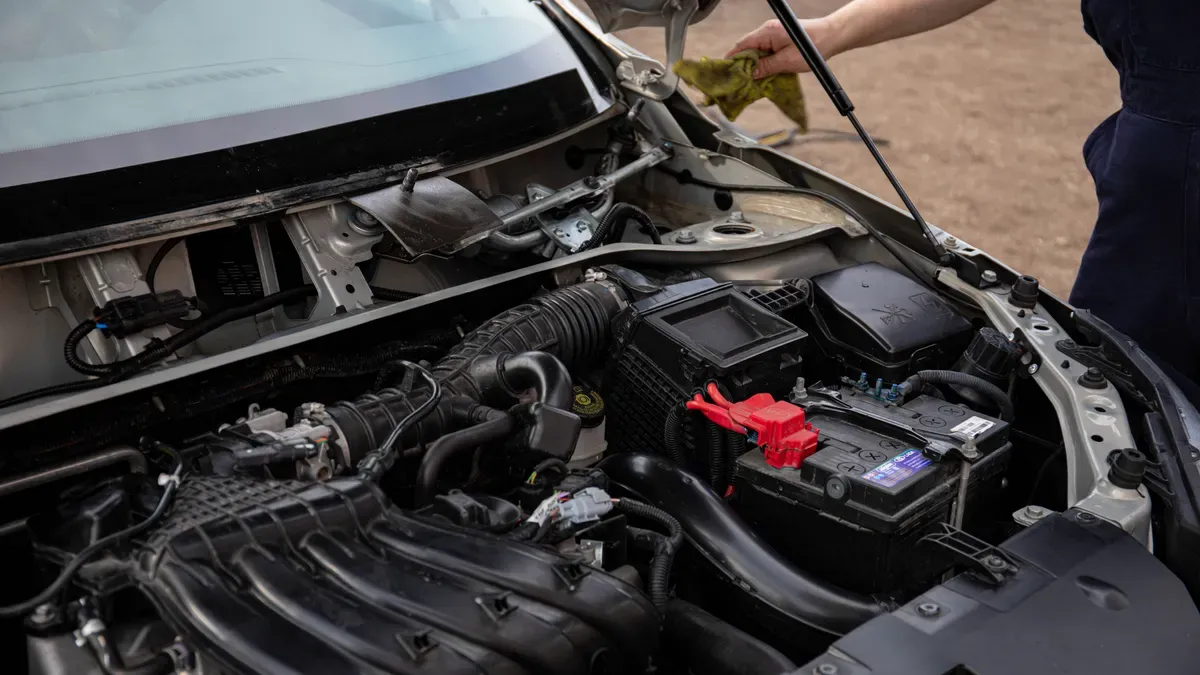
Greasing your clutch release bearing with the right clutch release bearing grease is crucial for your vehicle’s performance. Proper maintenance extends the life of your bearing and enhances overall efficiency. Neglecting this task can lead to severe issues, such as increased wear and potential failure. Regularly applying clutch release bearing grease helps prevent these problems and ensures smooth operation on the road.
Key Takeaways
Regularly greasing your clutch release bearing prevents wear and enhances vehicle performance. Aim to grease every 15,000 to 30,000 miles based on usage.
Use high-quality lubricants like aluminum complex grease or lithium-base high-temperature grease for optimal results. Avoid low-quality options to maintain warranty and performance.
Follow proper preparation steps before greasing, such as parking on a level surface and disconnecting the battery. This ensures safety and effective maintenance.
Tools for Greasing
Recommended Greases
When it comes to greasing your clutch release bearing, choosing the right lubricant is essential. Here are some recommended greases:
Aluminum Complex Grease: This grease offers excellent water resistance and high-temperature stability.
Lithium-Base High-Temperature Grease: This type performs well under heat and is suitable for most clutch applications. It remains stable and effective, making it a popular choice.
Essential Tools
To grease your clutch release bearing effectively, you will need a few essential tools. Here’s a list of what you should have:
Tool/Component | Description |
|---|---|
Grease Gun | A tool that allows you to apply grease precisely to the bearing. |
Two fittings on the heavy-duty clutch housing for lubrication. | |
CF Fitting | Identified for the cross-shaft lubrication. |
RB Fitting | Identified for the release bearing lubrication. |
Service Information | Refer to TruckSeries truck repair software for procedures and lubricant. |
Using these tools will help you maintain your clutch release bearing effectively. Always ensure you apply the correct amount of grease to avoid over-greasing, which can lead to problems.
Clutch Release Bearing Grease Process
Preparing the Vehicle
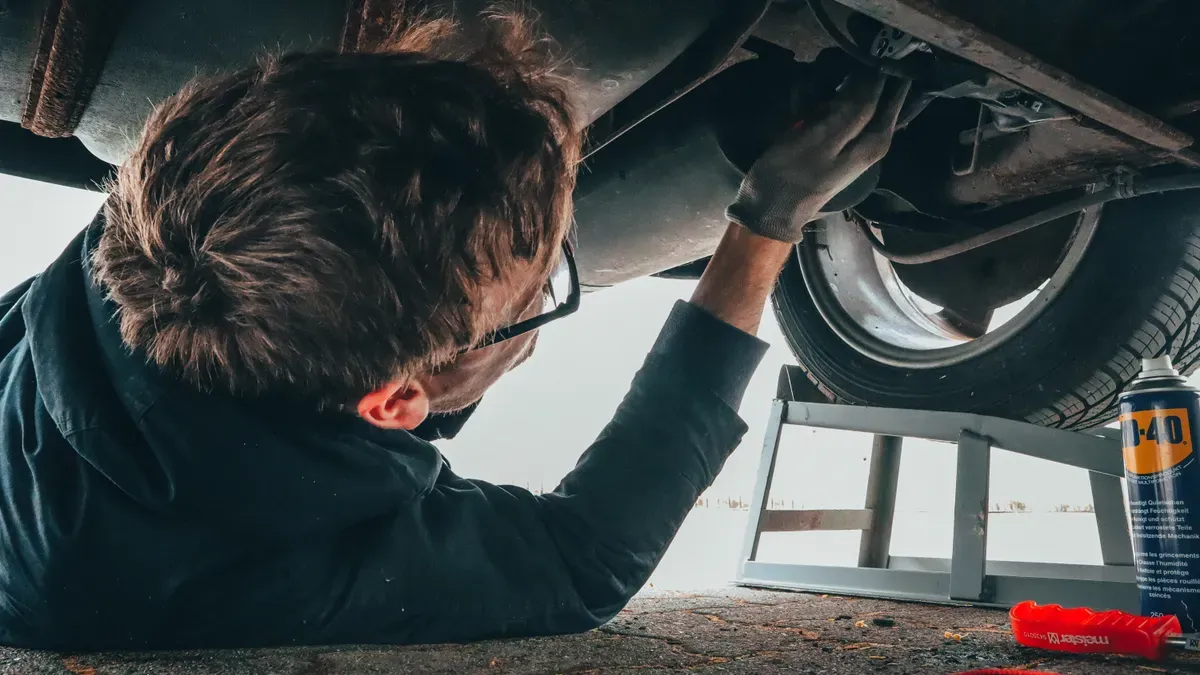
Before you start greasing your clutch release bearing, you must prepare your vehicle properly. Follow these steps to ensure a smooth process:
Park on a Level Surface: Make sure your vehicle is on a flat surface to prevent any movement during maintenance.
Engage the Parking Brake: This step keeps the vehicle secure while you work.
Disconnect the Battery: Safety first! Disconnect the negative terminal to prevent any electrical issues.
Lift the Vehicle: Use a jack to lift the vehicle and secure it with jack stands. This gives you access to the clutch components.
Remove Necessary Covers: Take off any covers or shields that block access to the clutch release bearing.
By following these steps, you ensure a safe and effective greasing process.
Applying the Grease
Now that your vehicle is ready, you can apply the grease to the clutch release bearing. Here’s a step-by-step guide:
Clean the Components: Ensure the clutch components are clean and free from contaminants. This step is crucial for effective lubrication.
Select the Right Grease: Use a high-temperature bearing grease for lubrication. This type of grease withstands heat and maintains performance.
Locate the Grease Fittings: Identify the grease fittings on the clutch housing. You will find two fittings: one for the release bearing and another for the cross-shaft lubrication.
Apply the Grease:
Attach the grease gun to the appropriate fitting.
Pump the grease into the fitting until you see it oozing out slightly. This indicates that the bearing has received enough grease.
Avoid Over-Greasing: Be careful not to over-grease. Excess grease can lead to contamination of friction surfaces, causing performance issues.
Tip: If your vehicle has a sealed clutch release bearing, you may not need to grease it regularly. Instead, apply a thin film of high-temperature moly grease to the guide sleeve where the bearing slides. This helps maintain smooth operation without disassembly.
By following these steps, you can maintain your clutch release bearing effectively. Regular checks and lubrication help extend the life of your bearing and improve your vehicle’s performance.
Common Mistakes to Avoid
Over-Greasing
Over-greasing is a common mistake that many vehicle owners make. Applying too much grease can lead to several issues. Excess grease generates heat and increases friction, which can damage the bearing. This damage often results in premature wear and reduced performance.
Over-greasing can cause excess heat, increased friction, and potential bearing damage, which can lead to premature wear and reduced performance.
You might notice some symptoms if you over-grease your clutch release bearing. These symptoms include:
A squeal or chirp when pressing the pedal
A rough pedal feel
Vibration felt in your foot
Additionally, excess grease can fling onto the disc, causing further complications. To avoid these problems, always use the specified amount of grease during maintenance.
Incorrect Lubricants
Using the wrong type of lubricant can also lead to significant issues. Not all greases are suitable for clutch release bearings. For example, using a low-quality or incompatible grease can void your warranty.
Any defect or damage caused by the failure to store, handle, install, assemble, maintain or use the product in accordance with CI’s instructions or specifications, including but not limited to: Modification of the product by the customer in any way.
To ensure optimal performance, always choose a high-quality clutch release bearing grease. Proper lubrication is crucial for the longevity and functionality of your bearing.
To help you maintain your clutch release bearing effectively, consider the following maintenance intervals based on application type:
Application Type | Basic Inspection Interval | Comprehensive Check Interval |
|---|---|---|
Line-Haul Operations | 25,000-30,000 miles | 50,000-75,000 miles |
Regional Delivery | 15,000-20,000 miles | 40,000-60,000 miles |
Construction/Refuse | 10,000-15,000 miles | 25,000-35,000 miles |
Vocational/Severe-Duty | 8,000-12,000 miles | 20,000-30,000 miles |
Regular maintenance helps prevent common mistakes and ensures your clutch release bearing operates smoothly. By following these guidelines, you can extend the life of your bearing and improve your vehicle’s performance.
Properly greasing your clutch release bearing is vital for smooth vehicle operation. Regular maintenance reduces friction and wear, leading to effective clutch engagement.
Here are some long-term benefits of maintaining your clutch release bearing:
Benefit Description | Explanation |
|---|---|
High-quality bearings last longer due to advanced sealing technologies that prevent damage. | |
Enhanced Precision in Gear Engagement | Tighter tolerances prevent issues like ‘clutch chatter’ for smoother gear transitions. |
Reduced Noise, Vibration, and Harshness (NVH) | High-grade bearings dampen vibrations, ensuring a quieter cabin during clutch engagement. |
Follow the outlined steps for effective maintenance. Regular checks will enhance your vehicle’s performance and longevity.
FAQ
What is the purpose of greasing the clutch release bearing?
Greasing the clutch release bearing reduces friction, prevents wear, and ensures smooth operation during gear shifts.
How often should I grease my clutch release bearing?
You should grease your clutch release bearing every 15,000 to 30,000 miles, depending on your vehicle’s usage.
Can I grease the bearing without disassembling it?
Yes, you can use a grease gun to lubricate the bearing through the fittings without complete disassembly.
See Also
Improving Automotive Dependability Using FAKKT-GC874K Synthetic Grease
Exploring Grease Colloidal Stability And Its Performance Effects
FAKKT Grease Innovations Addressing Today’s Automotive Issues
Key Factors That Define Superior Industrial Grease Performance