


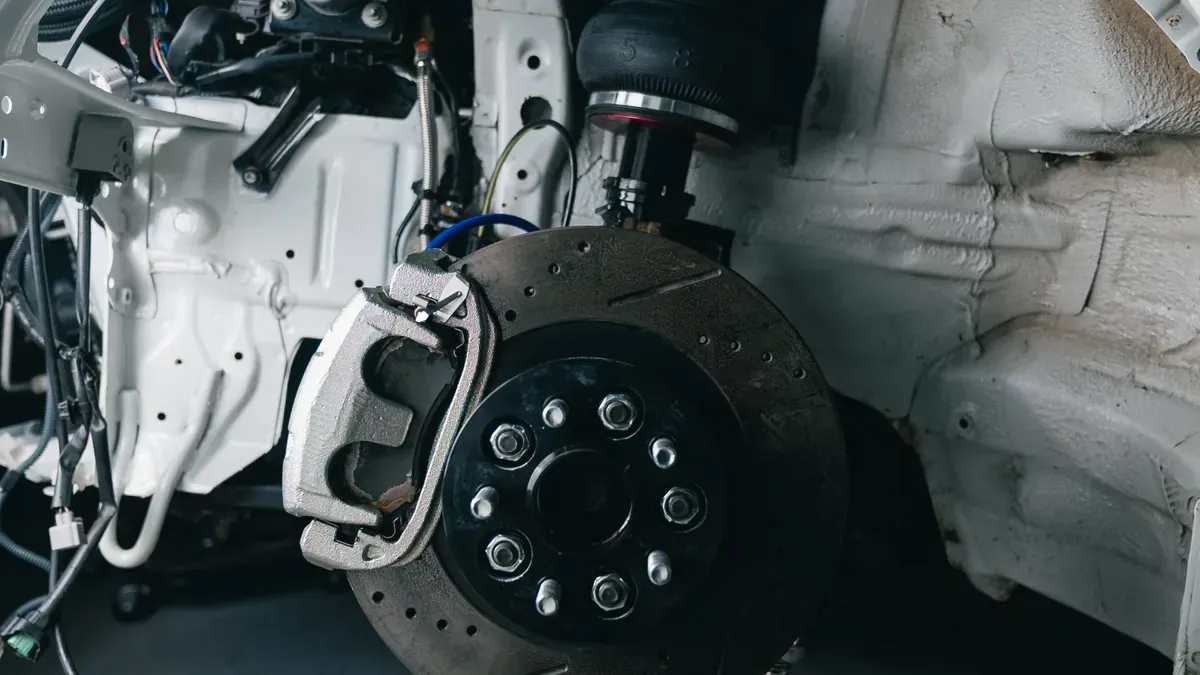
Choosing the right brake piston seal grease is crucial for your vehicle’s performance and longevity. The right grease ensures that the brake system functions smoothly while preventing costly repairs. Key factors to consider include:
Compatibility: Using the correct grease with rubber components prevents seal failures. Nearly 30% of failures arise from improper fit.
Temperature Resistance: Brake systems experience extreme temperatures. Selecting grease that can withstand these conditions is essential.
Moisture Protection: Moisture can lead to corrosion, which compromises the brake system. Proper grease helps safeguard against this risk.
By paying attention to these factors, you can enhance the reliability of your brake system.
Key Takeaways
Choose grease compatible with rubber components to prevent seal failures and ensure effective braking.
Select high-temperature grease that withstands up to 400 degrees Fahrenheit for optimal performance during intense braking.
Use water-resistant grease to protect against moisture, reducing the risk of corrosion and enhancing brake system longevity.
Apply brake lubricant carefully, using a thin layer on specific areas to avoid over-greasing and maintain effective braking.
Regularly inspect your brake system for moisture and corrosion to catch issues early and avoid costly repairs.
Grease Compatibility
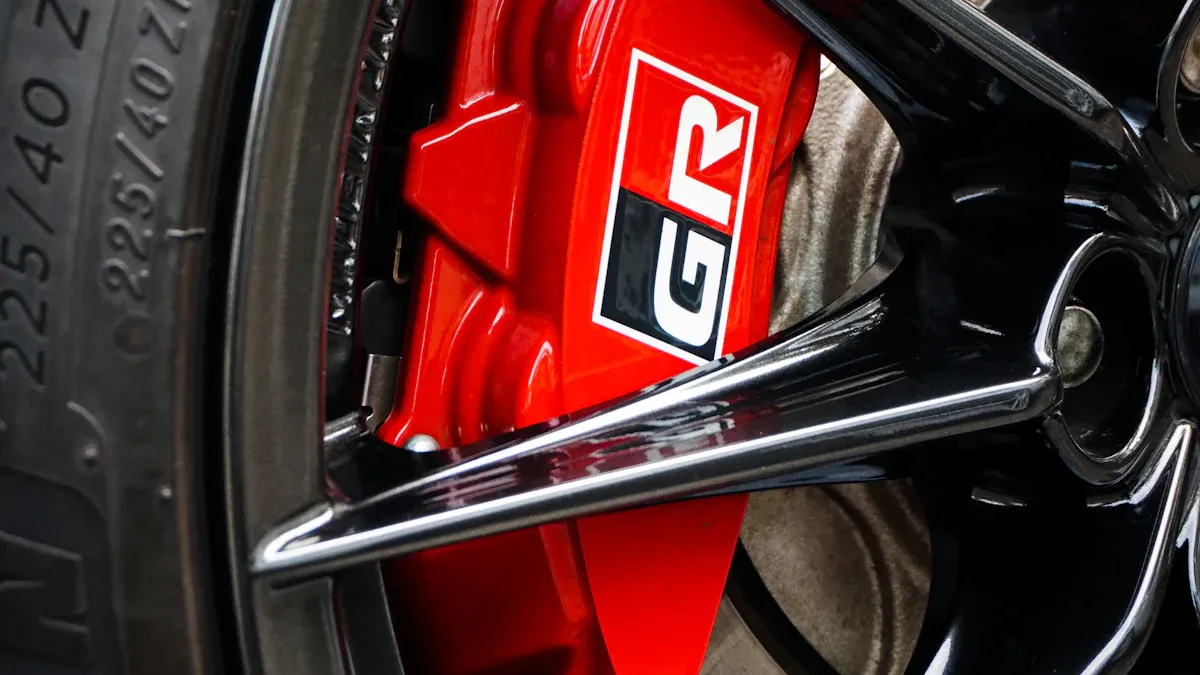
Choosing the right grease for your brake piston seals is vital. You must ensure that the grease you select is compatible with the rubber components in your brake system. Using incompatible greases can lead to seal failures, which may compromise your vehicle’s braking performance. Here are two common types of grease you should consider:
Silicone-Based Grease
Silicone-based brake lubricants are popular choices for many automotive applications. They offer excellent compatibility with rubber seals, including EPDM and nitrile. Major manufacturers recommend products like Sil-Glyde® Silicone Brake Lubricant. This lubricant prevents swelling or pitting of rubber components, ensuring they maintain their integrity over time. Additionally, silicone-based grease dampens noise and protects against corrosion, which is crucial for the smooth operation of caliper pins, pad backing plates, shims, and slides.
Tip: Always check the manufacturer’s specifications for your brake system. They often provide recommendations for the best silicone-based brake lubricants to use.
Red Rubber Grease
Red rubber grease is another option that works well with rubber components. It is specifically formulated to be compatible with various rubber materials. This grease is particularly effective in preventing swelling and degradation of rubber seals. However, it is essential to note that red rubber grease may not be suitable for all brake fluids. For instance, it can be incompatible with glycol-based brake fluids, which could lead to seal failure.
To help you understand the compatibility of different materials with brake fluids, consider the following table:
Material | Compatibility with Brake Fluids | Incompatibility |
|---|---|---|
EPDM | Incompatible with petroleum products | |
NBR | Resistant to petroleum-based fluids | Not suitable for glycol-based brake fluids |
Temperature Tolerance
When selecting brake piston seal grease, temperature tolerance is a critical factor. Your brake system operates under extreme conditions, and the grease must perform reliably in both high and low temperatures.
High-Temperature Brake Grease
High-temperature brake grease is essential for maintaining optimal performance during intense braking situations. Brake lubricants should withstand temperatures up to 400 degrees Fahrenheit. This capability ensures that the grease remains effective even under extreme braking conditions.
High-temperature grease is formulated with synthetic base oils, such as esters and polyalphaolefins. These ingredients enhance thermal stability and oxidative resistance. As a result, the grease maintains its properties during repeated thermal cycling, which is common in automotive applications. Additionally, modern formulations include advanced additives that improve wear resistance and corrosion protection. This combination ensures that the grease continues to perform well, even after extensive use.
Tip: Always choose high-temperature grease specifically designed for brake systems to ensure safety and reliability.
Low-Temperature Performance
Low-temperature performance is equally important for brake piston seal grease. In colder climates, grease can thicken, leading to reduced flow and potential seal failures. You need grease that remains pliable and effective, even in frigid conditions.
Greases designed for low temperatures often contain special additives that lower the pour point. This feature allows the grease to maintain its consistency and lubricating properties, ensuring that seals remain protected. If the grease becomes too thick, it can hinder the movement of brake components, leading to decreased braking efficiency.
Moisture Protection
Moisture protection is essential for maintaining the integrity of your brake system. Water can seep into brake components, leading to various issues. Therefore, selecting a brake lubricant with excellent water resistance is crucial.
Water-Resistant Grease
Water-resistant grease forms a protective barrier against moisture. This type of grease prevents water from penetrating the brake system, which helps maintain optimal performance. When you use water-resistant brake lubricants, you reduce the risk of stiction and corrosion. Stiction occurs when moisture causes brake components to stick, leading to uneven wear and potential failure.
Corrosion Prevention
Corrosion can severely damage your brake system. It often results from inadequate moisture protection. Common forms of corrosion found in brake systems include:
Stiction
Corrosion of gray cast iron brake discs
To prevent these issues, you must consider environmental conditions that can lead to moisture ingress. Here are some common factors:
High humidity environments can lead to significant moisture absorption in brake fluid, especially if not stored properly.
Old or pre-opened brake fluid can introduce moisture into the system.
Rapid temperature changes can cause condensation in brake lines and calipers, leading to moisture accumulation.
Over time, moisture can diffuse through rubber brake hoses, although using better materials can mitigate this.
By choosing a high-quality brake lubricant that offers moisture protection, you can extend the life of your brake system. This choice not only enhances performance but also reduces the likelihood of costly repairs down the line.
Tip: Regularly inspect your brake system for signs of moisture and corrosion. Early detection can save you from more significant issues later.
Types of Brake Grease
When selecting brake grease, you typically encounter two main types: synthetic and mineral. Each type has its unique properties and benefits, making them suitable for different applications.
Synthetic Brake Grease
Synthetic brake grease stands out for its superior temperature stability. It can withstand higher maximum temperatures than mineral greases. This feature is crucial for maintaining performance during intense braking situations. Synthetic greases also offer extended re-lubrication intervals, enhancing their longevity in high-temperature applications. They resist oxidation, ensuring they maintain their effectiveness even in extreme conditions. This reliability makes synthetic grease a popular choice for performance vehicles that demand high standards.
Tip: If you drive a performance vehicle, consider using synthetic brake grease for optimal results.
Mineral Brake Grease
Mineral brake grease, on the other hand, is often more economical. It works well for standard sedans and everyday vehicles. However, it may not perform as well under extreme conditions compared to synthetic options. Technicians often recommend brake fluid types based on vehicle make and model. For instance, performance vehicles may need fluids that can withstand extreme heat, while standard sedans might use more economical brake fluid options.
Application Tips
Applying brake lubricant correctly is essential for optimal brake performance. Here are some key techniques to ensure you apply brake lube effectively:
Proper Application Techniques
Clean the Surface: Before applying grease, clean the brake components thoroughly. Remove any dirt, dust, or old grease to ensure a proper bond.
Use the Right Amount: Apply a thin, even layer of brake lubricant to the necessary areas. Avoid globbing grease onto the components. A little goes a long way in ensuring effective lubrication.
Target Specific Areas: Focus on areas that require lubrication, such as caliper pins and backing plates. Avoid greasing surfaces that need to remain dry, like brake pads and rotors.
Tip: Handle greased components carefully. This practice prevents contamination of rotors and pads, which is crucial for maintaining effective braking.
Avoiding Over-Greasing
Over-greasing can lead to several issues that compromise brake performance. Here are some common mistakes to avoid:
Applying excessive grease can cause discoloration and vibration during braking.
Greasing areas that should remain dry can reduce friction, affecting stopping power.
Over-greasing slide pins can attract dirt, leading to brake sticking or uneven movement.
To prevent these problems, always use minimal grease. This approach helps maintain the integrity of your brake system. After applying grease, ensure it does not come into contact with surfaces that require friction for effective braking.
By following these application tips, you can enhance the performance and longevity of your brake system. Proper brake lubrication is vital for safety and reliability on the road.
Choosing the right brake piston seal grease is essential for your vehicle’s performance and longevity. You must consider compatibility, temperature resistance, and moisture protection when selecting grease. Each factor plays a crucial role in ensuring your brake system operates smoothly. Always assess your specific needs and consult with professionals if you have any doubts. Making informed choices will help you maintain your brake system effectively and avoid costly repairs.
FAQ
What is brake piston seal grease?
Brake piston seal grease is a lubricant designed to protect and enhance the performance of brake components. It prevents wear, reduces friction, and protects seals from moisture and contaminants.
How often should I apply brake grease?
You should apply brake grease during routine brake maintenance or whenever you replace brake components. Regular inspections can help you determine when to reapply grease.
Can I use any grease for my brakes?
No, you must use grease specifically formulated for brake systems. Using incompatible grease can lead to seal failure and reduced braking performance.
What happens if I over-grease my brakes?
Over-greasing can cause brake components to stick, leading to uneven wear and reduced stopping power. Always apply a thin layer of grease to avoid these issues.
Is synthetic brake grease better than mineral grease?
Yes, synthetic brake grease typically offers better temperature stability and longevity. It performs well under extreme conditions, making it ideal for high-performance vehicles.
See Also
Improving Vehicle Dependability Using FAKKT-GC874K Synthetic Grease
Key Features That Define Superior Industrial Grease Performance
Innovative FAKKT Grease Solutions Addressing Today’s Automotive Issues
The Role of Colloidal Stability in Grease Performance Explained
FAKKT-UB 45001: Setting Standards for High-Performance Lubrication