


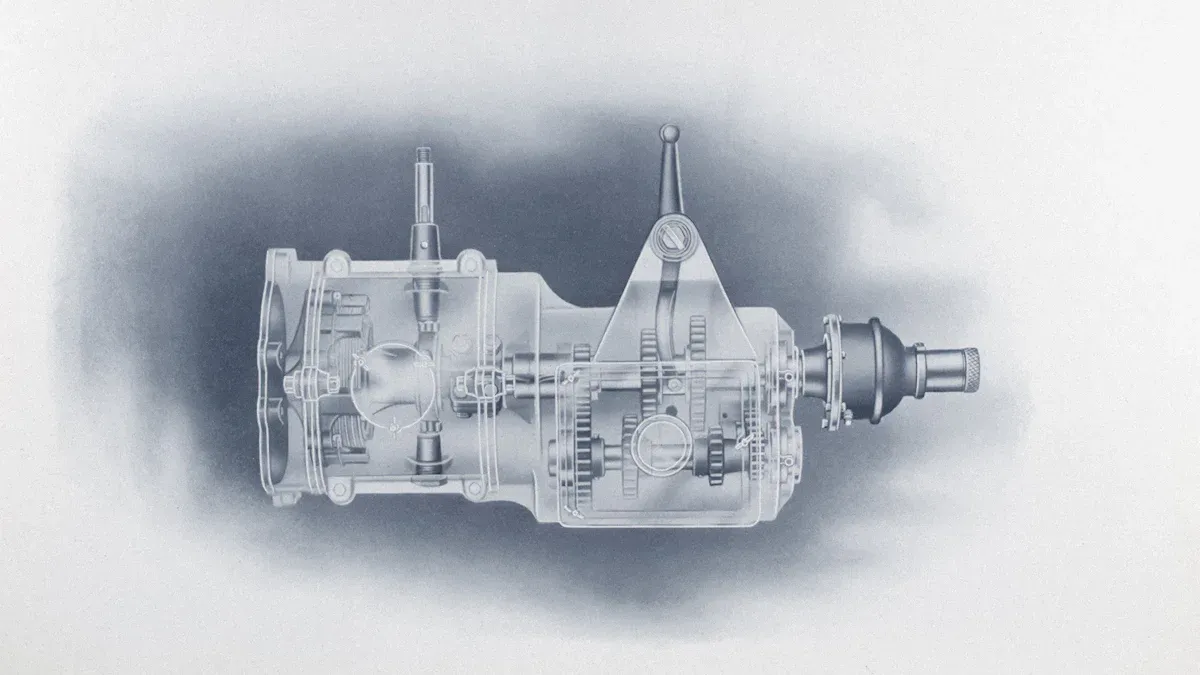
Choosing the right Dual-Clutch Transmission (DCT) bearing grease is crucial for optimal performance. Proper lubrication with the correct DCT bearing grease directly affects the efficiency and longevity of your vehicle’s transmission system. When you select the appropriate grease for your DCT bearings, you enhance performance and reduce wear. Ignoring this aspect can lead to severe mechanical issues and costly repairs. Prioritize your choice of DCT bearing grease to ensure your transmission operates smoothly and reliably.
Key Takeaways
Choosing the right grease for DCT bearings is crucial for performance and longevity. Proper lubrication minimizes friction and wear.
Lithium complex and synthetic greases are top choices. They offer thermal stability and high load capacity, enhancing bearing efficiency.
Understand NLGI consistency grades when selecting grease. The right grade ensures proper lubrication and prevents leaks or insufficient lubrication.
Avoid over-greasing to prevent overheating and damage. Fill only one-third of the bearing’s free volume with grease for optimal function.
Always check grease compatibility before mixing. Incompatible greases can lead to reduced performance and mechanical issues.
Importance of Lubrication

Role of Grease
Grease plays a critical role in the performance of dual-clutch transmission (DCT) bearings. It serves as a protective barrier between moving parts, significantly reducing friction and wear. Here’s how grease contributes to the efficiency of your DCT bearings:
Minimizes Friction: Grease creates a thin film between moving surfaces. This film prevents direct metal-to-metal contact, which is essential for reducing wear.
Controls Temperature: Proper lubrication helps dissipate heat generated from friction. This temperature control is vital, especially under high-load conditions.
Protects Against Contaminants: The right type of grease acts as a shield against dirt and moisture. This protection enhances the efficiency and lifespan of your bearings.
Consequences of Poor Lubrication
Inadequate lubrication can lead to severe consequences for your DCT bearings. Here are some potential issues you might face:
Increased Friction: Without sufficient grease, a complete lubricating film cannot form. This lack of lubrication leads to higher friction, which can cause premature bearing failure.
Excessive Heat: Over-greasing can create excessive heat and friction due to churning. This degradation of grease increases wear and can damage the bearings.
Contamination Risks: Poor lubrication allows contaminants to enter the bearing assembly. This exposure can lead to corrosion and further mechanical issues.
Understanding the importance of proper lubrication is essential for maintaining the performance and longevity of your DCT bearings. By selecting the right grease and applying it correctly, you can avoid these pitfalls and ensure your transmission operates smoothly.
Grease Types for DCT Bearings
Lithium Complex Grease
Lithium complex grease is a popular choice for DCT bearings. This type of grease offers excellent thermal stability and can withstand high temperatures. It also provides good water resistance, making it suitable for various operating conditions. Here are some key benefits of lithium complex grease:
High Load Capacity: It can handle heavy loads without breaking down.
Versatile Use: This grease works well in both automotive and industrial applications.
Longer Service Life: It reduces the frequency of maintenance due to its durability.
Synthetic Grease
Synthetic grease stands out for its superior performance in extreme conditions. It is engineered to excel in both high and low temperatures, enhancing the longevity of dual-clutch transmission bearings. Here are some advantages of using synthetic grease:
Temperature Stability: Synthetic grease maintains its properties across a wide temperature range. This stability reduces the need for frequent maintenance and replacement.
Enhanced Longevity: Its formulation allows for reliable performance, extending the life of your bearings.
Additionally, synthetic grease often contains extreme pressure (EP) additives. These additives chemically interact with metal surfaces to form protective films. This process occurs under high pressure and temperature, providing several benefits:
Shock Load Absorption: The protective films absorb shock loads, reducing stress on the lubricant film.
Wear Protection: They shield metal surfaces from wear, scuffing, and welding.
Smooth Operation: The films create a glide plane that prevents direct metal-to-metal contact, minimizing abrasion.
Choosing the right grease type for your DCT bearings is essential for optimal performance. Both lithium complex and synthetic greases offer unique advantages that can significantly enhance the efficiency and lifespan of your transmission system.
Selecting DCT Bearing Grease
NLGI Consistency
When selecting grease for your dual-clutch transmission (DCT) bearings, understanding NLGI consistency is crucial. The National Lubricating Grease Institute (NLGI) assigns consistency grades to grease, which indicate its thickness and texture. These grades range from 000 (very fluid) to 6 (very firm).
NLGI Grade 0-1: These grades are suitable for applications requiring a softer grease. They flow easily and are ideal for low-speed bearings.
NLGI Grade 2: This is the most common grade used in automotive applications. It provides a good balance of consistency and performance, making it suitable for most DCT bearings.
NLGI Grade 3-4: These grades are firmer and are used in high-load applications. They offer better stability under pressure but may not flow as easily.
Choosing the right NLGI grade ensures that the grease can adequately lubricate the bearing while maintaining its position under various operating conditions. A grease that is too soft may leak out, while one that is too firm may not provide sufficient lubrication.
Viscosity and Temperature
Viscosity is another critical factor when selecting grease for DCT bearings. It measures the grease’s resistance to flow. You want a grease with the right viscosity to ensure proper lubrication at both high and low temperatures.
High Viscosity: Grease with high viscosity performs well under heavy loads and high temperatures. It maintains a protective film between moving parts, reducing wear.
Low Viscosity: Grease with low viscosity flows easily and provides quick lubrication during startup. However, it may not withstand high temperatures as effectively.
Temperature resistance is equally important. Grease must remain stable and effective across the temperature range your DCT bearings will experience. Look for greases that specify their operating temperature limits.
Tip: Always consult your vehicle’s manufacturer recommendations for the best grease type and specifications. This guidance ensures you select a grease that meets the unique demands of your DCT bearings.
By considering NLGI consistency and viscosity alongside temperature resistance, you can make an informed choice about the best grease for your dual-clutch transmission bearings. This careful selection will enhance performance and extend the life of your bearings.
Application Methods
Manual Application
When applying grease manually, you want to ensure even distribution around the bearing. Follow these grease application techniques for the best results:
Keep the grease gun and the area around the bearing clean to avoid introducing contaminants.
Verify that the new grease is compatible with any residual grease in the bearing or housing.
Use a grease gun for precise application, aiming the grease directly into the bearing or onto the grease nipple.
Wear gloves to maintain cleanliness and apply the grease evenly around the bearing elements.
Slowly rotate the bearing while applying grease to ensure even distribution.
These steps help you achieve optimal lubrication and enhance the performance of your dual-clutch transmission (DCT) bearing grease.
Grease Gun Usage
Using a grease gun simplifies the application process and ensures accuracy. Here’s how to effectively use a grease gun for your DCT bearings:
Select the Right Nozzle: Choose a nozzle that fits snugly onto the grease nipple. This ensures a tight seal and prevents grease from leaking out during application.
Pump Slowly: Apply grease slowly to avoid over-greasing. Monitor the bearing as you pump to ensure it fills without excess buildup.
Check for Resistance: If you feel resistance while pumping, stop and check for blockages. Continuing to pump against resistance can damage the bearing.
Regular Maintenance: Schedule maintenance intervals based on your vehicle’s usage. Regular checks help maintain optimal performance and extend the life of your bearings.
By mastering these application methods, you can ensure that your DCT bearings receive the proper lubrication they need for smooth operation.
Common Mistakes to Avoid
Over-Greasing
Over-greasing is a common mistake that can severely impact the performance of your dual-clutch transmission (DCT) bearings. When you apply too much grease, it can churn excessively, leading to overheating. This heat buildup reduces performance and shortens the lifespan of the bearings. To maintain optimal function, fill only one-third of the bearing’s free volume with grease. This approach ensures that the grease can effectively lubricate without causing excess heat.
Incompatible Greases
Using incompatible greases can lead to significant issues in your DCT bearings. Here are some consequences of mixing different types of grease:
Thickener incompatibility: Mixing incompatible greases can cause the thickener to release oil, resulting in a gum-like substance that lacks lubricating properties. This situation leads to premature wear and failure.
Viscosity changes: Different viscosities disrupt the balance, making lubrication less effective and increasing mechanical stress on the bearings.
Separation and leakage: Incompatible base oils can lead to oil separation, seal degradation, and leaks, significantly reducing the lubricant’s effectiveness.
Additive interaction: Mixing different additive packages can neutralize their effectiveness, resulting in reduced protection and increased wear.
To avoid these pitfalls, always follow manufacturer recommendations regarding grease compatibility and application. Major DCT manufacturers emphasize the importance of proper lubrication for clutches, gears, shafts, and bearings. They also highlight the need for thermal stability and a carefully calculated viscosity profile to ensure smooth operation. By adhering to these guidelines, you can enhance the longevity and performance of your DCT bearings.
Selecting the right grease for your dual-clutch transmission (DCT) bearings is vital for optimal performance. Proper lubrication minimizes friction, controls temperature, and protects against contaminants. To ensure longevity and reliability, follow these best practices:
Use clean equipment to avoid contamination.
Purge old grease to remove moisture and dirt.
Prevent contamination, as it often leads to lubrication failure.
Remember, wet DCTs provide better cooling and are ideal for high-performance vehicles. For further guidance, explore resources on grease selection, maintenance frequency, and common mistakes. By applying these insights, you can enhance the efficiency and lifespan of your DCT bearings.
FAQ
What is the best grease for DCT bearings?
The best grease for DCT bearings typically includes lithium complex or synthetic grease. These options provide excellent thermal stability and load capacity, ensuring optimal performance.
How often should I grease my DCT bearings?
You should grease your DCT bearings according to the manufacturer’s recommendations. Regular maintenance intervals help maintain performance and extend the life of your bearings.
Can I mix different types of grease?
Mixing different types of grease can lead to issues. Always check for grease compatibility before combining products to avoid reduced performance and potential damage.
What happens if I over-grease my DCT bearings?
Over-greasing can cause excessive heat and friction, leading to premature bearing failure. Fill only one-third of the bearing’s free volume with grease for optimal lubrication.
How do I know if my grease is still effective?
Check for signs of contamination, discoloration, or separation. If you notice any of these issues, it’s time to purge the old grease and apply fresh lubricant.
See Also
Boosting Automotive Reliability Using FAKKT-GC874K Synthetic Grease
Innovative FAKKT Grease Solutions Addressing Today’s Automotive Issues
Exploring Grease Colloidal Stability And Its Performance Effects
Key Factors That Define Exceptional High-Performance Industrial Grease
FAKKT-UB 45001: A Benchmark For High-Performance Tribological Applications