


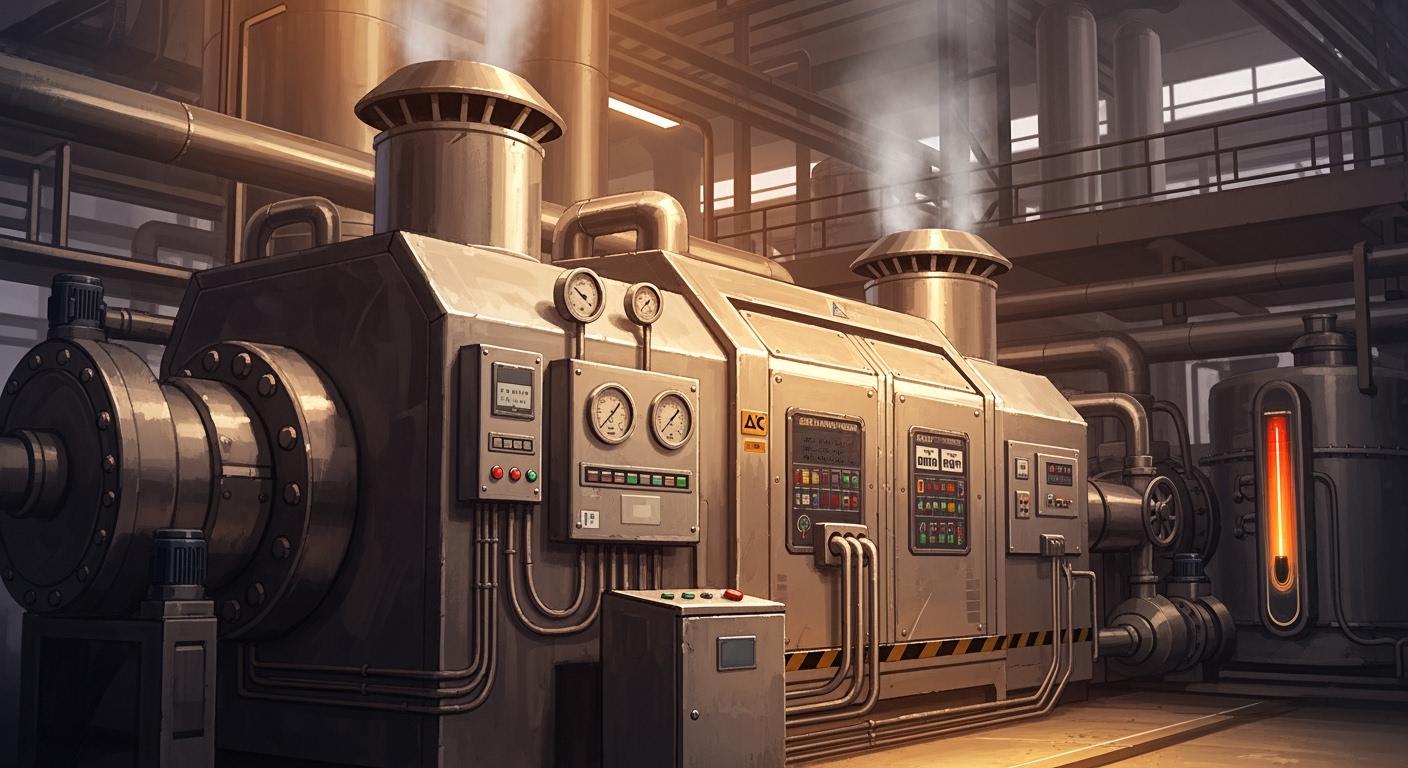
Achieving long-term use in high-temperature situations is very important. This helps keep machines working well and safely. Choosing the right materials is key in this process. For instance, picking the right plastic for the temperature can improve performance and last longer. Also, high-temperature systems need materials that are very strong and stable with heat. This keeps things safe in places like boilers and turbines, where doing a great job is necessary.
Key Takeaways
Pick the best materials for high heat. This helps machines work better and last longer.
Manage temperature well to stop coking and deposits. This keeps operations safe.
Do regular maintenance and check-ups. This helps find problems early and keeps things running smoothly.
Use strong materials like high-temperature alloys and ceramics. They resist coking and last longer.
Follow good practices in operations. This includes managing loads and doing preventive maintenance. It helps ensure machines are reliable for a long time.
Coking and Precipitation
Effects on Performance
Coking is when hydrocarbons break down and make solid carbon deposits called coke. This can hurt how machines work. When coke builds up on equipment, it causes several problems:
Reduced Efficiency: Coke can block catalysts. Catalysts are important for many industrial processes. This blockage lowers how well operations run.
Thermal Stress: Coke can cause uneven thermal stress during heating and cooling. This stress can bend equipment like coke drums. This leads to safety issues and shorter machine life.
Increased Fouling: High temperatures speed up coking reactions, causing fouling. A temperature rise of just 10 to 40 degrees Celsius can make fouling rates 50 to 400% higher in crude heaters.
Importance in High-Temperature Applications
In high-temperature situations, stopping coking and precipitate formation is very important. The effects of precipitate formation can be serious. For example, precipitates can cause:
Implication on Machinery Performance | |
|---|---|
Strength | Increases load-bearing ability in high-temperature uses |
Creep Resistance | Lowers bending over time under high stress and heat |
Thermal Stability | Keeps performance in extreme conditions, extending machine life |
Knowing these factors is key for keeping machines running well in high-temperature settings. By choosing the right materials and using good practices, industries can reduce the risks from coking and precipitation.
Long-term Use Prevention Strategies
Temperature Control
Controlling temperature is very important. It helps stop coking and precipitate formation in high-temperature systems. Using these methods can really improve performance:
Temperature Management: Check and change temperatures often to keep them just right.
Residence Time Optimization: Shorten the time materials stay at high temperatures to reduce coking.
Flow Pattern Control: Make systems that allow even flow to avoid hot spots.
Also, using uniform heating can help prevent hot areas. Zoned heating or rotating kiln systems make sure temperatures are even. Indirect heating methods also help keep temperatures steady, lowering the chance of coking.
Material Selection
Picking the right materials is key for long-term use in high heat. These properties are important to resist coking and precipitate formation:
Property | Description |
|---|---|
Changing elements like chromium, nickel, molybdenum, and nitrogen boosts strength and stops carbide formation. | |
Grain Structure Control | Fine grains and good grain boundaries help resist bending over time. |
Precipitation Strengthening | Controlled creation of secondary phases helps hold grain boundaries and lower bending rates. |
High-Temperature Stability | Keeping a stable austenitic matrix stops brittle changes, keeping structures strong. |
Iron aluminide forged modified alloys work well in high-temperature, non-coking places. These alloys resist carburization and coking, making them great for fuel injectors and petrochemical equipment. They keep their performance even after long exposure to tough conditions, unlike regular steel parts.
Chemical Stability
Chemical stability is very important for lubricants and materials in high heat. The right additives can boost stability and performance. Look at these:
Additive Type | Key Benefits | Temperature Range | Applications |
|---|---|---|---|
LanzoChem Additives | 40% more thermal stability, 35% less wear on equipment | -40°C to 150°C | Oil refineries, manufacturing plants |
Phosphate ester-based formulas | Stays stable up to 200°C, cuts friction by 40% | Up to 200°C | Heavy machinery lubrication, water-based systems |
Common thickeners like xanthan gum can create structures that increase thickness at high temperatures. Special thickening polymers have also been made to improve heat resistance and salt tolerance in many uses.
By using good temperature control, choosing the right materials, and ensuring chemical stability, industries can have long-term use in high-temperature places without coking or precipitate formation.
Recommended Materials for High Temperatures
High-Temperature Alloys
High-temperature alloys are very important when dealing with extreme heat. These materials stop coking and precipitate formation well. Some important high-temperature alloys are:
Nickel-based Alloys: These alloys resist oxidation and stay strong at high temperatures. They are often used in gas turbines and aerospace work.
Cobalt-based Alloys: Cobalt alloys are strong and resist corrosion. They work well where there is high thermal stress.
Iron-based Alloys: Modified iron aluminide alloys stop carburization and coking. They are good for fuel injectors and petrochemical tools.
These alloys help machines work safely and well in high heat for a long time.
Advanced Ceramics
Advanced ceramics are another choice for high heat. They have great thermal stability and resist coking. Benefits of advanced ceramics include:
High Strength: Ceramics keep their shape even in extreme heat.
Low Thermal Conductivity: This helps reduce heat loss, making them good insulators.
Chemical Resistance: Ceramics resist corrosive places, which is important in many industries.
Industries use advanced ceramics in furnace linings and turbine parts. Their strength helps them last long without coking or precipitate formation.
FAKKT-DF502 Features
The FAKKT-DF502 series is a top lubricant for high heat. This long-life oily bearing oil has features that improve its use:
Thermal Stability: FAKKT-DF502 stays stable from -50°C to 260°C. This range stops coking or precipitates that can damage machines.
Anti-Wear Properties: The oil has additives that protect against wear, making equipment last longer.
Corrosion Resistance: FAKKT-DF502 keeps metal surfaces safe from corrosion, ensuring they work well in tough places.
Industries like refineries and hydrogen carrier processes use FAKKT-DF502 to stop coking and precipitate formation. This lubricant is key for keeping machines efficient and safe in high heat.
Best Practices for Longevity
Operational Guidelines
Using good operational guidelines is very important. They help high-temperature equipment last longer. Here are some strategies to improve performance:
Strategy | Description |
|---|---|
Regular Inspections | Check equipment often to find problems before they get worse. |
Monitoring Temperature | Track temperature and performance to keep things running well. |
Preventive Maintenance | Plan regular maintenance to make equipment more reliable and last longer. |
Optimal Operating Conditions | Keep the right environmental factors to avoid wear on equipment. |
Load Management | Make sure equipment works within its limits to prevent overloads. |
Component Replacement | Change worn parts before they cause issues to keep performance steady. |
Cleaning | Clean heating parts regularly to stop build-up that can lower efficiency. |
Proactive Troubleshooting | Fix performance issues quickly to reduce downtime and improve efficiency. |
Maintenance Strategies
Regular maintenance is key to stopping coking and precipitate formation. These strategies can really help equipment performance:
Strategy | Impact on Coking and Precipitate Formation |
|---|---|
Use Appropriate Chemical Additives | Stops deposits from forming and cuts down on fouling. |
Optimize Fluid Composition | Lowers scale formation and reduces fouling risk with good filtration. |
Schedule Regular Maintenance | Finds early signs of fouling and keeps efficiency through cleaning. |
By using these maintenance strategies, industries can keep their high-temperature equipment working well and reliably.
Monitoring Techniques
Monitoring techniques are very important for keeping equipment performance high. Tracking key metrics helps find problems early. Here are some techniques to consider:
Temperature Sensors: Use sensors to check temperature changes in real-time.
Performance Metrics: Look at data to see how well equipment is working and find issues.
Visual Inspections: Do visual checks to see signs of wear or damage.
These monitoring techniques help keep conditions right and stop problems that could cause coking or precipitate formation.
Case Studies of Long-term Use
Successful Applications
Many industries have used long-term strategies in high-temperature settings. These examples show how important it is to choose the right materials and practices. Key reasons for their success include:
High-temperature materials can handle very hot conditions.
They resist rust and corrosion.
They stay strong under pressure.
These traits are essential for aerospace and energy fields.
For example, aerospace companies use nickel-based alloys in jet engines. These alloys stay strong even under high stress and heat, making flights safe and efficient. Energy companies also use advanced ceramics in turbine parts. These ceramics have great thermal stability, helping turbines work well for a long time.
Lessons Learned
Learning from past experiences is important for improving high-temperature uses. Some changes in operations have led to better results in areas that had problems before. The table below shows key improvements:
Evidence Type | Description |
|---|---|
Heat Action Plans | Taking steps to help at-risk groups, which has lowered illness and death rates. |
Decline in Heat-Related Mortality | Deaths from heat in 105 US cities dropped by nearly 63% from 1987 to 2005, showing that adaptation strategies work. |
Cool Spaces Impact | A study found fewer heat-related deaths in places with more cool public areas, showing how important infrastructure is. |
Also, studies show that having more cool spaces leads to fewer heat-related deaths. For instance, in Maricopa County, Arizona, this access helped the community during heat waves. Using weather and climate data in decision-making has also been helpful. This method reduces risks from extreme heat, making operations safer in high-temperature settings.
By looking at these case studies, industries can learn best practices for long-term use in high-temperature situations. These lessons help create safer and more efficient operations.
To use machines for a long time in high-temperature situations, we need good strategies and the right materials. Here are some key strategies:
Strategy | Description |
|---|---|
1. Pass Balancing | Checking pressure drops across coils helps find problems early. This keeps heat even and stops coking. |
2. Predictive Fouling Monitoring | Using data to make a fouling index gives early warnings about heater issues. This helps manage run time better. |
3. Upstream Coordination | Keeping upstream processes stable stops problems that can cause fouling. This allows for lower firing rates and cooler tube-metal temperatures. |
Also, using the right materials and best practices makes things safer and more efficient. This includes planning ahead, training workers well, and giving real-time help. With these good practices, industries can keep high-temperature applications running safely and efficiently.
FAQ
What is coking, and why is it a concern?
Coking happens when hydrocarbons break down. This creates solid carbon deposits. These deposits can block machines, lower efficiency, and cause thermal stress. This can lead to machine failure.
How can temperature control prevent coking?
Temperature control keeps the right conditions. By managing heat levels and reducing how long materials stay hot, industries can lower the risk of coking. This also helps improve overall performance.
What materials are best for high-temperature applications?
High-temperature alloys, advanced ceramics, and special lubricants like FAKKT-DF502 are the best choices. These materials resist coking and precipitate formation. They ensure long-lasting performance in extreme conditions.
How often should maintenance be performed?
Regular maintenance should happen based on how much equipment is used and what the manufacturer suggests. Frequent checks and quick repairs help stop coking and make machines last longer.
What monitoring techniques can help detect issues early?
Using temperature sensors, performance metrics, and visual checks helps operators find problems early. This proactive approach keeps things running well and prevents coking.
See Also
Exploring Grease Colloidal Stability And Its Performance Effects
FAKKT-UB 45001: A Key Standard For High-Performance Tribology
Improving Automotive Reliability Using FAKKT-GC874K Synthetic Grease
Key Features That Define Exceptional High-Performance Industrial Grease
Innovative FAKKT Grease Solutions Addressing Today’s Automotive Challenges