


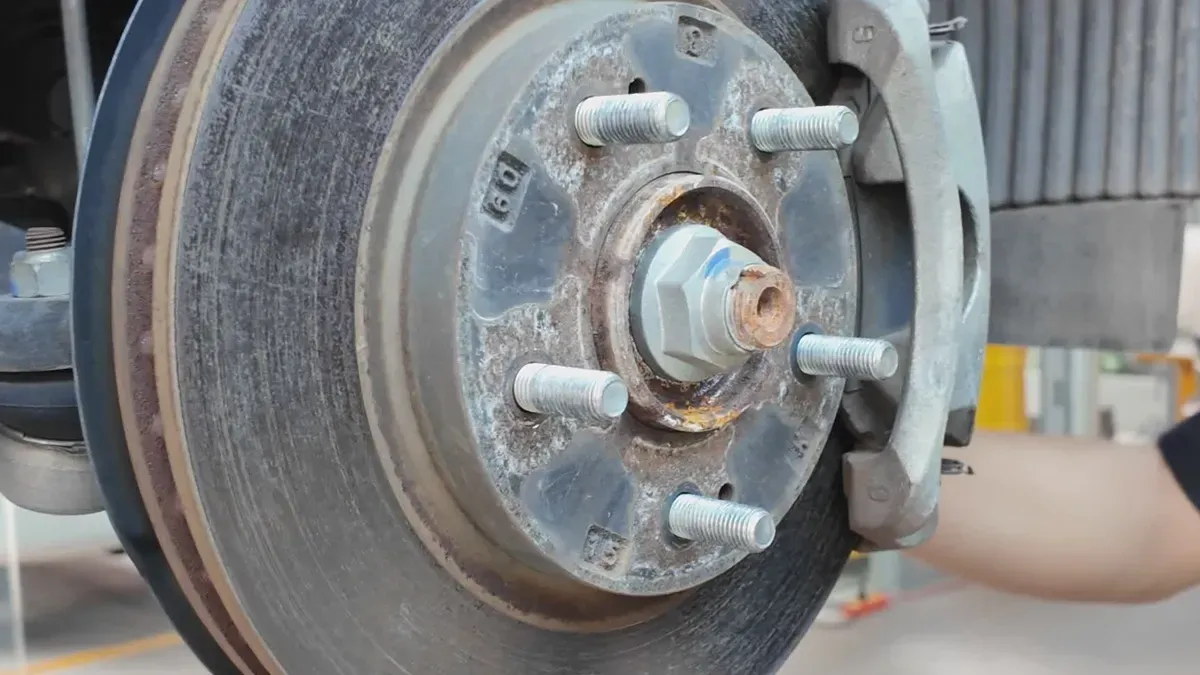
Brake caliper guide pin grease is very important for car care. This special grease helps the brake caliper move easily on its pins. When you use good quality grease, it improves how well the brakes work and stops problems like brake drag. Research shows that more than 20% of car accidents happen because of brake failures. These failures often happen because slide pins are not taken care of. Keeping these parts clean and greased makes sure the brake pads press evenly. This leads to safer and better braking.
Key Takeaways
Using good brake caliper grease helps brakes work better and keeps you safe. It makes calipers move smoothly.
Putting on the right grease often stops brake pads from wearing out unevenly. This helps them last longer and work better.
Pick silicone-based grease. It handles heat well and works with rubber parts. Stay away from petroleum-based grease because it can harm parts.
Check and put on more grease every 30,000-40,000 miles or every 2-3 years. This keeps brakes working well and stops expensive repairs.
Using the right methods, like cleaning parts and spreading grease evenly, is very important for good brake care.
What Is Brake Caliper Grease?
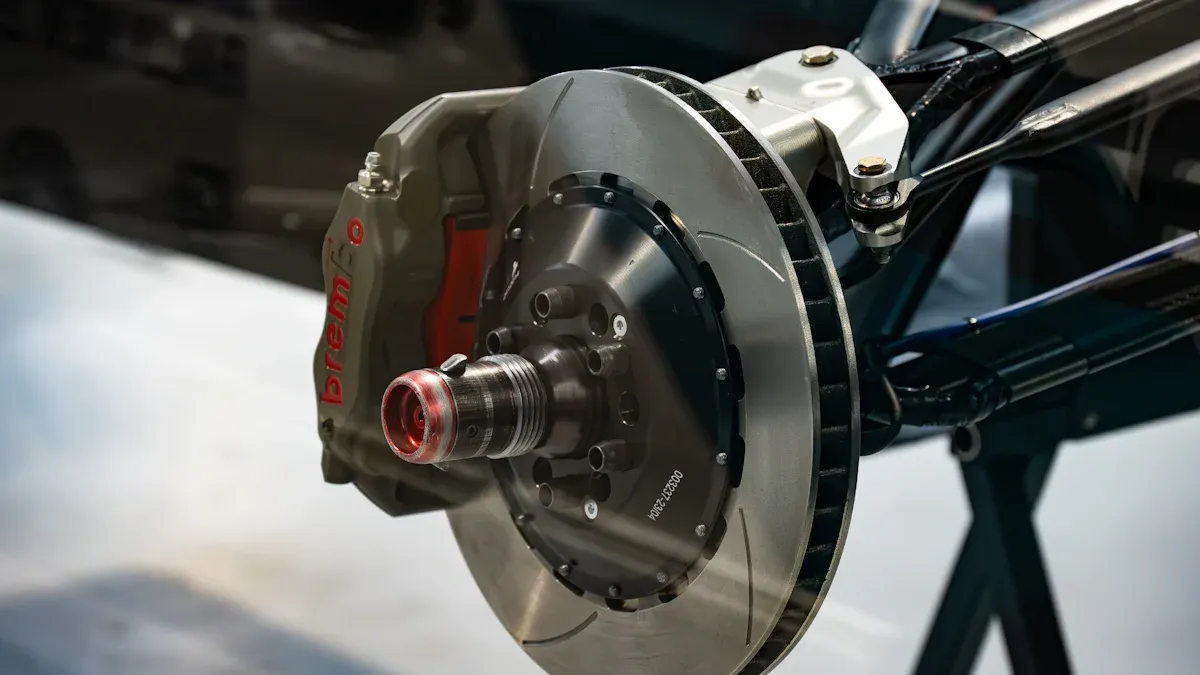
Brake caliper grease is a special oil. It helps your car’s brakes work better. This grease has different parts that help it do its job well.
Composition and Function
Brake caliper grease is made from both man-made and natural stuff. These things make the grease strong against heat and good at oiling. Here are some important parts:
Silicone: This part doesn’t change with chemicals. It stays thick in hot or cold weather. It helps the grease handle heat.
Ceramic particles: These tiny bits make the grease stable in heat. They also help it carry heavy loads, which is good for strong brakes.
The main jobs of brake caliper grease are:
Lubrication: It makes sure the moving parts in brakes slide easily.
Rust Prevention: The grease stops metal parts from getting rusty.
Vibration Dampening: It cuts down noise and shaking when braking, making it smoother.
Compatibility: The grease is safe for rubber parts, so they don’t break down.
Role in Brake Systems
Brake caliper grease is key to keeping brakes working well. It helps calipers move smoothly, so brake pads wear evenly. This even wear stops loud squeaks from dry metal touching. Also, the grease keeps important parts from rusting, making brakes last longer and work better.
Without good oiling, you might have problems like:
More brake noise, like squeaks, because of more rubbing.
Faster wear on brake parts, making them not last long.
Worse braking, meaning longer stops and safety risks.
Caliper parts might stick from rust, causing brake failure.
Using the right brake caliper grease is very important for good brakes and safety. Regular checks can help stop these issues and keep your car’s brakes working well.
Why Use the Right Brake Caliper Grease?
Using the right brake caliper grease is very important. It helps your car’s brakes work well. It stops uneven wear and keeps things running smoothly. Here’s why you should care about the grease you use.
Preventing Uneven Wear
Good grease on brake caliper guide pins is key. It keeps pressure even on brake pads. The right grease lets the caliper move easily. This makes both brake pads push the same on the rotor. If caliper slides are dry or rusty, they can stick. This sticking makes one pad work harder, causing uneven wear.
Here are some things to remember:
Even Pressure: Good grease makes sure both pads press evenly on the rotor.
Reduced Wear: Regular greasing keeps things smooth. This is important for the brake pad and rotor to touch well.
Longer Lifespan: Using the right grease helps brake parts last longer by stopping early wear.
Ensuring Smooth Operation
The right grease also makes brakes work smoother. Wrong grease can cause noise and calipers to stick. For example, copper grease can hurt hydraulic seals. It makes them swell and crack. Heat makes this worse, leading to rust and problems with car control. Use ceramic or silicone grease for better results.
Think about these good things from using the right grease:
Noise Reduction: Good grease cuts down noise and shaking when braking.
Enhanced Performance: Smooth caliper movement is needed for good braking.
Safety: Wrong grease can cause brake drag. This makes stopping harder and less safe.
Types of Brake Caliper Grease
You have different choices for brake caliper grease. Each type has special features that can change how your car brakes. Here are the main types of brake caliper grease you should know about:
Silicone-Based Grease
Silicone-based grease is a favorite for many car owners. It works well in both hot and cold weather. This grease stays strong and does not break down easily. It also gives great lubrication and stops rust.
Tip: Silicone grease works well with most rubber parts. This helps keep seals and gaskets safe.
Petroleum-Based Grease
Petroleum-based grease is another common choice. It usually provides good lubrication and is cheap. But, it might not work as well in very high or low temperatures compared to silicone grease. This type can also harm some rubber materials, which may cause seals to wear out over time.
Grease Type | Chemical Compatibility | |
|---|---|---|
Silicone-Based | -40 to 200 | Works with most plastics and EPDMs |
Petroleum-Based | -20 to 120 | Not safe for some rubber types |
Premium Formulas
Premium formulas mix the best parts of silicone and petroleum greases. These special lubricants are made for high-performance use. They give great lubrication and work well with rubber parts. This is very important in modern brake systems, where reliability in extreme temperatures matters.
Note: Always check what the manufacturer says for the best grease for your brake caliper type.
Using the right brake caliper grease can really improve your car’s braking. Regular checks and proper use will help your brakes work smoothly and safely.
Choosing the Right Brake Caliper Grease
Picking the right brake caliper grease is very important for your car’s brakes. Here are some important things to think about when choosing the best grease for you.
Key Factors to Consider
Temperature Range: Make sure the grease can handle hot and cold temperatures. Silicone-based greases usually work better in both high and low heat.
Lubrication Properties: Look for greases that give great lubrication. This helps lower friction and wear on brake parts.
Environmental Resistance: Choose grease that can fight moisture and dirt. This helps stop rust and corrosion in your brake system.
Tip: Always check what the manufacturer says for your brake system. This makes sure you use the best grease.
Compatibility with Components
Compatibility is very important when picking brake caliper grease. Using the wrong type can cause big problems. For example, using the wrong lubricants on rubber parts can cause contamination. This can lower braking performance and create urgent service issues.
Only use brake lubricants that work well with your brake parts. Some lubricants might not be safe for rubber and plastic, which can cause risks.
You can check compatibility by looking at the material safety data sheets (MSDS) of the grease. This will help you see how it interacts with brake system materials.
A synthetic grease from Bendix says it is safe for all materials, including EPDM and nitrile. It follows a JIS standard for rubber compatibility.
Stay away from petroleum-based greases on rubber parts because they can cause swelling.
By thinking about these factors, you can choose the right brake caliper grease. This choice will help keep your braking system working smoothly and safely.
Application Techniques and Maintenance
Proper Application Methods
Applying brake caliper grease the right way is very important. Follow these steps to do it correctly:
Raise the Vehicle: Use a jack to lift your car. Make sure to use jack stands for safety.
Remove the Caliper: Take off the caliper from the brake system. This lets you reach the parts that need grease.
Clean the Components: Use a wire brush and cleaner. This will remove old grease and dirt completely.
Inspect the Parts: Look for wear or damage on slide pins and rubber boots before adding new grease.
Apply the Grease: Put a thin, even layer of grease on these areas:
Caliper Slide Pins: Clean and add a light coat of grease on the pin shaft.
Brake Pad Contact Points: Grease the metal “ears” on the brake pads for smooth movement.
Hardware Clips: Apply grease on the bracket and clip surfaces for proper installation.
Back of Brake Pads: Use a thin layer of grease on the back of the brake pad shim to reduce squeaking.
Reassemble the Caliper: Put everything back together tightly after greasing.
Bleed the Brakes: This step is important to remove air in the brake lines for the best performance.
Maintenance Tips
Regularly checking your brake caliper grease is very important. Here are some tips to keep your brakes working well:
Inspect Caliper Movement: Check during every brake service. Look for signs of sticking or uneven wear.
Reapply Grease: Do this every 2-3 years or every 30,000-40,000 miles under normal driving. Do it more often in tough conditions, like once a year in rainy or snowy areas.
Watch for Warning Signs: Look for uneven brake pad wear, brake drag, shaking, noise, or weak stopping power. These mean that grease needs to be added again.
By following these application techniques and maintenance tips, you can make sure your brake caliper works smoothly and safely.
In conclusion, using good brake caliper guide pin grease is very important for your car’s safety and how well it works. Keeping everything lubricated stops noise, sticking, and uneven wear on the pads. It helps caliper parts move easily, which leads to better braking. Checking and taking care of your brake system often can help you avoid expensive repairs and improve your driving. Make sure to check your brakes and use the right grease to keep them working well.
FAQ
What happens if you don’t use brake caliper grease?
If you don’t use brake caliper grease, your brakes might squeak. They can also wear out unevenly. This can make braking worse and create safety problems. Regular greasing helps everything work smoothly and makes brake parts last longer.
Can you use any grease for brake calipers?
No, you can’t use just any grease. You need grease made for brake calipers. It should handle high heat and work well with rubber parts. Using the wrong grease can hurt parts and make brakes less effective.
How often should you apply brake caliper grease?
You should apply brake caliper grease every 30,000-40,000 miles or every 2-3 years. If you drive in tough conditions, like snow or rain, think about applying it every year. Regular checks help avoid problems and keep brakes working well.
Is silicone-based grease better than petroleum-based grease?
Silicone-based grease works better in extreme temperatures and is safe for rubber parts. Petroleum-based grease can damage rubber and doesn’t handle heat as well. Pick the right one based on your car’s needs and what the manufacturer says.
Can brake caliper grease reduce noise?
Yes, brake caliper grease can help reduce noise. It lubricates moving parts, stopping metal from rubbing together and squeaking. Applying it correctly makes braking quieter and smoother, improving your driving experience.
See Also
Boosting Automotive Dependability Using FAKKT-GC874K Synthetic Grease
Innovative FAKKT Grease Options for Today’s Automotive Issues
Exploring Grease Colloidal Stability And Its Performance Effects
FAKKT-UB 45001: Setting The Benchmark For Tribological Excellence
Key Factors That Define Exceptional High-Performance Industrial Grease