


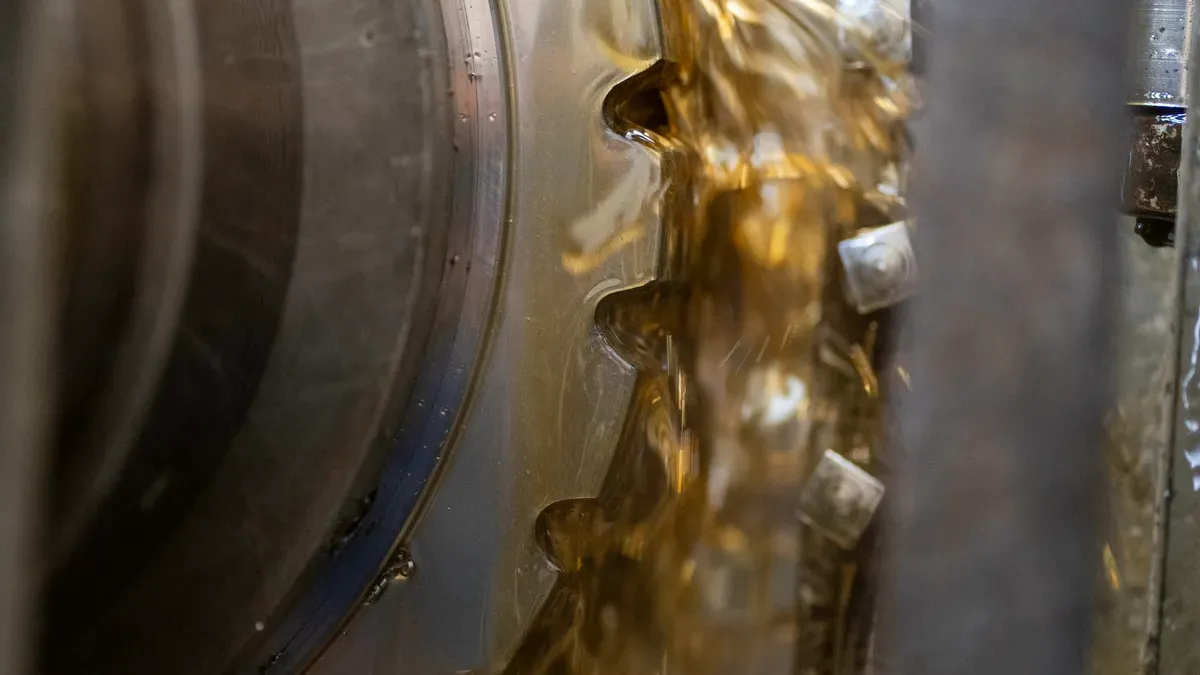
Low-temperature grease is very important for machines in cold places. In 2026, more industries will need special lubricants because of tough weather. The worldwide market for synthetic low-temperature grease is expected to hit USD 414.68 million. This shows how important it is in many areas. This type of grease helps machines work better. It also keeps parts safe from damage in cold conditions.
Key Takeaways
Low-temperature grease helps machines run well in cold places. It stays liquid and stops wear and rust.
Important parts like base oil, thickener, and additives keep grease working in very low temperatures, from -80°C to 204°C.
Industries such as automotive, aerospace, and machinery need low-temperature grease to work well in freezing weather.
Using the right low-temperature grease cuts maintenance costs, makes equipment last longer, and boosts efficiency in cold areas.
Picking grease with low-viscosity synthetic oils and good additives gives the best performance and protection in tough weather.
Low-Temperature Grease Properties

Viscosity and Composition
Viscosity is very important for low-temperature grease. When it gets colder, low-temperature greases become thicker. You can see this change around the pour point of the base oil. Regular lubricating greases do not change as much. The effective viscosity of low-temperature grease depends on the viscosity index of the base oil. This helps it work better in very cold weather.
Low-temperature grease usually has these parts:
Base oil: 75-98% of the mix, which greatly affects how it works.
Thickener: 2-20%, which turns liquid base oil into grease. It also gives it stickiness and helps it resist being washed away.
Additives: 0-10%, which improve stability and help prevent wear.
These parts work together to keep the grease working well, even in extreme cold.
Temperature Range and Performance
Low-temperature greases are made to work well in a certain temperature range. For example, some can work at -80°C and up to 204°C. This wide range is important for tough environments.
Product Name | Low Temperature (°C) | High Temperature (°C) |
|---|---|---|
-80 | 204 |
The performance of low-temperature grease gets better with synthetic fluids and additives. These additives lower the pour point of the grease. They also help it flow better when it’s cold and stop it from crystallizing. This keeps the grease fluid and working well, even in the coldest weather.
In cars, a low pour point is very important. It helps engine oil flow fast during cold starts. This prevents wear and damage to engine parts. The right low-temperature grease can really help machines last longer in cold places.
Overall, knowing about low-temperature grease helps you pick the best product for your needs. This ensures good lubrication and protection for your equipment.
Low-Temperature Grease Applications
Automotive Industry
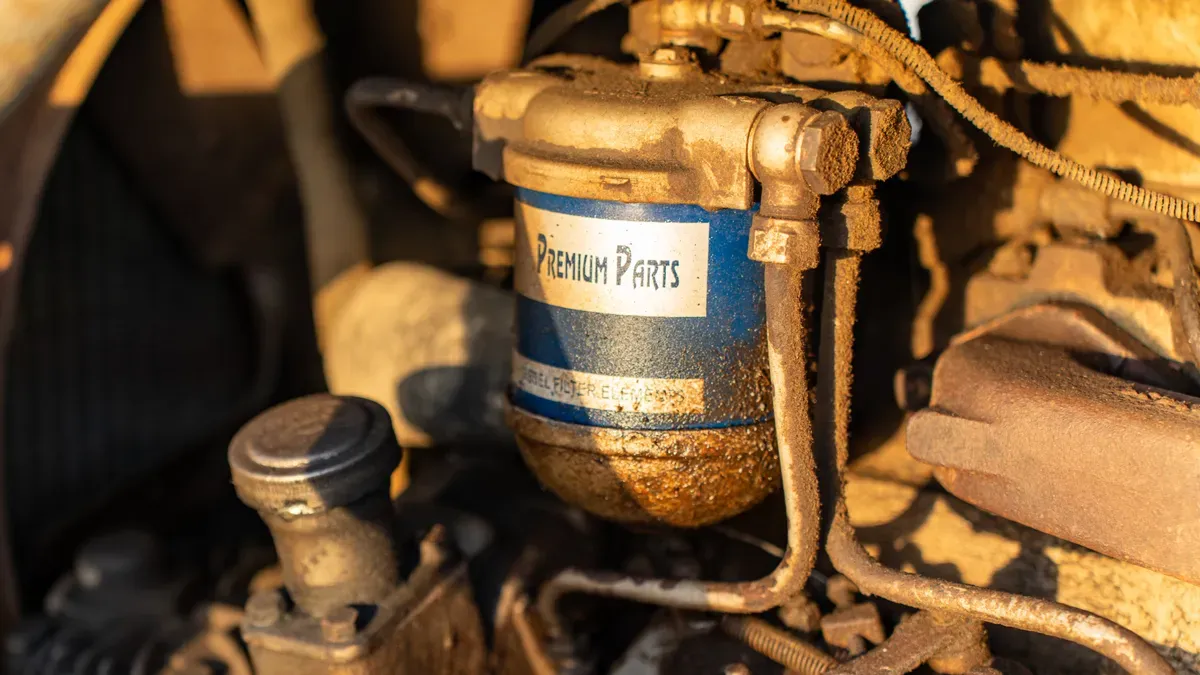
In the automotive industry, low-temperature grease is very important. It helps machines work well in cold weather. You can find it in parts that need good lubrication when it’s chilly. Some key parts that use low-temperature grease are:
Precision mechanical parts like planetary roller screws
Electric vehicle systems, especially for battery cooling
Precision actuators in cold areas
Low-temperature grease keeps things running smoothly. It also protects against wear and rust. It makes lubrication last longer, which means less maintenance and less downtime. Using low-viscosity synthetic oils and aluminum- or calcium-based greases helps the lubricant work well in very cold temperatures. Lithium-based greases are flexible, making them good for things like wheel bearings.
Criteria | Description |
|---|---|
Viscosity Requirements | Important for proper lubrication in cold weather, as viscosity affects how fluid it is. |
Operating Temperatures | Grease must work well in the specific low-temperature range for cars. |
Equipment Compatibility | The grease should work with the materials in automotive systems. |
Base Oil and Thickener | These parts are key for keeping lubrication and consistency. |
Fluidity Maintenance | It must stay fluid and reduce friction in cold weather for good operation. |
Cold Climate Performance | Grease must handle the needs of car parts in cold places. |
Aerospace Sector
In the aerospace sector, low-temperature grease is key for keeping aircraft systems reliable. It makes sure lubricants stay fluid and create protective layers in extreme cold. This is very important for parts like landing gear and actuators, which need to work well in temperatures below -50°C.
Low-temperature greases help pilots keep control and ensure planes are safe during flights. But there are challenges. Low-temperature grease can get thick or act like a solid in very cold areas. This can cause bad lubrication and possible equipment failure.
Key points for aerospace use include:
The grease gets thicker as temperatures drop, which can make it act like a solid.
A lubricant’s viscosity index shows how much viscosity changes with temperature. A higher index means better performance in different temperatures.
Greases that work well in low temperatures may not do well in high temperatures, so you might need different grease for warmer weather.
Industrial Machinery
Low-temperature grease is very important for many types of industrial machines that work in cold places. You can find it in fields like aerospace and defense, where aircraft and military gear need to work well in extreme cold. Other uses include:
Arctic exploration and resource extraction, where drilling tools and pipelines work in freezing temperatures.
Renewable energy systems, like wind turbine controls that work in northern areas during winter.
Cold storage and refrigeration, where automated systems and robots need lubrication that stays thick in cold weather.
Using the wrong grease in winter can make it stiff, leading to poor performance and possible damage. Low-temperature grease stays fluid even in freezing weather, ensuring smooth operation. It also protects against moisture and rust.
Cold weather can also affect the flow and performance of hydraulic fluids, brake fluids, engine oil, and grease. We suggest using winter-grade products for the best equipment performance.
Overall, low-temperature grease is vital for keeping machines efficient and reliable in cold environments. Its special properties make sure equipment runs smoothly, even in tough conditions.
Benefits of Industrial Lubricating Grease
Performance and Longevity
Using industrial lubricating grease helps machines work better and last longer, especially in cold places. You will see many benefits when you pick the right grease for your machines:
Lower viscosity base oils help the grease flow easily in cold weather. This is very important for keeping things lubricated when it’s chilly.
The kind and amount of thickener change how stiff and sticky the grease is. These things affect how well it works when it gets cold.
Cold weather can make grease stiffer. This can make machines need more power to work. If they don’t get enough grease, they might break down.
By choosing greases made with low-viscosity synthetic base oils, you can lower friction and wear on machines. This helps avoid not having enough lubrication and makes sure there is a good layer of grease, especially in cold weather. Picking the right grease is very important to prevent early wear on bearings, especially when starting torque matters.
Cost-Effectiveness
Buying industrial lubricating grease can save you a lot of money. Using special polymers instead of regular bright stock in greases can cut base oil costs by up to 22%. This happens because these new polymers improve quality and performance, allowing for less use and better production efficiency.
Also, grease lubrication is better for machines that work in tough conditions. It keeps lubrication in place and protects against dirt getting into important parts. This protection reduces wear and tear on machines, which means less maintenance and lower costs to run them.
Low-temperature grease is very important for keeping machines running smoothly in cold places. It has special features like great fluidity and protection against rust. This makes it essential for industries like cars, airplanes, and factories. With new technology in lubricants, you can look forward to even better performance. This includes advanced systems that use tiny particles and mixed lubrication. The market for industrial grease is expected to grow a lot. This is because there is more demand in areas like renewable energy and Arctic exploration. By picking the right grease, you make sure machines work well and are reliable, even in tough conditions.
FAQ
What is low-temperature grease?
Low-temperature grease is a special type of lubricant. It works well in cold places. It stays fluid and protects machines from wear and rust. This helps machines run reliably, even in very cold temperatures.
How does low-temperature grease differ from regular grease?
Low-temperature grease has a lower pour point. It flows better in cold weather. It uses synthetic oils and special additives to work better. Regular grease can get thick and not work well in low temperatures.
Where can I use low-temperature grease?
You can use low-temperature grease in many places. This includes car systems, airplane parts, and industrial machines. It is great for parts that work in cold areas, like electric vehicle systems and wind turbine controls.
What are the benefits of using low-temperature grease?
Using low-temperature grease helps machines work better and last longer. It cuts down friction, stops wear, and protects against rust. This means less maintenance and lower costs, especially in cold weather.
How do I choose the right low-temperature grease?
To pick the right low-temperature grease, think about the temperature range, material compatibility, and viscosity needs. Look for greases made for your specific use to ensure the best performance in cold conditions.
See Also
Exploring Grease Colloidal Stability And Its Performance Effects
Key Factors That Define Exceptional Industrial Grease Performance
Innovative FAKKT Grease Solutions Addressing Today’s Automotive Issues
Boosting Automotive Reliability Using FAKKT-GC874K Synthetic Grease
FAKKT-UB 45001: Setting Tribological Standards For Performance