


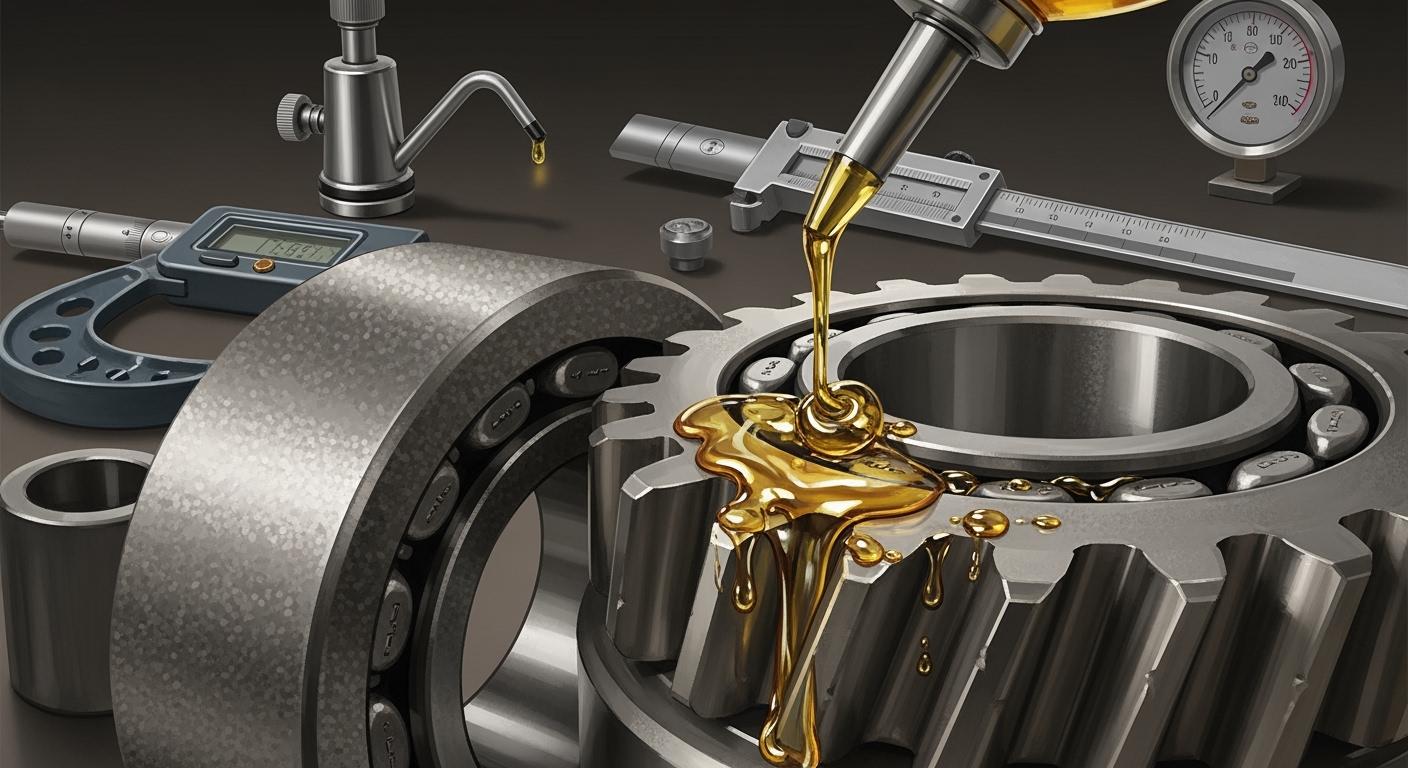
In high-performance machinery, the longevity and efficiency of metal-based sintered bearings and gears hinge entirely on two critical processes: impregnation and strategic lubrication.
Sintered components inherently possess a porous microscopic structure. Left untreated, these pores compromise performance; however, when engineered correctly, they become a built-in reservoir for lubricants. By mastering oil impregnation and lubrication dynamics, manufacturers can drastically minimize wear, eliminate metal-to-metal friction, prevent corrosion, and maximize the operational lifespan of their components across diverse applications.
Key Takeaways
Self-Lubricating Efficiency: Impregnation utilizes the porous nature of sintered metals to store oil, ensuring continuous self-lubrication.
Material-Driven Longevity: Selecting the optimal base material (e.g., porous iron, bronze, or specialized alloys) directly influences component durability.
Predictive Maintenance: Regular oil level monitoring and proactive upkeep prevent premature wear and catastrophic system failures.
Tailored Lubricant Selection: Choosing between specialized oils and high-viscosity greases must be dictated by the specific demands of your application.
Adaptability is Key: Adjusting lubrication strategies based on environmental and operational shifts optimizes the performance of sintered gears under heavy loads.
The Science of Impregnation in Sintered Bearings
Definition and Core Purpose
For metal-based sintered bearings, impregnation is not an afterthought—it is a critical manufacturing phase. This process forces high-grade lubricating oil deep into the microscopic pores of the sintered bushing using vacuum or high-pressure systems. By fully saturating the component, the bearing gains a lifelong ability to self-lubricate during operation.
Strategic Benefit | Operational Impact |
Enhanced Lubrication | Minimizes friction by creating a continuous hydrodynamic oil film via the porous matrix. |
Continuous Oil Delivery | Capitalizes on capillary action to release oil during motion and reabsorb it during rest. |
Superior Wear Resistance | Fortifies the bearing structure, allowing it to withstand severe mechanical stress and high loads. |
Maintenance-Free Operation | Drastically reduces downtime and scheduled maintenance, making it ideal for high-uptime industrial environments. |
Extended Service Life | Virtually eliminates direct metal-to-metal contact, preventing premature component fatigue. |
Advanced Impregnation Materials
The choice of porous base materials dictates how effectively a bearing retains and utilizes its lubricant. While traditional porous iron and bronze remain industry standards, modern engineering leverages polymer and resin composites for specialized environments.
Porous Iron: Celebrated for high mechanical strength; widely utilized in heavy-duty applications like engine camshaft bushings and mill bushings.
Porous Bronze: Offers exceptional low-friction properties and corrosion resistance; perfect for precision applications like electric fans and high-end turntables.
Step-by-Step Vacuum Impregnation
Achieving deep, uniform oil saturation requires a rigorous, controlled sequence:
Vacuum Extraction: The sintered part is placed in a vacuum chamber to evacuate air trapped within the micro-pores, clearing the path for the lubricant.
Submersion: Lubricating oil is introduced into the chamber, submerging the components completely.
Pressure Induration: The vacuum is released (or positive pressure is applied), forcing the oil deep into the now-empty microscopic voids.
Retention & Draining: Parts soak for a designated period to ensure maximum saturation before excess surface oil is wiped clean.
Curing & Quality Control: The part is stabilized, sealing the oil within the matrix until thermal and mechanical loads trigger its release.
Realized Benefits
By replacing internal air pockets with specialized lubricants, the component undergoes a functional transformation. Beyond friction reduction, the internal oil barrier acts as a shield against moisture and oxidative elements, providing robust, long-term rust prevention from the inside out.
Advanced Lubrication for Sintered Gears
Sintered gears operate under dynamic mechanical forces where tooth-on-tooth friction can rapidly degrade performance. Proper lubrication creates a microscopic cushion that absorbs shock loads, dissipates thermal buildup, and maintains smooth kinematic transmission.
Selecting the Right Lubricant: Oil vs. Grease
Oils: Known for low viscosity and high fluidity. They flow effortlessly through the porous network of sintered metals, making them perfect for high-speed, continuous-cycling applications.
Greases: Thickened formulations engineered for localized retention. Grease provides a heavy protective barrier, ideal for oscillating movements or environments where oil migration must be prevented.
Industrial Application Methods
Dip Coating: Submerging the gear in a temperature-controlled lubricant bath. Ideal for small-to-medium batch production requiring total coverage.
Spraying: Automating the application of a fine lubricant mist over targeted surface areas. Perfect for high-volume automated assembly lines.
Circulating Systems: Constantly moving oil through the machinery. This is the gold standard for high-speed, heavy-load applications where heat dissipation is critical.
Pro-Tip for Engineers: High-load, high-temperature environments alter lubricant viscosity. Always select a lubricant with a Viscosity Index (VI) tailored to your peak operating conditions to avoid film breakdown.
Navigating Operational Challenges
Sintered gears face unique challenges under extreme loads. Because the material is porous, its structural load-bearing capacity must be carefully calculated to prevent localized stress concentrations. Furthermore, fluctuating temperatures significantly impact lubricant behavior: high heat can thin the oil excessively, leading to leakage, while extreme cold can increase viscosity to the point of brittleness. Proactive monitoring and selecting advanced synthetic lubricants are vital to mitigating these risks.
Best Practices for Porous Metallic Bearings
Strategic Material Selection
To optimize the load-velocity (PV$) factor of your assembly, choose your alloy carefully:
Standard Bronze (90% Copper / 10% Tin): The industry benchmark for wear resistance and reliable corrosion defense.
Leaded Bronze (14%–16% Lead): Reduced tin content paired with lead additives significantly lowers the friction coefficient for high-speed applications.
Copper-Iron Compositions: A high-strength hybrid engineered to endure heavy, punishing shock loads.
Aluminum Alloys: Extremely lightweight with superior thermal conductivity, effectively lowering operating temperatures and extending oil life.
Field-Proven Re-Oiling and Maintenance Techniques
When maintaining or recharging porous bearings in the field, standard surface oiling is insufficient. Utilize these proven techniques:
Thermal Impregnation: Submerge bearings in a heated oil bath (80°C – 120°C) for approximately one hour. The heat expands the air within the pores, allowing it to escape and be replaced by the oil as it cools.
Vacuum Re-Oiling: Dip depleted bearings in high-quality mineral oil (such as SAE 30) at 60°C – 71°C for 10–15 minutes within a cyclic vacuum chamber to ensure deep re-saturation.
Capillary Top-Offs: Apply oil directly to the outer diameter or non-working faces of the bearing; the internal capillary network will naturally draw the lubricant to the high-friction zones.
The Future of Self-Lubricating Components
As industrial landscapes evolve, the reliance on high-performance, maintenance-free sintered bearings and gears is skyrocketing. The rise of Electric Vehicles (EVs), robotics, and renewable energy systems demands components that can perform flawlessly under extreme conditions without human intervention.
By blending advanced oil impregnation techniques with emerging smart technologies—such as IoT-driven predictive maintenance and next-generation synthetic nano-lubricants—manufacturers can unlock unprecedented efficiency, reduce operational downtime, and secure a competitive edge in tomorrow’s market.
Tip: Always think about what your application needs when choosing lubrication methods and materials.
FAQ
What are sintered bearings?
Sintered bearings are made from powdered metal. Manufacturers press and heat the powder to form a solid part. These bearings have small holes that let oil soak in, allowing them to self-lubricate while they work.
How does oil impregnation benefit sintered materials?
Oil impregnation fills the holes in sintered materials with lubricant. This process improves lubrication, lowers friction, and increases wear resistance. It also reduces maintenance needs, helping parts last longer.
What types of lubricants are best for sintered gears?
You can use oils or greases for sintered gears. Oils flow easily and give great lubrication. Greases are thicker and stay in place longer, making them good for certain uses.
How often should I check lubrication levels?
Check lubrication levels regularly based on your use. For high-load or high-speed tasks, check levels more often. Keeping proper lubrication helps parts work well and last longer.
Can I use any oil for impregnation?
Not all oils work for impregnation. Use high-quality oils made for sintered materials, like FAKKT-DF202. These oils offer great lubrication, resist rust, and stay stable at different temperatures.
See Also
Exploring Grease Colloidal Stability and Its Performance Effects
Improving Vehicle Dependability with FAKKT-GC874K Synthetic Grease
FAKKT-UB 45001: Setting Tribological Standards for Peak Performance
FAKKT Grease Innovations Addressing Today’s Automotive Issues