


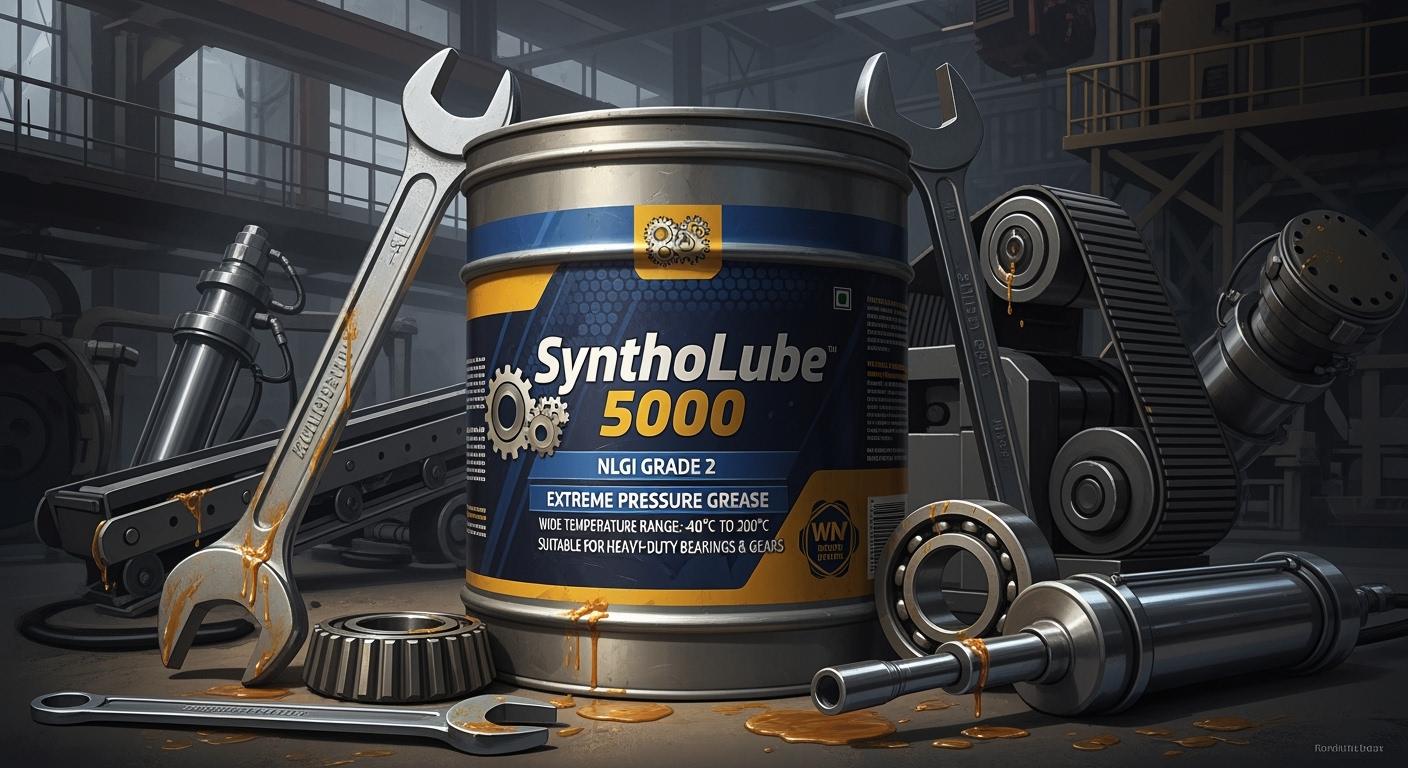
High-Performance Industrial Greasel are essential in various applications. These greases are designed to outperform standard greases. For instance, high-performance industrial greases can withstand elevated temperatures, which contributes to their longevity. In contrast, regular greases tend to degrade quickly under heat due to oxidation and a loss of viscosity. High-performance industrial greases utilize synthetic oils and specialized thickeners, providing them with durability and extended service life, even in challenging conditions.
Key Takeaways
High-performance industrial greases work better than standard greases. They can handle higher temperatures and last longer.
Viscosity is very important. Greases with lower viscosity flow better and are faster. Greases with higher viscosity can hold heavy loads but might be less efficient.
Picking greases with great shear stability helps keep machines running smoothly. This also reduces wear on the machines.
Using high-performance greases can lower maintenance costs and downtime a lot. This helps equipment last longer and work better.
Choosing the right grease can save money over time. It prevents failures and improves how machines perform overall.
Characteristics of High-Performance Greases
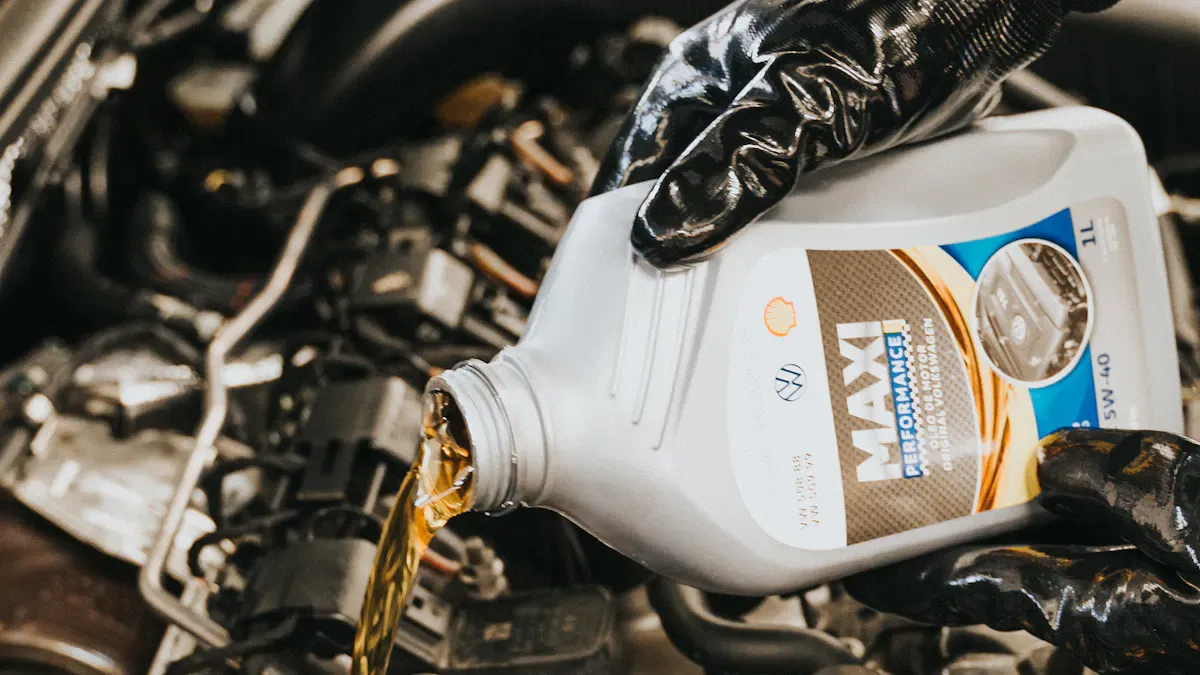
High-performance greases have special features that make them better than standard greases. Knowing these features helps you pick the right lubricant for your needs.
Viscosity and Importance
Viscosity is very important for high-performance industrial greases. It shows how easily a grease flows, which affects how well it lubricates machines. Here are some important points about viscosity:
Greases usually work well for speeds up to 500,000.
For speeds over this limit, you need special high-speed greases. Some can handle speeds up to 2 million.
Viscosity Range (cSt) | Application | Impact on Machinery Efficiency |
|---|---|---|
25 to 50 | Specialty greases for lower temperatures | Allows higher ball bearing speeds but may shorten grease life at high temperatures |
Up to 900 | Slow-speed, heavily loaded applications | Lubricates in boundary conditions but can reduce mobility and service life in ball bearings |
Lower viscosity greases (25 to 50 cSt) help with better oil flow and higher speeds. But, they might evaporate faster and have a shorter grease life. On the other hand, higher viscosity greases (up to 900 cSt) are good for heavy loads but can cause noisy operation and higher torque, which affects overall efficiency.
Temperature Resistance
Temperature resistance is another key feature of high-performance greases. These greases can handle higher temperatures than standard ones. For example, high-performance greases work well above 150°C (302°F), while standard greases usually work at lower temperatures.
Steel mill bearings can run at continuous temperatures up to 149°C (300°F).
Drying ovens for surface coatings work at about 204°C (400°F).
The original temperature limit for lithium soaps has increased from 110-125°C (230-257°F) to 150-175°C (302-347°F) by adding low molecular weight organic acids. This change helps high-performance greases keep their lubricating abilities even in extreme heat.
Using industrial grease that can’t handle high heat can cause several problems:
Thinning of the lubricating film, leading to more friction.
Mechanical wear because of no hydrodynamic lubricating film.
Increased noise from wear and friction.
Loss of efficiency, causing higher energy use.
Shear Stability
Shear stability is important for the life of high-performance greases, especially in tough jobs. It shows how well grease keeps its thickness under stress. Good shear stability stops thinning or thickening, which is key for good lubrication.
High-performance greases often have advanced thickener systems that help them resist mechanical breakdown.
Thickener breakdown is a common reason for grease failures, especially in tough conditions.
If you pick a grease with great shear stability, it will keep its thickness. This ensures reliable lubrication and less wear on machine parts.
Formulation of Industrial Greases
The way industrial greases are made includes important parts that affect how well they work. Knowing these parts helps you pick the right grease for your needs.
Base Oils
Base oils are the main part of any grease. They decide how the grease flows and how well it performs. Here’s a look at common base oil types:
Description | Performance Characteristics | |
|---|---|---|
Group I | Least refined, cost-effective | Basic performance, lower oxidation stability |
Group II | Better oxidation stability, higher purity | Improved performance over Group I |
Group III | Generally synthetic | Superior performance characteristics |
Group IV | Made from PAOs | Excellent thermal and oxidative stability, superior low-temperature properties |
Group V | Other synthetics (esters, PAGs) | Unique properties for specialized applications (e.g., extreme pressure, biodegradability) |
Synthetic base oils work better than mineral oils in heat resistance and oxidation stability. They can be made for specific needs, like high viscosity and better heat stability. On the other hand, mineral oils are cheaper but don’t perform well in extreme conditions.
Thickening Agents
Thickening agents give grease its shape and thickness. They help keep the grease thick under pressure. Here are some common thickening agents and their benefits:
Advantages | Common Applications | |
|---|---|---|
Calcium Sulfonate Complex | Outstanding water resistance, exceptional corrosion protection, high mechanical stability | Marine environments, mining, heavy industry |
Polyurea | Extremely long life, excellent oxidation resistance, high-temperature performance | Electric motors, sealed-for-life bearings |
Synthetic | Wide temperature range, high oxidation stability, long service intervals | Aerospace, high-speed machinery, extreme conditions |
Molybdenum Disulfide | Reduces wear, prevents galling, withstands crushing forces | Heavy construction equipment, off-road machinery |
Additives and Their Roles
Additives improve grease performance by adding extra protective features. Common additives include:
Extreme-Pressure (EP) and Anti-Wear Agents: Protect parts from damage during heavy loads.
Corrosion Inhibitors: Create a barrier on metal to stop rust and corrosion.
Antioxidants: Slow down oil oxidation, making the grease last longer.
These additives work together to make the grease stronger and more effective, ensuring reliable lubrication in many uses.
Performance Metrics for Grease
When you choose a high-performance grease, think about some important performance metrics. These metrics help you see how well a grease works in different situations.
Load Carrying Capacity
Load carrying capacity shows how much weight a grease can hold without breaking. You can check this using the Four-Ball Method. This method tests how well the grease prevents wear and handles heavy pressure. Here are some important test points:
Load-Wear Index (LWI): Shows how well it protects against wear with more weight.
Weld Load: Tells the highest weight before the grease fails.
Scar Diameter: Shows how much wear happens on the test balls.
Coefficient of Friction: Measures how well it lubricates.
To do the test, clean the test balls first. Load three fixed balls, add the grease sample, and put on a weight. After testing, check the wear scar diameter to see how it performed.
Wear Protection
Wear protection is very important for making machines last longer. You can check this with different tests. The table below lists some common tests and what they do:
Test Name | Purpose |
|---|---|
Fretting Wear Protection (ASTM D4170) | Tests how well grease protects against wear on a ball bearing. |
Anti-Wear Properties by Four-Ball (IP 239) | Measures load carrying, anti-friction, anti-wear properties, and pressure resistance. |
High-performance greases do well in these tests, making sure they protect against wear.
Oxidation Stability
Oxidation stability shows how well a grease stays strong over time. Better oxidation stability has many benefits:
Slowing down oxidation helps the grease last longer.
Longer drain intervals cut down maintenance costs and downtime.
Better protection for machines lowers repair and replacement costs.
Choosing a grease with great oxidation stability can save you money and make your equipment more reliable.
Applications of High-Performance Greases
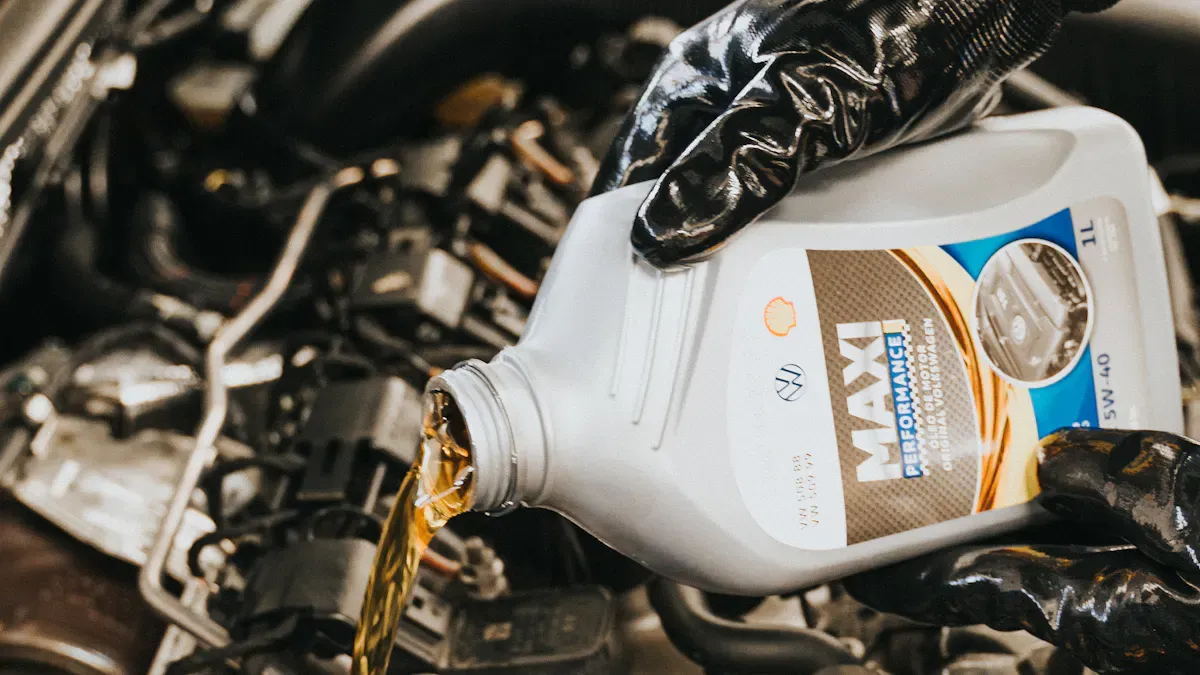
High-performance greases are very important in many industries. They help machines run smoothly and protect them from damage. Here are some main uses where these greases work well.
Industrial Machinery
In factories, high-performance greases are key for keeping machines reliable. You can find these greases in many types of machines, such as:
Bucket pins
Bushings
Cables
Cams
Chains
Chassis
Open gears
Slides & ways (slideways)
Using high-performance greases in heavy machines has big benefits. They can lower lubrication failures by 72%, increase machine life by 40%, and save $35,000 each year per machine. This leads to a return on investment (ROI) of 5-8 times through preventing failures, with a total ROI over 600% in three years.
Automotive Applications
High-performance greases are very important in cars. They give great protection against wear, dirt, and leaks. These greases work well in extreme temperatures and high pressure, which is important for keeping machines reliable. Choosing the right grease can greatly improve the life of car parts, lower maintenance costs, and increase overall efficiency.
You can use high-performance greases in many car parts, like:
Component Type | Recommended Grease Type |
|---|---|
Lithium Complex Grease | |
High-Temperature Industrial Machinery | Lithium Complex Grease |
Heavy-Duty EP Applications | Lithium Complex Grease |
Castrol Olista Longtime 3 EP | |
Clutch Cylinder | Special Purpose Grease |
Pedal Boxes | High-Temperature Lubricating Grease |
Gear Shifter | Fully Synthetic Lithium Grease |
U-Joint | Castrol’s Paste White RV |
Constant Velocity Joint | CV Joint Greases |
These greases work better than regular lithium-based ones by providing better moisture resistance, load capacity, thermal stability, and adhesion. This performance helps parts handle tough conditions, making them perfect for cars.
Specialty Applications
High-performance greases are also used in special areas, like aerospace and marine settings. These areas have unique needs that require specific grease features. Here are some important needs for specialty greases:
Requirement Type | Details |
|---|---|
Material Compatibility | Must work well with seals, gaskets, plastics, and metals to avoid damage. |
Military Specifications | Standards like MIL-PRF-23827 and MIL-PRF-81322 ensure steady performance in aerospace. |
Base Oil Types | Includes synthetic esters and PFPE, important for stability in extreme conditions. |
Thickener Types | Lithium Complex, Calcium Sulfonate, and Polyurea give specific performance traits. |
Application Requirements | Low outgassing, oxidation resistance, and long service life are key for aerospace greases. |
Performance Testing Standards | Tests like ASTM E595 for outgassing and ASTM D217 for consistency are needed for validation. |
In these tough environments, high-performance greases provide reliability and efficiency, making them essential for specialized uses.
Benefits of Using High-Performance Greases
Enhanced Equipment Longevity
Using high-performance greases helps your equipment last longer. These greases have special additives that make lubrication better. Here are some important benefits:
Wear Resistance: Greases like Almamoly HD Grease are great at resisting wear. They have a mix of moly and Almasol, which keeps machines running well under pressure.
Protection Against Extreme Conditions: Monocal GP Grease protects against heat, moisture, and heavy loads. Its thick base fluid and special additive Monolec® help keep machines stable.
Reduced Maintenance Frequency: High-performance greases mean you don’t have to fix things as often. This protection from wear is key to making equipment last longer.
Reduced Downtime
High-performance greases help cut down on downtime for your work. They meet and exceed OEM standards and can handle high temperatures, which means fewer interruptions. Think about these points:
Longer Service Intervals: Heavy-duty greases keep equipment safe from wear and extend how long you can use them. This lowers maintenance costs and reduces downtime.
Durability: For example, Lucas X-tra Heavy Duty Grease lasts four times longer than regular grease. This means less time spent on maintenance.
Superior Performance: Synthetic greases work well in extreme temperatures. Their longer life helps reduce how often you need maintenance and downtime.
Cost-Effectiveness
Switching to high-performance greases can save you a lot of money. For example, at Rompetrol Petromidia refinery, better lubrication saved 2.94 million Euros by avoiding production losses. Also, Mobil Oil saved $99,000 each year after improving their lubrication methods.
Investing in high-performance greases not only makes equipment more reliable but also helps lower overall costs, giving you an advantage over competitors.
Choosing the best high-performance industrial grease is very important for keeping your equipment working well. You need to think about different things, like how thick it is, how well it handles heat, and how stable it is under pressure. Using the right grease can help your equipment last longer and cut down on downtime.
Here are some important types of lubricants to think about:
Lubricant Type | Application Description |
|---|---|
High-temperature lubricants | For parts that get very hot, like ovens or presses |
Low-temperature lubricants | For cold places, like refrigeration or outdoor use |
Biodegradable lubricants | For areas with environmental rules, like marine or farms |
NSF-approved lubricants | For clean uses, like food processing |
Molybdenum disulphide grease | For high-pressure or shock-load situations |
By picking the right grease, you can avoid problems from cheap options that cause bad performance and higher maintenance costs. Focus on quality to keep your machines running smoothly and efficiently.
FAQ
What is high-performance grease?
High-performance grease is a special type of lubricant. It can handle tough conditions. It protects better against wear, oxidation, and temperature changes than regular greases.
How do I choose the right grease for my application?
Think about things like temperature range, load capacity, and environment. Match the grease’s features to your machine’s needs for the best performance.
Can I use high-performance grease in automotive applications?
Yes, high-performance grease is great for cars. It protects against wear and can handle high temperatures and pressures in vehicles.
How often should I replace grease in my machinery?
Change grease based on what the manufacturer says and how you use it. Regular maintenance checks help keep your machines running well.
What are the benefits of using high-performance grease?
Using high-performance grease makes your equipment last longer, cuts down on downtime, and boosts overall efficiency. It can save you money on repairs and maintenance over time.